24 Hours Hotline: +86 137-3541-1378
Email:[email protected]
24 Hours Hotline: +86 137-3541-1378
Email:[email protected]
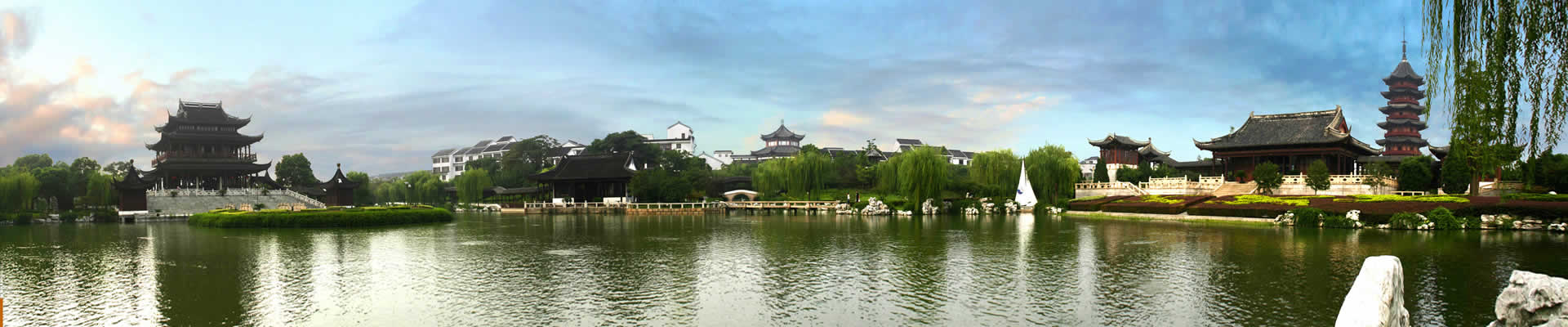
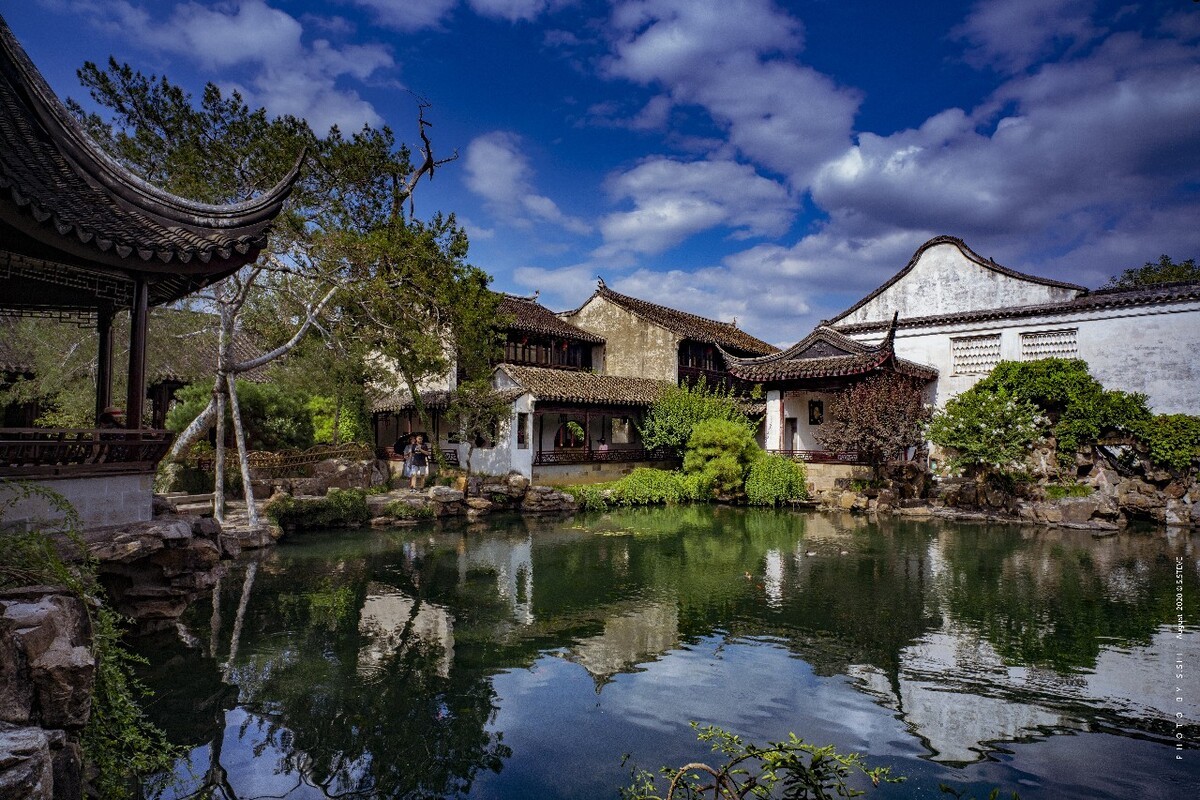
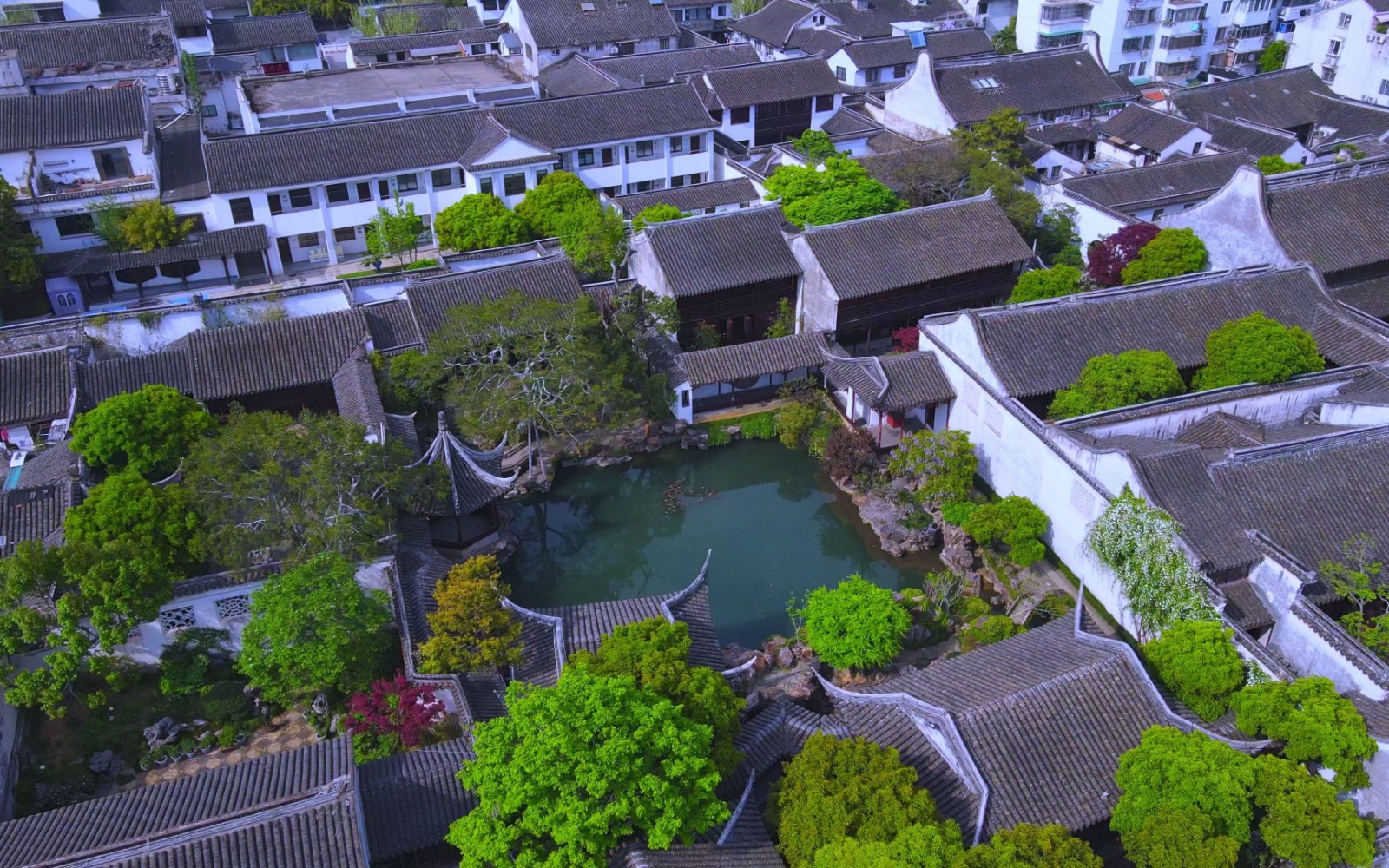
Nestled in the ancient alleyways of Suzhou’s Gusu District, the Master of the Nets Garden (also widely searched as Master of Nets Garden and Garden of the Master of the Nets) is universally acclaimed as the "smallest yet most perfect" masterpiece of Chinese classical garden art.
Unlike the sprawling Humble Administrator’s Garden or the rock-focused Lion Grove Garden, this 5,400-square-meter UNESCO World Heritage Site (inscribed in 1997) offers an intimate, unhurried experience that captures the very soul of traditional Chinese literati culture.
This comprehensive guide covers everything from its 800-year history and iconic attractions to the world-famous night garden experience, ensuring you make the most of your visit to this hidden gem of Suzhou.
 Suzhou and Zhouzhuang Water Town Tour from Shanghai by Car
 All-Inclusive Suzhou and Tongli Water Town Tour from Shanghai With First Class Bullet Train
History and Cultural Significance
1. Southern Song Origins
· Originally built between 1174 and 1189 during the Southern Song Dynasty as the private residence of Shi Zhengzhi, a high-ranking official and renowned scholar.
· Named "Wanjuan Hall" (Ten Thousand Volumes Hall) at that time, reflecting the owner’s love for literature and learning.
2. Qing Dynasty Reconstruction and the "Master of Nets" Name
· The garden fell into disrepair for centuries before being purchased and completely rebuilt in 1770 by Song Zongyuan, a retired Qing Dynasty official.
· Renamed "Wangshi Yuan" (Master of the Nets Garden), a metaphor for a fisherman living a simple, reclusive life away from the corruption and intrigues of imperial court politics.
· The name also pays homage to the original owner Shi Zhengzhi, who was known as the "Fisherman of the Wu River".
3. UNESCO Recognition and Global Influence
· Inscribed on the UNESCO World Heritage List in 1997, recognized for its "outstanding universal value" as a perfect embodiment of classical Chinese garden design principles.
· Its design has inspired countless gardens around the world, including the Chinese Scholar’s Garden in New York and the Dr. Sun Yat-Sen Classical Chinese Garden in Vancouver.
· The Dianchun Yi (Spring Dawn at the Peony Hall) was replicated as the "Ming Hall" in the Metropolitan Museum of Art in 1980, marking the first time a complete Chinese garden was exported to the West.
Key Attractions and Must-See Spots
The Master of the Nets Garden is divided into three distinct sections: the eastern residential area, the central garden (the heart of the estate), and the western auxiliary garden.
1. Eastern Residential Area
This area showcases the elegant lifestyle of wealthy Chinese scholars during the Qing Dynasty, with a strict symmetrical layout following traditional Chinese architectural norms.
* Zao Yao Gao Xiang" Brick Carving Gate
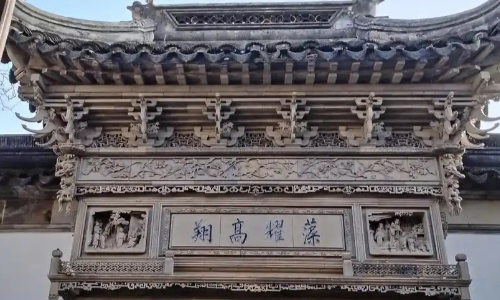
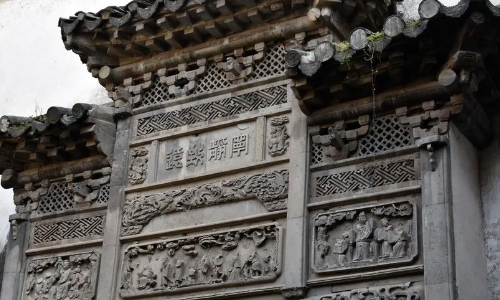
· Known as the "No. 1 Brick Carving Gate in Jiangnan", this 300-year-old gate is the most exquisite example of Suzhou brick carving art.
· Features intricate carvings of dragons, phoenixes, flowers, and historical figures, all symbolizing good fortune and scholarly success.
· The three characters "Zao Yao Gao Xiang" mean "brilliance shines and soars high", expressing the owner’s aspirations for his descendants.
* Entrance Hall
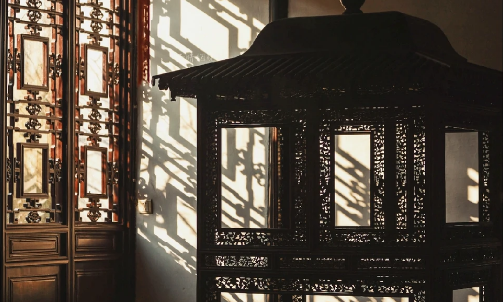
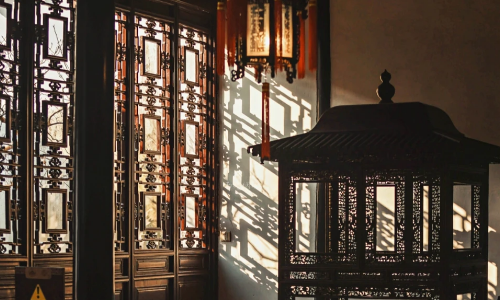
· The first building visitors encounter, featuring massive wooden doors with intricate brass knockers and carvings.
· Displays a stone tablet inscribed with the garden’s name in calligraphy by the famous Qing Dynasty scholar Qian Daxin.
* Main Hall
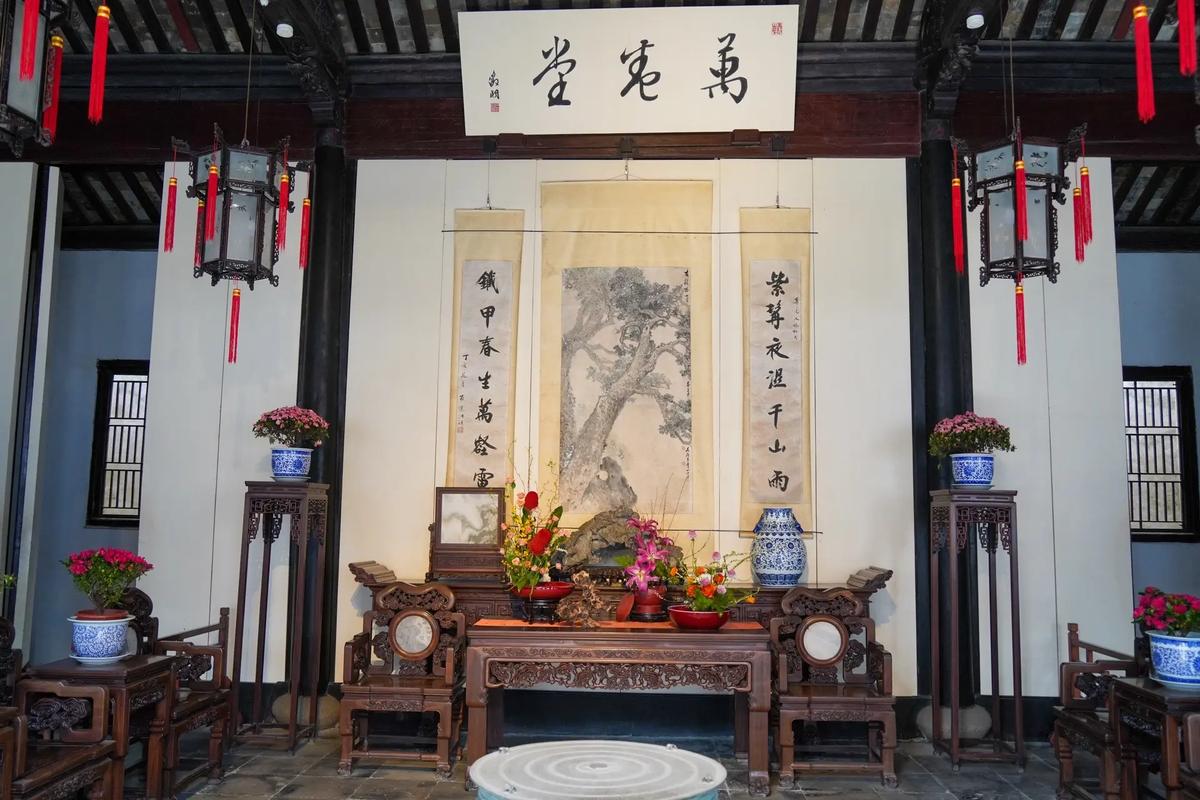
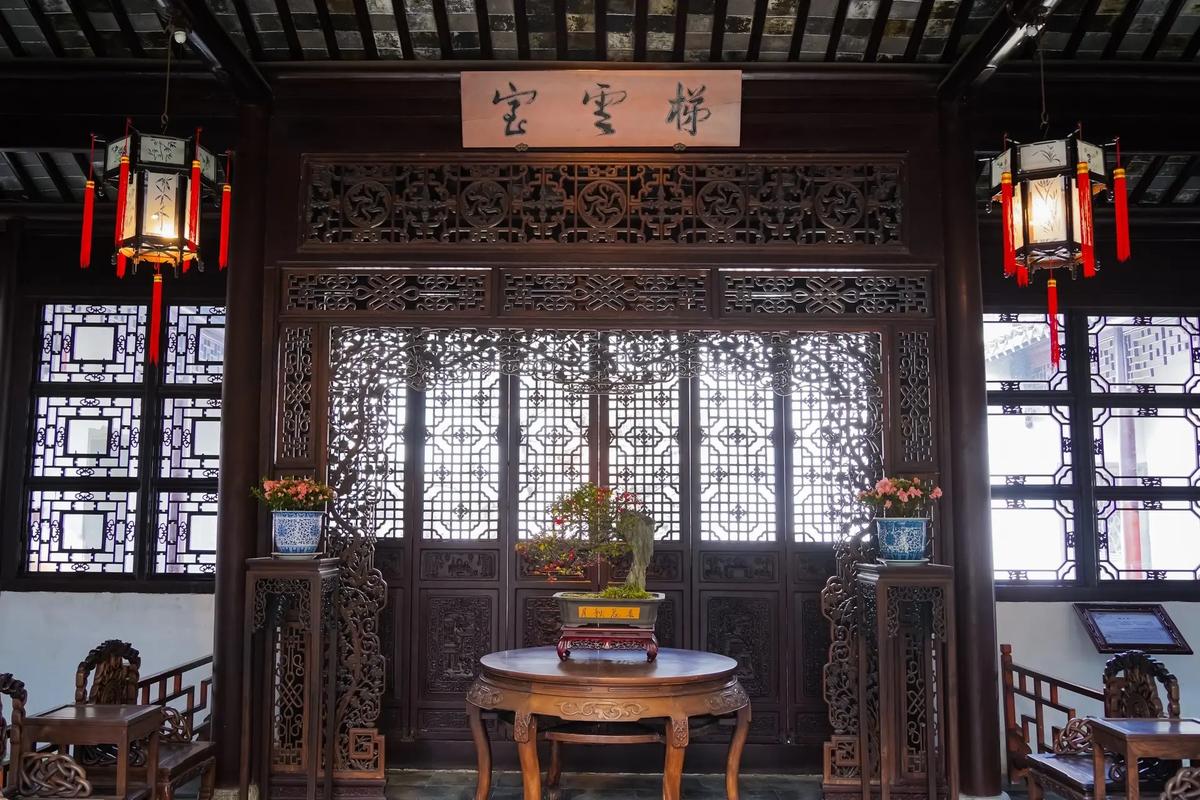
· The most important building in the residential complex, used for formal receptions and family ceremonies.
· Features exquisite wooden carvings on the beams and columns, and a collection of antique Ming and Qing furniture.
· The name "Wanjuan Hall" honors the original Southern Song owner’s library of ten thousand volumes.
* Inner Courtyard
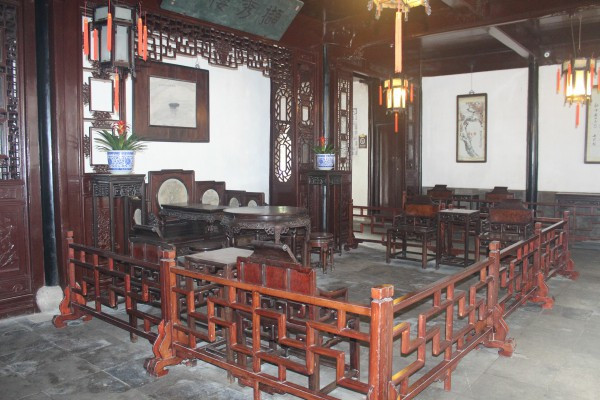
· A private living area for the female members of the family, separated from the public areas by a high wall.
· Decorated with delicate potted plants and small rockeries, creating a peaceful, intimate atmosphere.
· The best spot to overlook the entire central garden, offering panoramic views of Caixia Pond and the surrounding pavilions.
* Tiyun Room
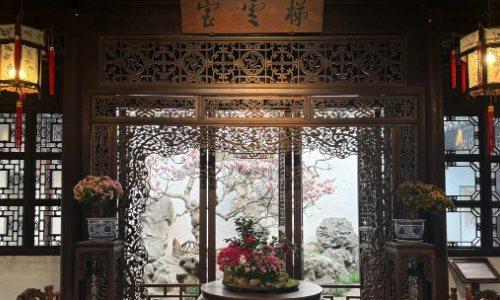
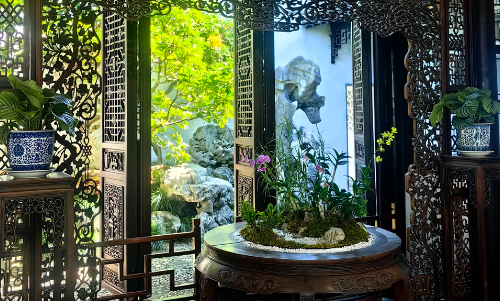
· Located at the northern end of the residential area, built against a small rockery.
· The name "Tiyun" means "climbing the clouds to reach the moon", symbolizing the pursuit of knowledge and spiritual elevation.
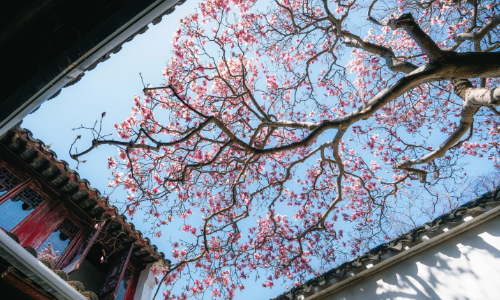
· Home to the famous 100-year-old Erqiao Yulan (two-colored magnolia) tree, which blooms in late March and is considered the most beautiful magnolia in Suzhou.
* Wufeng Study
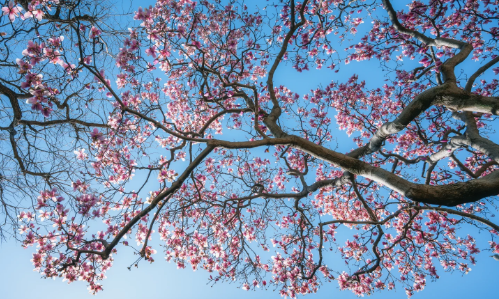
· The former study of the garden’s owner, named after the five rock peaks in front of it.
· Features a collection of ancient books and calligraphy works, creating a scholarly atmosphere.
· Connects the residential area to the central garden, serving as a natural transition between the two spaces.
2. Central Garden
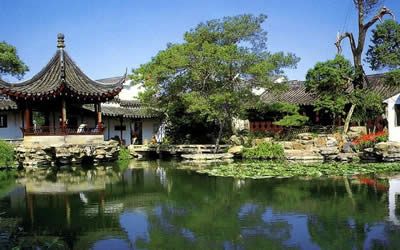
The central garden is the masterpiece of the Garden of the Master of the Nets, centered around the 400-square-meter Caixia Pond (Rosy Clouds Pond). It perfectly demonstrates the classical Chinese garden principle of "creating a world within a small space."
* Caixia Pond
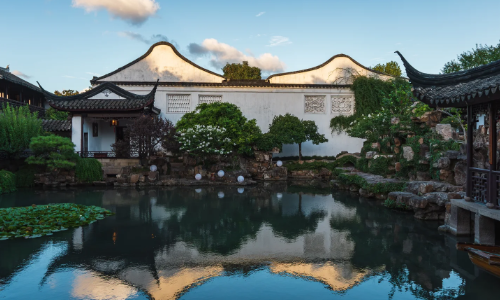
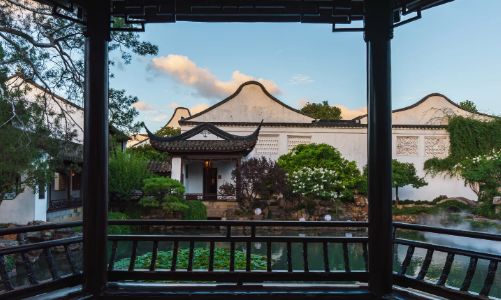
· The focal point of the entire garden, its rectangular shape and stone embankment create a sense of calm and order.
· Cleverly designed with no visible inlet or outlet, giving the illusion of an endless body of water.
· The reflections of the surrounding pavilions, bridges, and trees on the water double the perceived size of the garden.
· The northwest and southeast corners have small water bays, creating a sense of depth and "source of the river".
* Washing Ribbon Pavilion
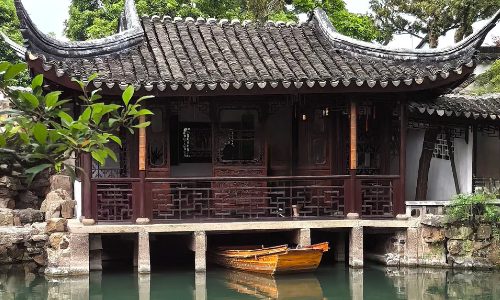
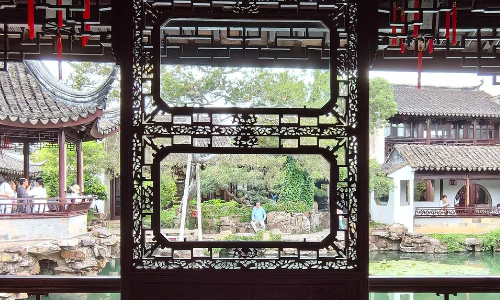
· A waterside pavilion located on the southern bank of the pond, offering unobstructed views of the entire central garden.
· Its name comes from a famous line in Qu Yuan’s "Li Sao": "I wash my ribbon in the clear waters of the Canglang River," symbolizing purity and integrity.
· The pavilion’s open design allows cool breezes to flow through, making it the perfect spot to escape the summer heat.
· The wooden carvings on the pillars feature lotus flowers, further emphasizing the theme of purity.
* Moon Comes with Breeze Pavilion
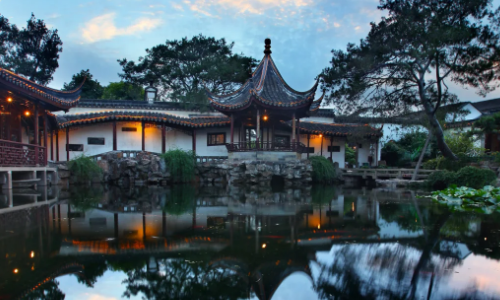
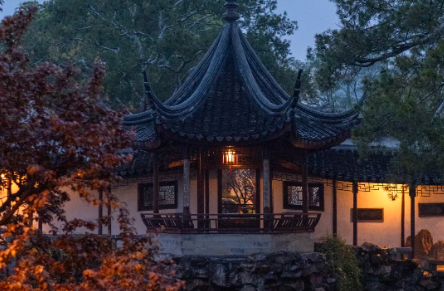
· The most iconic spot in the Master of Nets Garden, perched on a rockery on the western bank of the pond.
· Features a famous couplet by the Tang Dynasty poet Han Yu: "The moon comes when the breeze blows; the water flows and the mountains stand still".
· The best place in the garden to watch the moon rise, especially during the Mid-Autumn Festival when three moons can be seen: the real moon in the sky, its reflection in the water, and the moon reflected in the mirror inside the pavilion.
· The large mirror inside the pavilion also serves to visually expand the space, making the garden feel larger than it actually is.
* Reading and Painting Studio
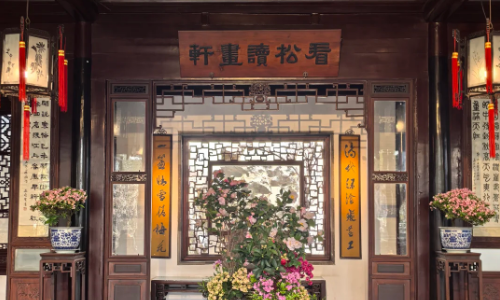
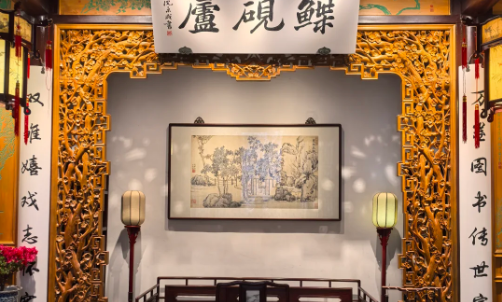
· Located on the northern bank of the pond, this was the owner’s private study and painting studio.
· Features large floor-to-ceiling windows that frame the garden like a series of living paintings.
· The studio is named after the ancient pine trees planted in front of it, which are over 200 years old.
· Inside, there is a famous palindrome poem: "Wind and rain, warm and cold, everywhere searching; orioles and swallows, flowers and leaves, always together".
* Bamboo Outside a Branch Veranda
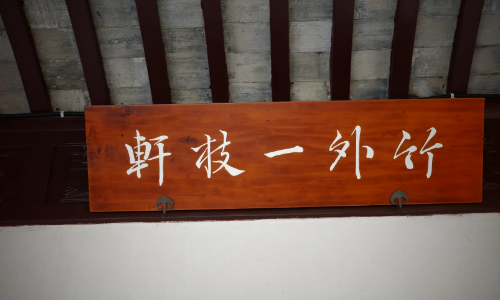
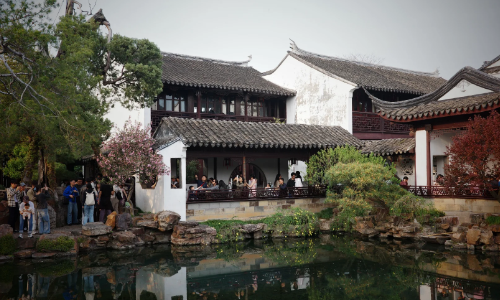
· A long, narrow veranda that runs along the eastern bank of the pond, named after a famous poem by Su Shi: "Beyond the bamboo, a single branch slants gracefully".
· Designed to look like a small boat floating on the water, creating a sense of lightness and movement.
· The veranda is lined with bamboo plants, and the windows frame views of the pond and the surrounding scenery.
· The best spot to take photos of the Moon Comes with Breeze Pavilion reflected in the water.
* Leading to Quietness Bridge
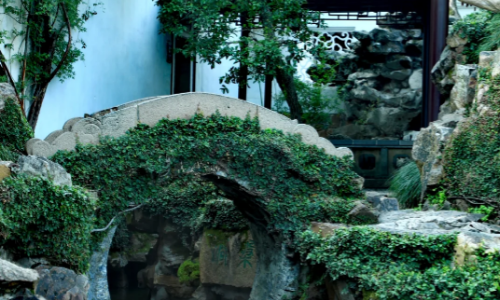
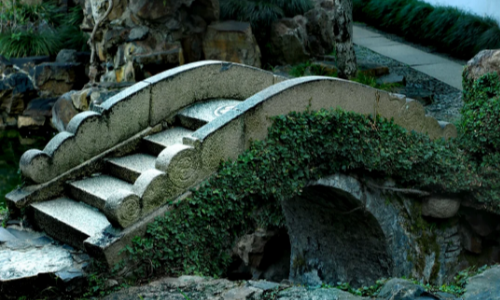
· The smallest stone arch bridge in Suzhou, measuring only 2.4 meters long and 0.9 meters wide.Spans a narrow stream connecting the central pond to the western garden, creating a sense of transition between the two areas.
· The bridge is designed to be small to make the pond appear larger, a classic example of the "using small to emphasize large" technique in Chinese garden design.
· Under the bridge, there is a stone carving of "Pan Jian" (rocky stream), which is believed to be a relic from the Southern Song Dynasty.
* Xiaoshan Conggui Xuan
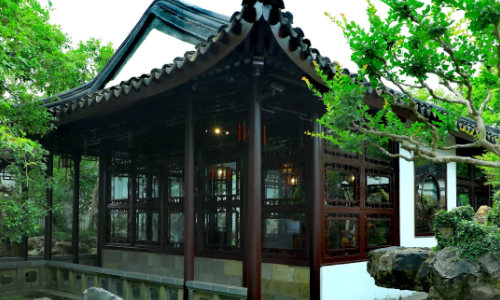
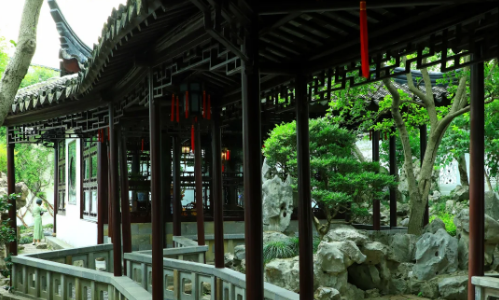
· Located on the southern bank of the pond, surrounded by osmanthus trees.
· The name means "small hill with groves of osmanthus", and it is the best place to enjoy the fragrance of osmanthus in autumn.
· The building is designed to be low and wide, blending harmoniously with the surrounding landscape.
· From the windows, you can see the Cloud Hill rockery and the Washing Ribbon Pavilion, creating a beautiful framed view.
2. Western Garden
A smaller, more secluded area designed for quiet contemplation and relaxation, known for its beautiful rockeries and seasonal flowers.
* Spring Dawn at the Peony Hall
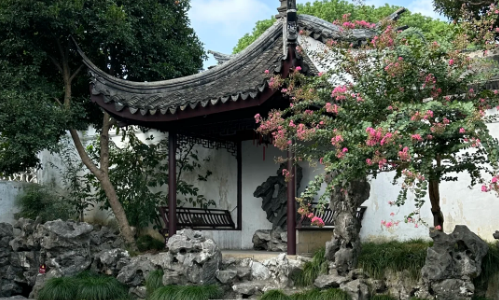
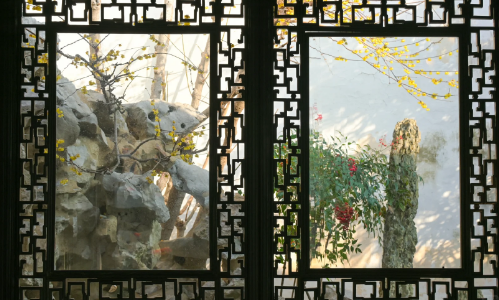
· The main building in the western garden, famous for its stunning peony garden.
· The name "Dianchun Yi" means "the last days of spring", referring to the peonies that bloom in late spring.
· This hall was replicated as the "Ming Hall" in the Metropolitan Museum of Art in New York City, bringing Chinese garden art to the world.
· It was once the studio of the famous Chinese painter Zhang Daqian, who lived here in the 1930s and raised a tiger cub as a model for his paintings.
* Cloud Hill
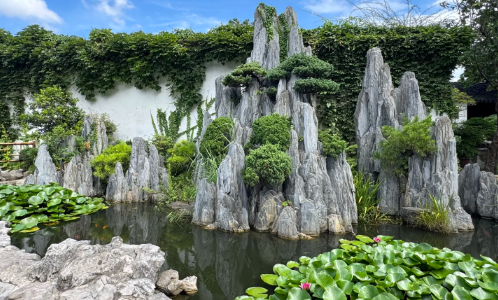
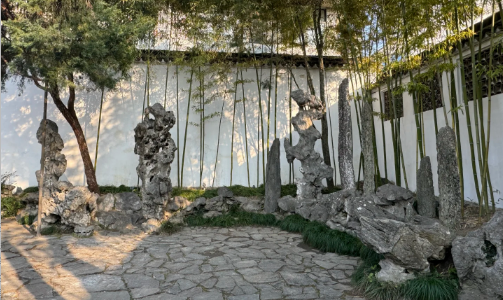
· A large artificial rockery designed to resemble a miniature mountain range.
· Features winding paths, hidden caves, and viewing platforms that offer panoramic views of the entire garden.
· The rockery is covered with ancient cypress trees and bamboo, creating a sense of age and tranquility.
· The rocks are made of yellow stone, which changes color with the light, appearing golden in the morning sun and dark gray in the evening.
* Hanbi Spring
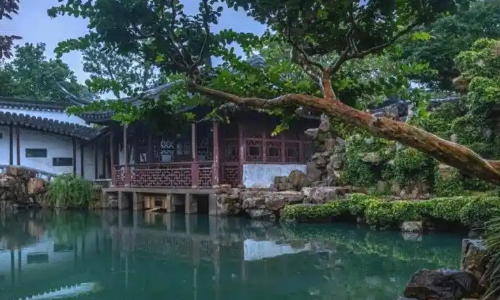
· A small spring located in the corner of the western garden, with clear, cool water.
· The name "Hanbi" means "containing green", referring to the green reflections of the surrounding trees in the water.
· Even though the western garden has no natural water source, this spring creates the illusion of a complete water system.
* Cold Spring Pavilion
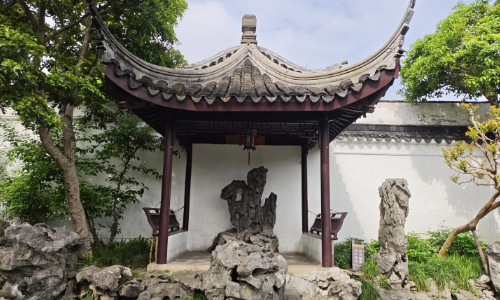
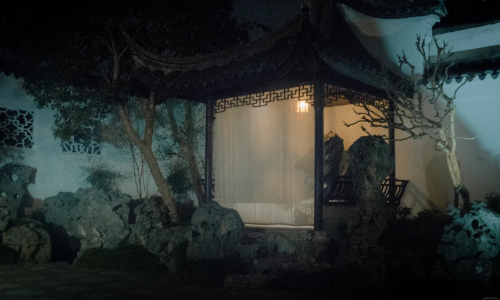
· A small pavilion built next to Hanbi Spring, designed for cooling off in summer.
· Inside the pavilion, there is a large Lingbi stone, which is one of the four famous types of Chinese scholar’s rocks.
· The stone is shaped like a cloud, and when you tap it, it makes a clear, bell-like sound.
* Qin Room
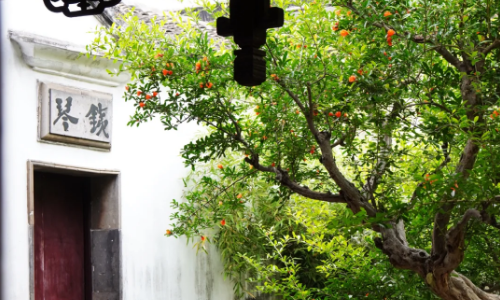
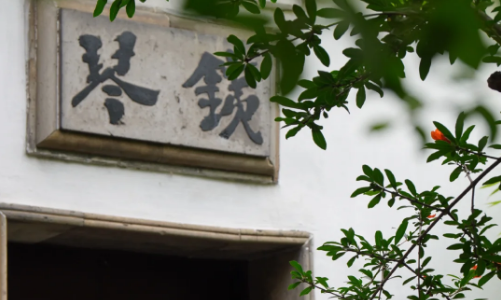
· A small room located at the southern end of the western garden, used for playing the guqin (Chinese zither).
· The room has excellent acoustics, and the sound of the guqin echoes beautifully throughout the space.
· It is one of the quietest spots in the garden, perfect for meditation and relaxation.
 Unforgettable Day Trip to Suzhou from Shanghai By Car: All-Inclusive Adventure
 Private Suzhou Night Garden Tour with Garden Show
The Master of the Nets Garden Night Experience: A Magical Journey Through Time
The night garden is what truly sets the Master of the Nets Garden apart from all other classical gardens in China. First launched in 1990, it has become one of Suzhou’s most popular tourist attractions, drawing over 200,000 visitors annually.
* Immersive Lighting Design
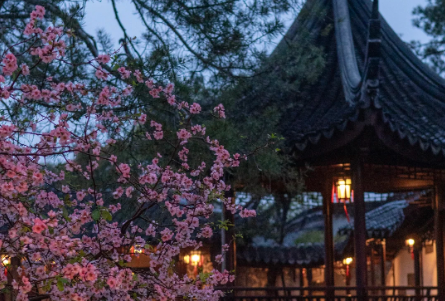
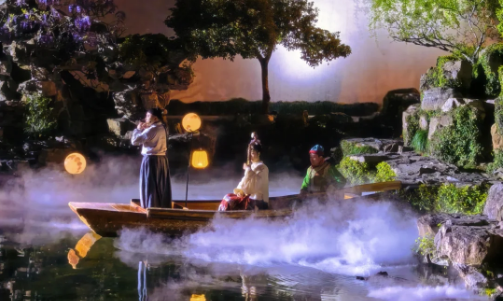
· The garden is illuminated with over 10,000 energy-efficient LED lights, carefully positioned to highlight architectural details and create a dreamlike atmosphere.
· Unlike harsh floodlights, the lighting is soft and warm, casting gentle shadows and beautiful reflections on the water.
· The lighting design changes throughout the night, creating different moods as you move through the garden.
· Special lighting effects are used to hig0hlight the brick carvings, flower windows, and rockeries, bringing them to life after dark.
Eight Classic Live Performances
The night garden features eight traditional Chinese performances held simultaneously in different pavilions along a fixed one-way route. Each performance lasts approximately 5-10 minutes.
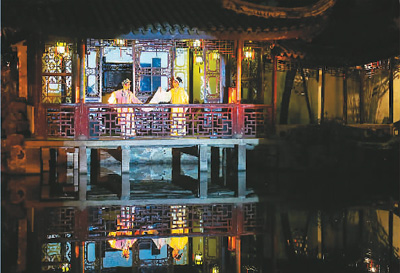
* Kunqu Opera at the Washing Ribbon Pavilion
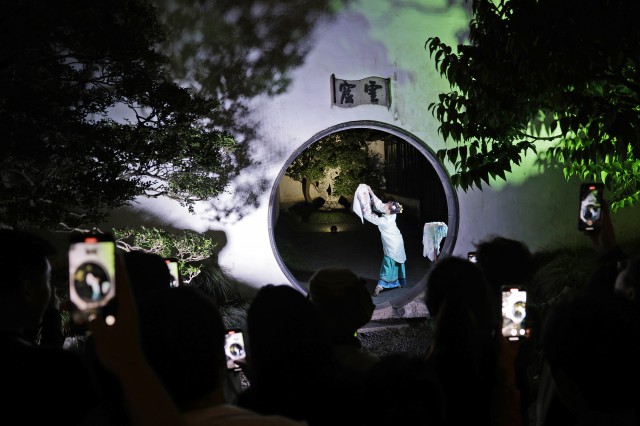
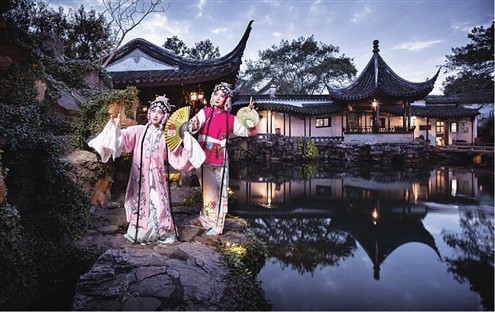
· The garden is illuminated with over 10,000energy-efficient LED lights, carefully positioned to highlight architectural details and create a dreamlike atmosphere.
· Unlike harsh floodlights, the lighting is soft and warm, casting gentle shadows and beautiful reflections on the water.
· The lighting design changes throughout the night, creating different moods as you move through the garden.
· Special lighting effects are used to highlight the brick carvings, flower windows, and rockeries, bringing them to life after dark.
* Suzhou Pingtan at the Reading and Painting Studio
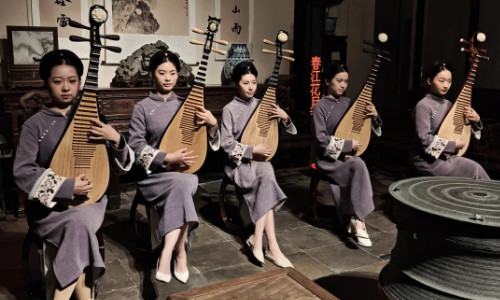
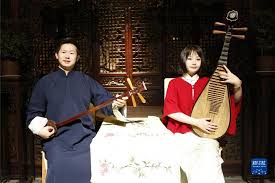
· A traditional storytelling art form accompanied by the pipa (lute) and sanxian (three-stringed instrument).
· Tells stories of love, history, and folklore in the melodious Suzhou dialect.
· The intimate setting of the studio makes you feel like you are listening to a private performance.
* Classical Chinese Music at the Moon Comes with Breeze Pavilion
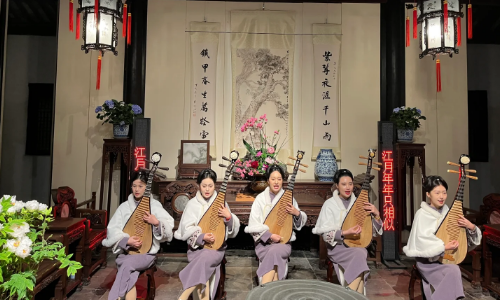
· Performed on traditional instruments such as the guzheng (zither), erhu (fiddle), and dizi (flute).
· Creates a serene, meditative atmosphere that complements the moonlit garden.
· The sound of the music floating over the water is simply magical.
* Jiangnan Sizhu at the Wanjuan Hall
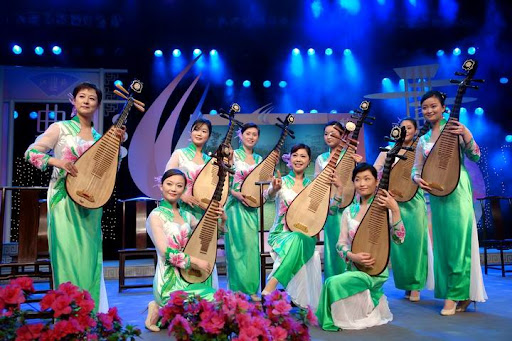
· A type of traditional Chinese chamber music originating from the Jiangnan region.
· Features a combination of string and wind instruments, creating a lively and cheerful sound.
· Performed in the grand setting of the main hall, giving you a taste of traditional Chinese court music.
* Classical Dance at the Dianchun Yi
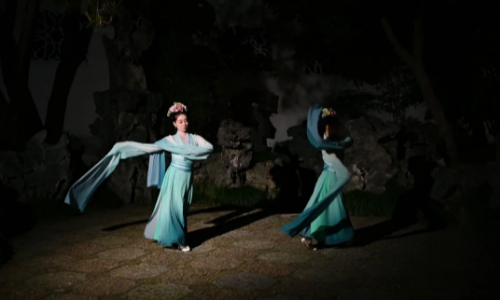
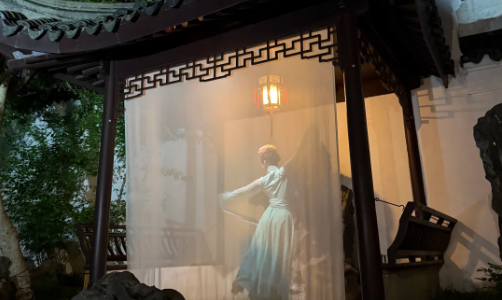
· Performed by dancers in traditional Chinese costumes, interpreting classic poems and stories through movement.
· The beautiful movements and elegant costumes perfectly complement the garden’s aesthetic
* Guqin Performance at the Qin Room
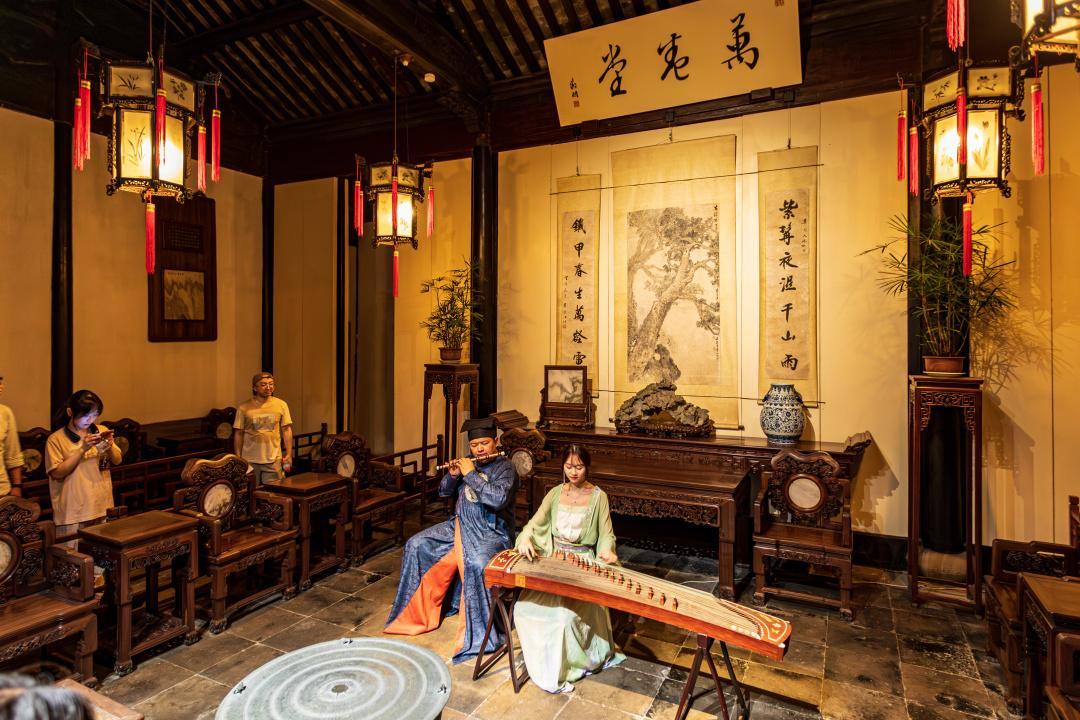
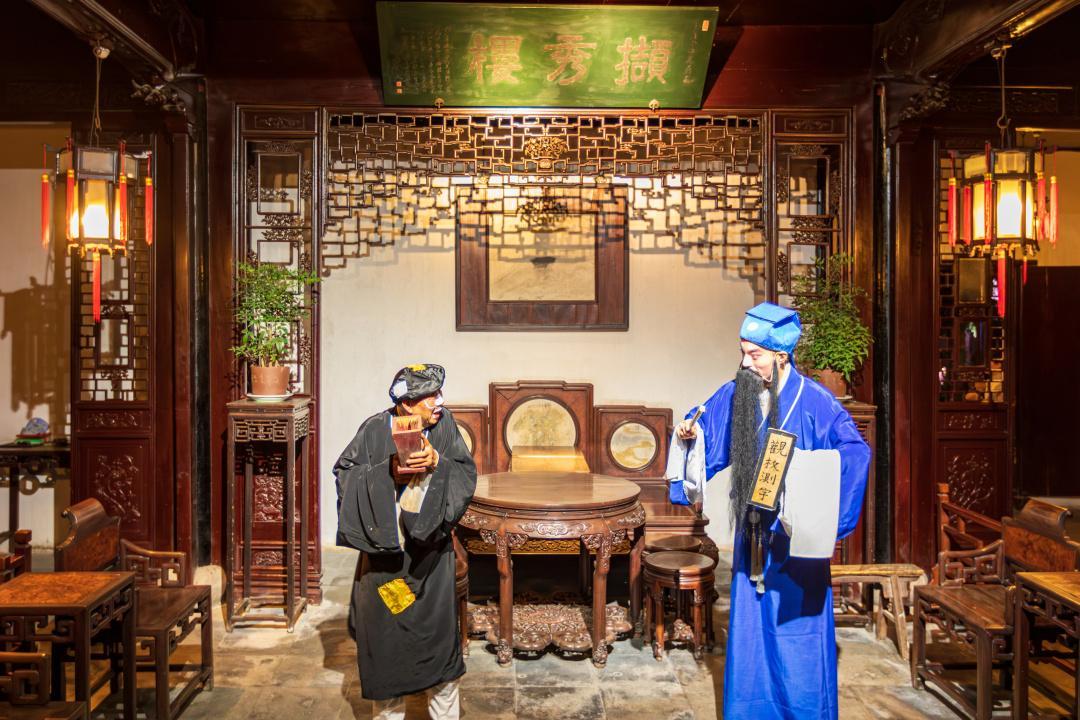
· The guqin is one of the oldest Chinese musical instruments, with a history of over 3,000 years.
· Its deep, resonant sound is perfect for the quiet, contemplative atmosphere of the Qin Room.
· This is one of the most intimate and memorable performances of the night.
Practical Information for the Night Garden
· Opening Hours: From Sunday to Thursday (excluding public holidays), the park is open from 18:25 to 21:40 (last entry at 20:55, park closes at 21:40); from Friday to Saturday (including public holidays), the park is open from 18:25 to 22:20 (last entry at 21:35, park closes at 22:20).
· Ticket Price: 120 RMB per adult; free for children under 1.2m.
· Tour Duration: Approximately 1.5-2 hours
· Note: Flash photography and video recording are strictly prohibited during performances; tripods are not allowed.
· Tip: Arrive 30 minutes early to avoid long lines and get a good spot for the first performance.
The Garden’s Design Philosophy: Creating a World Within a Small Space
The Master of the Nets Garden is a perfect example of the Chinese classical garden design principles, which aim to create a microcosm of nature in a limited space.
* Borrowed Scenery
· The garden borrows views of the distant hills and the surrounding city, making the space feel larger than it actually is.
· From the Moon Comes with Breeze Pavilion, you can see the North Temple Pagoda in the distance, which adds depth to the view.
* Framed Scenery
· The garden uses windows, doorways, and arches to frame views of the landscape, creating a series of living paintings.
· The windows in the Reading and Painting Studio frame the pine trees and the pond, while the doorways in the Dianchun Yi frame the peony garden.
* Opposite Scenery
· Buildings and features are placed opposite each other to create balanced and harmonious views.
· The Moon Comes with Breeze Pavilion is opposite the Washing Ribbon Pavilion, and the Reading and Painting Studio is opposite the Xiaoshan Conggui Xuan.
* Contrast of Scale
· The garden uses small elements to emphasize the size of larger elements, creating a sense of depth and perspective.
· The tiny Leading to Quietness Bridge makes the Caixia Pond appear much larger than it actually is.
* Hidden and Revealed
· The garden uses winding paths, rockeries, and vegetation to hide views, which are then revealed as you move through the space.
· The entrance to the western garden is hidden behind a rockery, creating a sense of discovery when you find it.
Four Seasons at the Master of the Nets Garden
The Master of the Nets Garden offers a unique experience in every season, with different flowers and scenery to enjoy throughout the year.
* Spring (March-May)
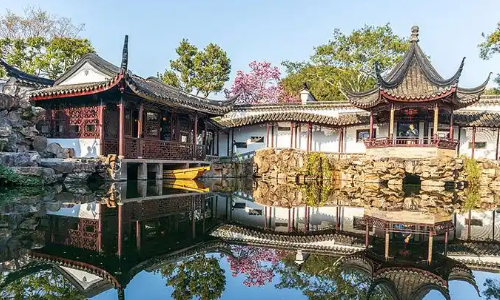
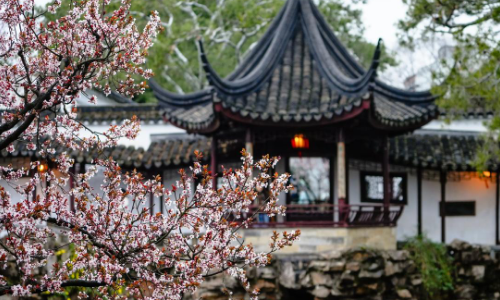
· Early Spring (February-March): Plum blossoms bloom at the Cold Spring Pavilion and in front of the Reading and Painting Studio.
· Mid-Spring (March-April): Magnolias are the star of the season, with the 100-year-old Erqiao Yulan at the Tiyun Room being the most famous.
· Late Spring (April-May): Wisteria hangs in purple cascades at the Dianchun Yi, and peonies and peonies bloom in the western garden.
* Summer (June-August)
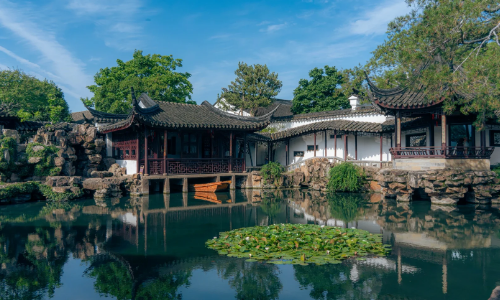
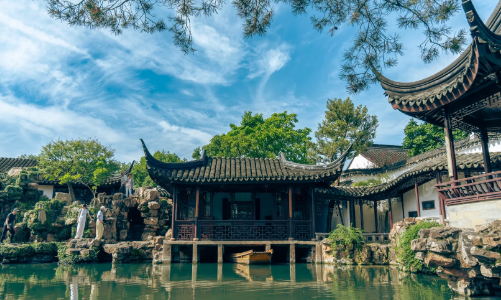
· Early Summer (June): Lotus flowers bloom in the Caixia Pond, creating a beautiful contrast with the white pavilions.
· Mid-Summer (July): Blue jacaranda trees bloom near the Cold Spring Pavilion, and trumpet vines climb the walls.
· Late Summer (August): The garden is lush and green, and the shade of the trees provides a cool escape from the heat.
* Autumn (September-November)
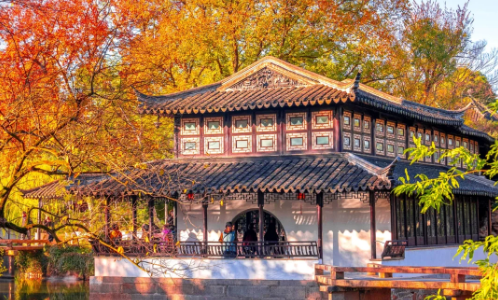
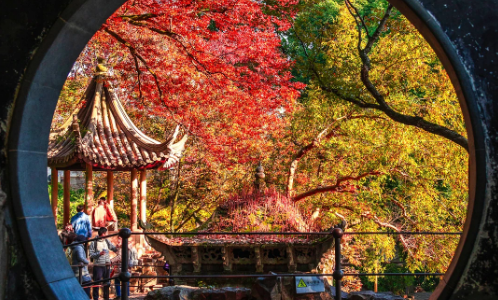
· Early Autumn (September-October): Osmanthus flowers bloom throughout the garden, filling the air with their sweet fragrance.
· Mid-Autumn (October): The Mid-Autumn Festival is the best time to visit the night garden and see the "three moons" at the Moon Comes with Breeze Pavilion.
· Late Autumn (November): Maple trees turn red and gold, creating a stunning contrast with the white walls and black tiles.
* Winter (December-February)
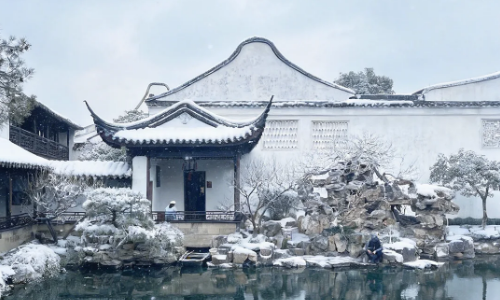
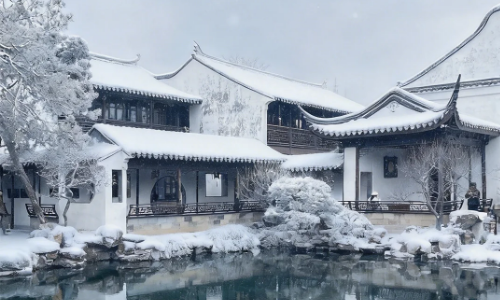
· Early Winter (December): The garden is quiet and peaceful, with bare branches creating beautiful silhouettes against the sky.
· Mid-Winter (January): Wintersweet blooms at the Cold Spring Pavilion and in the Dianchun Yi courtyard, filling the air with its delicate fragrance.
· Late Winter (February): If you are lucky, you might see snow covering the garden, turning it into a winter wonderland straight out of a Chinese painting.
Hidden Gems and Secret Spots
Beyond the main attractions, the Master of the Nets Garden has many hidden gems that most visitors miss.
* The Echo in the Qin Room
· Stand in the center of the Qin Room and clap your hands, and you will hear a clear echo that lasts for several seconds.
· This is due to the room’s unique acoustic design, which was perfect for playing the guqin.
* The Lingbi Stone in the Cold Spring Pavilion
· Most visitors walk past this stone without noticing it, but it is one of the finest examples of Lingbi stone in Suzhou.
· Tap it gently, and it will make a bell-like sound.
* The Cave in Cloud Hill
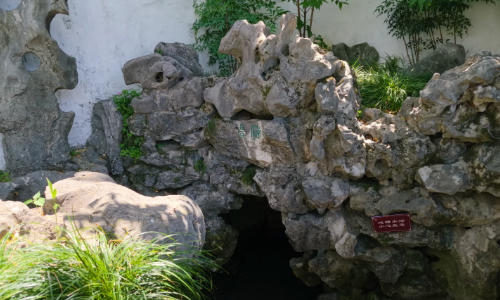
· The Cloud Hill rockery has a small hidden cave that most visitors don’t know about.
· It is cool and dark inside, and offers a unique perspective of the garden.
* The Flower Windows in the Bamboo Outside a Branch Veranda
· The veranda has a series of beautiful flower windows with different patterns.
· When the sun shines through them, they cast intricate shadows on the floor.
* The View from the Top of Cloud Hill
· Climb to the top of the Cloud Hill rockery, and you will get a panoramic view of the entire garden.
· This is one of the best spots to take photos of the Caixia Pond and the surrounding pavilions.
Customized Tour Routes
Whether you have only one hour or a whole day, we have a route that will help you make the most of your visit to the Master of the Nets Garden.
* 1-Hour Quick Tour
· Perfect for travelers with limited time who want to see the highlights.
· Route: Entrance - Brick Carving Gate - Wanjuan Hall - Caixia Pond - Moon Comes with Breeze Pavilion - Leading to Quietness Bridge - Dianchun Yi - Exit.
* 2-Hour In-Depth Tour
· For visitors who want to explore the garden more thoroughly and learn about its history and culture.
· Route: Entrance - Brick Carving Gate - Wanjuan Hall - Xiexiu Tower - Tiyun Room - Wufeng Study - Bamboo Outside a Branch Veranda - Reading and Painting Studio - Moon Comes with Breeze Pavilion - Washing Ribbon Pavilion - Xiaoshan Conggui Xuan - Leading to Quietness Bridge - Dianchun Yi - Cloud Hill - Cold Spring Pavilion - Exit.
* 3-Hour Cultural Experience Tour
· For culture lovers who want to immerse themselves in traditional Chinese arts.
· Route: 2-hour in-depth tour + Guided tour (1 hour) + Optional cultural activity (calligraphy, tea ceremony, or guqin performance).
* Day and Night Combined Tour
· The ultimate experience for visitors who want to see the garden in both daylight and at night.
· Route: Daytime visit (2-3 hours) - Dinner at a local restaurant near the garden - Night garden visit (1.5-2 hours).
Photography Guide
The Master of the Nets Garden is a paradise for photographers, offering endless opportunities for stunning shots both day and night.
* Best Time to Shoot
· Daytime: Early morning (7:30-9:00) when the garden is less crowded and the light is soft and golden.
· Golden Hour: 1 hour before sunset, when the warm light creates a magical atmosphere.
· Nighttime: 19:45-21:00 when the lights are fully on and the performances are in full swing.
* Must-Shoot Locations
· Daytime:
- The view of the Moon Comes with Breeze Pavilion reflected in Caixia Pond from the Bamboo Outside a Branch Veranda.
- The Leading to Quietness Bridge framed by bamboo.
- The ancient pine trees in front of the Reading and Painting Studio.
- The brick carving gate with the morning light shining on it.
- The flower windows in the Dianchun Yi framing the peony garden.
· Nighttime:
- The Washing Ribbon Pavilion illuminated against the dark water.
- The Kunqu Opera performance with the pavilion as a backdrop.
- The three moons at the Moon Comes with Breeze Pavilion during Mid-Autumn Festival.
- The reflections of the lights on the Caixia Pond.
· Photography Tips:
- Use a wide-angle lens to capture the entire garden and its reflections.
- Use a tripod for night photography to avoid blurry shots.
- Wear neutral-colored clothing to blend in with the garden’s aesthetic.
- Arrive early to avoid crowds and get the best spots.
Practical Information
* Opening Hours
· Daytime:
- From March 1st to October 31st each year: Ticket checking begins at 7:30 AM, entry closes at 5:00 PM, and the park closes at 5:30 PM;
- From November 1st to the end of February of the following year: Ticket checking begins at 7:30 AM, entry closes at 4:30 PM, and the park closes at 5:00 PM.
· Nighttime: From Sunday to Thursday (excluding public holidays), the park is open from 18:25 to 21:40 (last entry at 20:55, park closes at 21:40); from Friday to Saturday (including public holidays), the park is open from 18:25 to 22:20 (last entry at 21:35, park closes at 22:20).
* Ticket Prices and Purchase
· Daytime Ticket:
40 RMB per adult (April-May, July-October); 30 RMB per adult (January-March, June, November-December);
· Nighttime Ticket: 120 RMB per adult.
· Purchase Channels: Official WeChat account, online travel platforms (Ctrip, Fliggy), or on-site ticket office.
* Transportation
· Subway: Take Line 5 to Nanmen Station (Exit 3), then walk 10 minutes.
· Bus: Take routes 47, 55, 202, 204, 501, 529, 811, or 931 to the Master of the Nets Garden stop.
· Taxi: Approximately 20 RMB from Suzhou Railway Station; 30 RMB from Suzhou North Railway Station.
* Tips for Visitors
· Arrive early in the morning to avoid crowds and get the best photos.
· Wear comfortable walking shoes as the garden has many stone paths and steps.
· Bring a light jacket for the night garden, as it can get chilly even in summer.
· There is a free luggage storage service at the entrance.
Nearby Attractions and Dining
* Nearby Attractions
· Pingjiang Road Historic Street (1km, 15-minute walk): A well-preserved ancient street with canals, stone bridges, and traditional shops.
· Lion Grove Garden (1.5km, 20-minute walk): Famous for its intricate rock formations resembling lions.
· Suzhou Museum (2km, 10-minute taxi ride): Designed by the world-famous architect I.M. Pei, housing a collection of ancient Chinese art.
· Shen Deqian Former Residence (next door, free): A small, quiet former residence of a famous Qing Dynasty scholar, with beautiful flower windows.
* Local Cuisine
· Must-Try Dishes: Suzhou-style noodles, squirrel-shaped mandarin fish, crab meat dumplings, osmanthus cake, Biluochun tea.
· Recommended Local Restaurants (not tourist traps):
- Tong De Xing: Famous for its Suzhou-style noodles, located 5 minutes’ walk from the garden.
- Lu Yu Lou: Another great noodle shop, popular with locals.
- Gui Hua Yuan: Specializes in osmanthus-flavored desserts.
FAQs
Q: Is the Master of Nets Garden wheelchair accessible?
A: The main paths are wheelchair accessible, but some areas with steps and narrow bridges are not. It is recommended to contact the garden in advance for assistance.
Q: Can I buy a combined ticket for both day and night visits?
A: No, day and night tickets are sold separately. You will need to exit and re-enter the garden for the night visit.
Q: Are tripods allowed in the garden?
A: Tripods are allowed during the daytime but are strictly prohibited during the night garden performances.
Q: How long should I spend at the Master of the Nets Garden?
A: For a quick visit, 1 hour is enough. For a more in-depth experience, 2-3 hours is recommended. If you want to visit both day and night, plan for a full day.
Q: What is the best time to visit the Master of the Nets Garden?
A: The best time to visit is in spring (March-May) and autumn (September-November) when the weather is mild and the garden is at its most beautiful. For the night garden, visit on a weekday to avoid crowds.
Explore Your Way Holiday’s Recommended Tours.
We design private and Tailor-made Suzhou Tours customized to your style of travel at affordable local prices. We will provide a private & spacious car and a local professional tour guide with over 5 years guiding experience only work for you or your group. Transport, ticket, and dining (We find the most authentic dishes popular with locals) all we will arrange for you according your requirements. Please check our most popular tours below:
 Two Days Impressive Suzhou Gardens With Zhouzhuang Water Town Tours
 Suzhou Classical Garden Culture Experience Tours: Explore, Learn & Immerse in Tradition
Are the above sample tour programs not suitable for you? Dont worry, our Suzhou tours can be tailor-made based on your requirements and budget to create unique Suzhou experiences that allow you to interact with the local people and culture. We are Suzhou travel experts who know what your guidebook and foreign agencies don't. Our enthusiastic tour expert will promptly reply you in details within 24 hours.
Duration:10+ Hours
Attractions(Cities):Humble Administrators Garden, Tiger Hill, Hanshan Temple, Pingjiang Road
Tour Style:Embark on the ultimate Suzhou day trip from Shanghai, where you’ll explore the city’s most iconic highlights with a private guide. Discover the beauty of the Humble Administrator’s Garden, a UNESCO-listed masterpiece of classical Chinese landscaping, before heading to Tiger Hill, home to the leaning Yunyan Pagoda and centuries-old legends. Visit the tranquil Hanshan Temple, famous for its ancient bell chimes, and end your journey with a stroll along Pingjiang Road, a charming old street lined with traditional houses, boutique shops, and teahouses. With seamless private transportation and expert guidance, this journey offers an immersive cultural experience in the “Venice of the East.”
Duration:10+Hours
Attractions(Cities):Lingering Garden, Panmen Gate, Hanshan Temple, Shantang Street
Tour Style:A Shanghai to Suzhou day trip offers a perfect blend of history, culture, and scenic beauty, all within easy reach of Shanghai. Begin your journey with a visit to the Lingering Garden, a UNESCO World Heritage site renowned for its classical Chinese landscaping and tranquil atmosphere. Next, explore the iconic Panmen Gate, an ancient city gate that provides a glimpse into Suzhou's rich history and impressive architecture. Continue to the peaceful Hanshan Temple, famous for its ancient bell chimes and historical significance. Finally, stroll along Shantang Street, a charming waterway street lined with traditional buildings, shops, and teahouses. This day trip promises a wonderful exploration of Suzhou’s most famous landmarks.
Duration:6-8 Hours
Attractions(Cities):Humble Administrators Garden, Tiger Hill, Hanshan Temple, Shantang Street
Tour Style:Embark on the ultimate Suzhou day trip, where you’ll explore the city's most famous landmarks with convenient hotel or train station pickup. Begin your journey at the tranquil Humble Administrator’s Garden, a UNESCO World Heritage site celebrated for its classical landscaping and serene beauty. Next, visit Tiger Hill, home to the iconic Yunyan Pagoda and steeped in historical significance. Continue to Hanshan Temple, known for its peaceful atmosphere and ancient bell chimes. Finally, stroll along Shantang Street, a picturesque waterway lined with traditional houses, teahouses, and local shops. This Suzhou day trip offers an immersive experience of the city’s cultural heritage and natural beauty.
Duration:6-8 Hours
Attractions(Cities):Lingering Garden, Hanshan Temple, Panmen Gate, Pingjiang Road
Tour Style:Experience the best of Suzhou with our Suzhou 1 day tour, designed to showcase the city’s most iconic sights. Begin your adventure at the stunning Lingering Garden, a UNESCO World Heritage site renowned for its classical Chinese landscape design. Continue to Hanshan Temple, a peaceful retreat famous for its ancient bell chimes. Visit the historic Panmen Gate, an ancient city gate offering a glimpse into Suzhou's rich history and architecture. End your day with a leisurely stroll along Pingjiang Road, a charming street lined with traditional houses, teahouses, and vibrant local life. This Suzhou 1 day tour offers a perfect mix of culture, history, and beauty, with convenient pickup from your Suzhou hotel or train station.
Duration:10+ hours
Attractions(Cities):The Master of Nest Garden, Pingjiang Road, Zhouzhuang Water Town
Tour Style:Embark on a Suzhou and Zhouzhuang Water Town tour from Shanghai and discover the charm of Suzhou’s classical gardens and ancient water towns. Begin your journey at The Master of Nets Garden, a masterpiece of traditional Chinese landscaping known for its elegant pavilions and tranquil ambiance. Stroll along Pingjiang Road, a historic canal-side street lined with traditional houses, teahouses, and boutique shops. Then, travel to Zhouzhuang Water Town, one of China’s most picturesque water towns, where stone bridges, ancient alleys, and serene canals create a timeless atmosphere. This Suzhou and Zhouzhuang Water Town tour from Shanghai offers a seamless and immersive experience, with private car transport ensuring a comfortable and convenient journey.
Wechat: YourWayHolidayAsia
24 Hours Hotline:
+86 137-3541-1378
Certificate of Excellence
2012~2026

Your Way Holiday

(Your Privacy is Protected)
 Tiger Hill (Huqiu) Travel Guide: Exploring Suzhou’s Iconic Leaning Pagoda
 Exploring Suzhou No. 1 Silk Factory: A Journey into the Heart of China’s Silk Industry
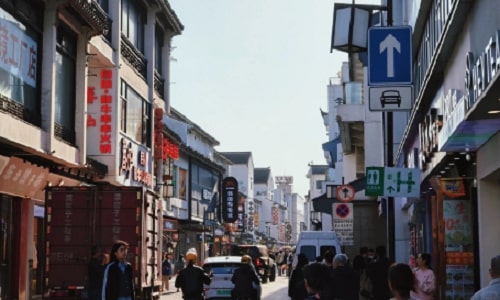 Exploring Guanqian Street in Suzhou: A Blend of Tradition, Shopping, and Local Flavors
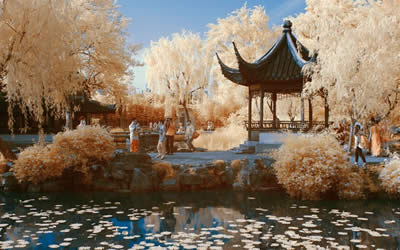 Humble Administrator’s Garden Suzhou: Complete Visitor Guide to Zhuozheng Garden, History, Highlights & Tips
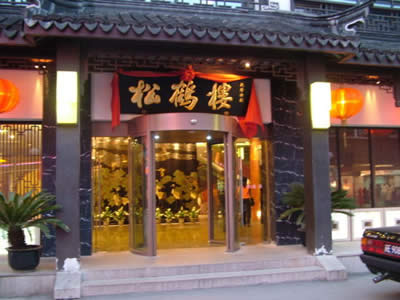 Song He Lou Suzhou: A Culinary Journey through Suzhou’s Historic Songhelou Restaurant
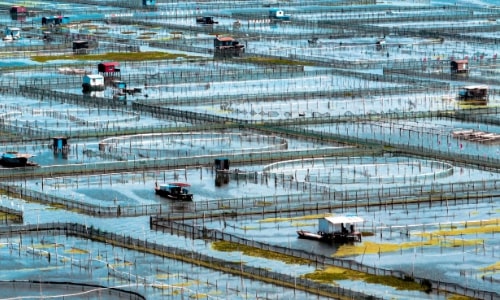 Yangcheng Lake Hairy Crab Guide: The King of Crabs in China
 Master of the Nets Garden Suzhou: A Complete Guide to China’s Most Exquisite Classical Night Garden
 Jinji Lake Suzhou Travel Guide: What to See and Do Around Suzhou’s Modern Landmark
1 to 1 tailor-made service from our professional travel advisors for the most sophisticated
Constantly excellent reviews for attraction, hotel and service Competitive price
Local experts provide quality tours Best selected knowledgeable local guides Authentic local restaurants
7*24 hours available to create you a worry-free tour. No Hidden Fees and absolutely no pressure to buy. Secured









Copyright © 2017 Suzhouprivatetour.com All rights reserved. 浙ICP备18056007号-4