24 Hours Hotline: +86 137-3541-1378
Email:[email protected]
24 Hours Hotline: +86 137-3541-1378
Email:[email protected]
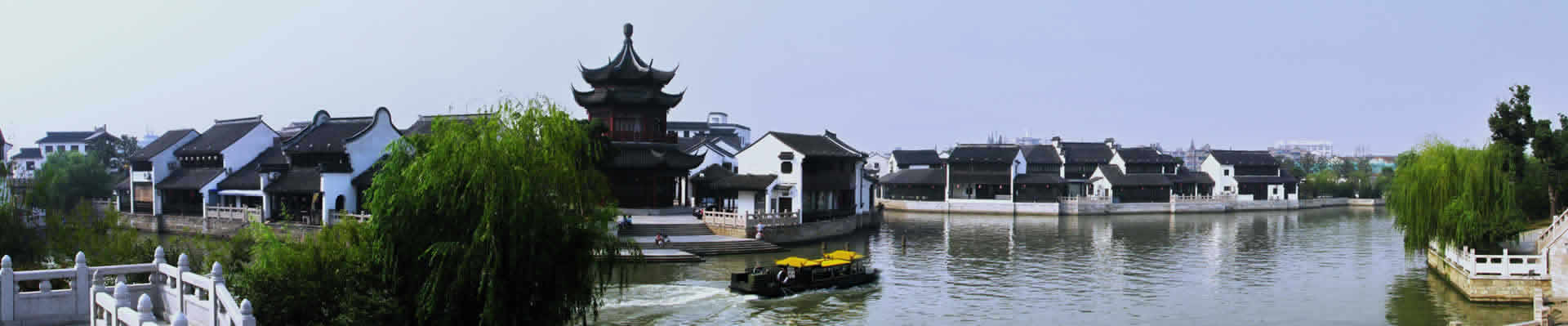
Known as the "Venice of the East" and "Paradise on Earth", Suzhou is an indispensable must-visit city for any trip to China, with a history of over 2,500 years and a perfect integration of traditional Jiangnan culture and modern urban vitality. It boasts 9 UNESCO World Heritage classical gardens, well-preserved ancient water towns like Zhouzhuang and Tongli, profound intangible cultural heritages such as Suzhou embroidery and Kunqu Opera, and delicate seasonal delicacies that adhere to the concept of "eating in season". Located in the core of the Yangtze River Delta, it is easily accessible by high-speed rail from Shanghai, Nanjing and Hangzhou, making it a perfect choice for both short getaways and long vacations.
Why understanding Suzhou's weather is crucial
Weather and climate are crucial to traveling in Suzhou, as its distinct four seasons bring significant differences in temperature, rainfall and humidity, which directly affect itinerary planning, travel comfort, safety, and the quality of experience—from the spring rain that adorns gardens with poetic charm, the summer lotus that brings coolness, the autumn osmanthus that fills the air with fragrance, to the winter snow that adds tranquility to ancient streets, each season’s weather shapes a unique Suzhou, and understanding these characteristics is the key to a perfect trip.
 Ultimate Private Suzhou Day Trip From Shanghai By Train For Essence Highlights
 Effortless Shanghai to Suzhou Day Trip with Optional First-Class Bullet Train
Four Seasons Travel Guide
1. Spring in Suzhou (March-May):Spring Rain, Blooming Flowers & Jiangnan Poetry
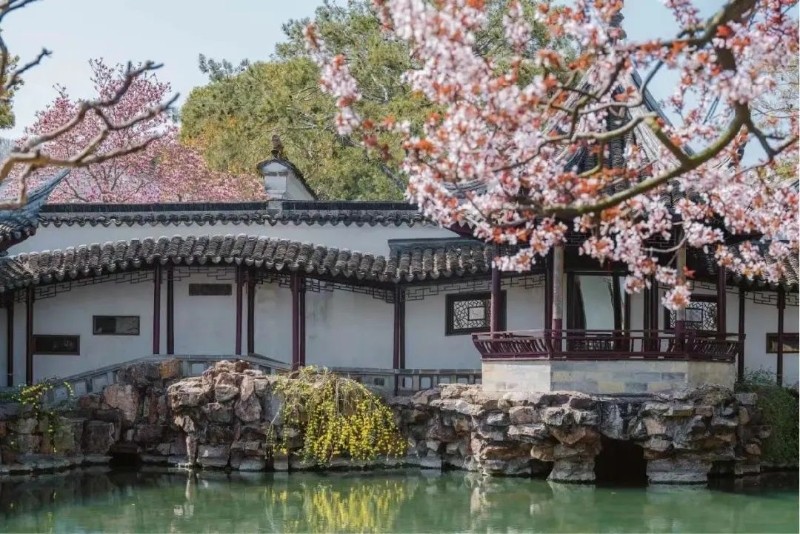
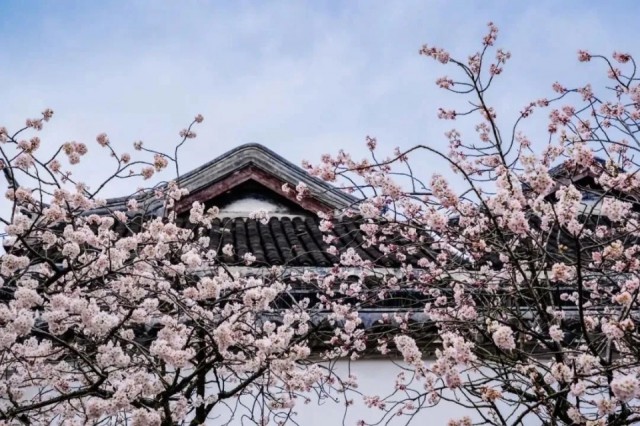
Spring is the most poetic season in Suzhou, with warm and humid weather, blooming flowers everywhere, and the whole city filled with the charm of Jiangnan. From the peach blossoms in gardens to the plum blossoms in mountainous areas, from the willows by the canal to the spring tea in Dongting Mountain, every corner exudes vitality. This season is suitable for garden visits, water town tours, flower appreciation and tea tasting, and the travel experience is full of elegance and comfort.
1. Climate Overview
· Temperature
*March: 8°C-18°C, temperature rises significantly, with obvious temperature difference between day and night (6-10°C), occasional cold waves.
*April: 12°C-22°C, stable temperature rise, warm and comfortable, temperature difference between day and night 5-8°C, the most beautiful period of spring.
*May: 16°C-26°C, gradually turning hot, humidity increases, occasional light rain or thunderstorms.
· Rainfall & Humidity
*Rainfall: March-April has 6-10 rainy days per month, mostly light rain or drizzle; May has 8-12 rainy days, with occasional thunderstorms, rainfall gradually increasing.
*Humidity: 65%-75%, warm and humid, air is full of moisture, occasionally feeling sticky, especially in late May.
· Weather Characteristics
*Mostly cloudy or rainy, with gentle southerly winds, sufficient sunlight in sunny days, and all kinds of plants germinating and blooming.
*Spring rain is frequent, and the "misty rain in Jiangnan" scene is common, which sets off the elegance of classical gardens and ancient water towns.
*Occasional cold waves in early March, with short-term temperature drops, need to pay attention to keeping warm.
2. Recommended Scenic Spots
Spring in Suzhou is a "flower viewing and garden visiting" season. The following scenic spots are divided into categories such as classical gardens, ancient water towns, flower viewing spots, and cultural relics, with detailed introduction of characteristics, suitable visiting time, and travel tips, helping you choose the most suitable attractions according to your preferences.|
· Classical Gardens
(1) Humble Administrator’s Garden
*Features: The largest classical garden in Suzhou, a UNESCO World Heritage Site, with a layout of "water as the main body, flowers as the ornament". In spring, peach blossoms, pear blossoms, and wisteria bloom all over the garden, and the reflection of flowers and pavilions in the water is like a ink painting.
*Best Visiting Time: 9:00-11:00 in the morning (less people, soft sunlight); late March to early April (peach blossoms in full bloom).
*Travel Tips: It is recommended to rent an electronic guide or follow a tour group to understand the cultural connotation of the garden; wear non-slip shoes, as the road is slippery after rain.
(2) Lingering Garden
*Features: One of the four famous gardens in China, famous for its exquisite rockery, pavilions and corridors. In spring, azaleas and peonies bloom in the garden, matching with the ancient rockery, showing the elegance of Jiangnan gardens.
*Best Visiting Time: 14:00-16:00 in the afternoon (warm sunlight, suitable for taking photos); mid-April to early May (azaleas in full bloom).
*Travel Tips: The rockery area has complex paths, pay attention to safety when climbing; the garden is relatively small, avoid visiting during peak hours (10:00-13:00).
(3) Master of the Nets Garden
*Features: Small but exquisite, known as "the most exquisite garden in Suzhou", with a compact layout and beautiful scenery. In spring, the garden is full of rhododendrons and osmanthus buds, and the small bridge over the water is full of poetic charm.
*Best Visiting Time: 8:30-10:00 in the morning (quiet, suitable for slow strolling); late March to mid-April.
*Travel Tips: The garden is located in a quiet alley, away from the noisy downtown; it is recommended to combine it with a visit to Pingjiang Road nearby.
· Ancient Water Towns
(1) Zhouzhuang
*Features: Known as "the first water town in China", with crisscrossing canals, ancient bridges and old houses. In spring, willows by the canal sprout new leaves, and peach blossoms bloom on both sides of the street, showing the most authentic water town style.
*Best Visiting Time: 7:00-9:00 in the morning (before the tour group arrives, quiet and original); early April to mid-May.
*Travel Tips: Take a wooden boat tour of the canal to experience the water town life; avoid the commercial street in the center, and walk in the alleys to find the original charm.
(2) Tongli
*Features: A "water town with more bridges than streets", with 49 bridges in the town, quiet and elegant environment, less commercialization than Zhouzhuang. In spring, the water in the canal is clear, and the flowers in the courtyard of the ancient houses are in full bloom.
*Best Visiting Time: 10:00-15:00 (sunny days, suitable for taking photos of bridges and water); mid-March to late April.
*Travel Tips: Visit the "four gardens in Tongli" (Tuisi Garden, Chongben Hall, etc.) to experience the combination of water town and garden culture; try the local water town snacks by the canal.
(3) Luzhi
*Features: Retain the original water town style, with few commercial traces, simple folk customs. In spring, the ancient streets are lined with green willows, and the local people dry spring vegetables by the street, full of fireworks.
*Best Visiting Time: 13:00-16:00 (quiet, suitable for slow strolling); late March to early May.
*Travel Tips: Visit the Luzhi Museum to understand the history of the water town; take a walk on the ancient bridge and listen to the local dialect of the boatmen, feeling the simple water town life.
· Flower Viewing Spots
(1) Plum Garden
*Features: The largest plum viewing spot in Suzhou, with more than 10,000 plum trees of various varieties. In early spring (late February to mid-March), plum blossoms are in full bloom, white and pink, fragrant and elegant.
*Best Visiting Time: 9:00-11:00 in the morning (sunny days, suitable for taking photos); late February to mid-March.
*Travel Tips: The garden is located in the western suburbs of Suzhou, it is recommended to take a bus or taxi; bring a camera to record the beautiful plum blossoms.
(2) Taihu Lake Peach Blossom Bank
*Features: Located on the shore of Taihu Lake, with a 10-kilometer peach blossom belt. In April, peach blossoms bloom all over the bank, matching with the blue water of Taihu Lake, forming a beautiful scenery of "peach blossoms by the lake".
*Best Visiting Time: 10:00-14:00 (sunny days, beautiful lake view); early April to mid-April.
*Travel Tips: Go for a bike ride along the peach blossom belt (bike rental available nearby); have a picnic by the lake while enjoying the flowers (prepare moisture-proof mats and snacks).
· Cultural Relics & Historic Sites
(1) Hanshan Temple
*Features: Famous for the poem "Mooring by Maple Bridge at Night", with a history of over 1,400 years. In spring, the temple is full of greenery, and the ancient pagoda stands against the spring scenery, solemn and elegant.
*Best Visiting Time: 8:30-10:30 in the morning (quiet, suitable for visiting the temple); late March to mid-May.
*Travel Tips: Listen to the bell of the temple (10 yuan/time) to experience the artistic conception of the poem; visit the adjacent Maple Bridge and Jiangfeng Tower together.
(2) Pingjiang Road
*Features: Retain the pattern of "water and land parallel, streets and lanes adjacent" in the Song Dynasty, with ancient houses, small bridges and flowing water. In spring, the willows by the river sprout, and the small shops on both sides of the street display spring snacks and handicrafts.
*Best Visiting Time: 10:00-17:00 (suitable for strolling and tasting snacks); March to May.
*Travel Tips: Walk along the ancient street on foot, avoid taking vehicles; try local snacks such as osmanthus cakes and green rice cakes in the small shops.
3. Local Experience
To truly experience Suzhou in spring, you must integrate into the local life, participate in seasonal activities, experience intangible cultural heritage, and feel the unique customs of Jiangnan. The following local experiences are divided into four categories: seasonal activities, intangible cultural heritage experience, local life experience, and tea culture experience, with detailed introduction of participation methods and precautions.
· Seasonal Activities
(1) Peach Blossom Festival
*Time: Late March to mid-April, held in Taihu Lake Peach Blossom Bank, Humble Administrator’s Garden and other places.
*Activities: Flower viewing, poetry recitation, folk performances (dragon and lion dance, Kunqu Opera excerpt), local snack fair.
*Participation Tips: Buy tickets in advance online (10-20 yuan/person); avoid weekends, as there are too many people; wear light and comfortable clothes for taking photos.
(2) Biluochun Tea Picking Festival
*Time: Late March to mid-May, held in Dongting Mountain (East and West Dongting Mountain).
*Activities: Hand-picking Biluochun tea buds, watching tea-making process, tasting fresh spring tea, tea art performance.
*Participation Tips: Make an appointment with a local tea farm in advance (tea picking experience fee is about 50-100 yuan/person, including tea-making and tasting); wear long sleeves to avoid being scratched by tea tree branches; pick buds with one bud and one leaf according to the standard.
(3) Spring Outing & Picnic
*Local Custom: Suzhou people like to go for spring outings in spring, usually going to Taihu Lake, Dongting Mountain or city parks to enjoy the spring scenery and have picnics.
*Experience Method: Prepare a moisture-proof mat, snacks (osmanthus cakes, green rice cakes), fruits and spring tea, go to Taihu Lake lakeside or Humble Administrator’s Garden nearby to have a picnic, and enjoy the spring breeze and beautiful scenery.
*Tips: Clean up the garbage after the picnic to protect the environment; avoid picnicking in the scenic spot’s forbidden areas.
· Intangible Cultural Heritage Experience
(1) Suzhou Embroidery Experience
*Location: Suzhou Embroidery Museum, Pingjiang Road Embroidery Workshops.
*Experience Content: Under the guidance of professional embroidery masters, learn basic embroidery stitches (such as plain stitch, split stitch), make small embroidery works (such as key chains, bookmarks), and understand the history and craftsmanship of Suzhou embroidery.
*Tips: The experience fee is about 80-150 yuan/person, which takes 1-2 hours; it is suitable for all ages, and the finished work can be taken away; make an appointment in advance on weekends.
(2) Kunqu Opera Experience
*Location: Suzhou Kunqu Opera Theatre, Pingjiang Road Kunqu Opera Tea House.
*Experience Content: Watch Kunqu Opera excerpts (such as "The Peony Pavilion·Garden Tour"), learn basic Kunqu Opera gestures and tunes, and wear Kunqu Opera costumes to take photos.
*Tips: It is recommended to go in the afternoon, with a more comfortable atmosphere.
· Local Life Experience
(1) Morning Market Tour
*Location: Fengmen Old Street, Pingjiang Road Morning Market.
*Experience Content: Browse the local morning market, buy seasonal spring vegetables (such as shepherd’s purse, chrysanthemum chrysanthemum), fresh river fish, and local snacks (such as fried dough sticks, soybean milk, steamed buns), feeling the strong fireworks of Suzhou.
*Tips: Go early (6:30-8:30 in the morning), when the ingredients are the freshest; bring cash, as some small stalls do not accept mobile payment; pay attention to hygiene when buying snacks.
(2) Canal Boat Tour
*Route: Shantang Street Wharf - Hanshan Temple Wharf - Maple Bridge Wharf (one-way, about 1 hour).
*Experience Content: Take a wooden boat, listen to the boatman’s introduction of the canal’s history and surrounding scenery, watch the willows by the canal and the ancient houses on both sides, and experience the "water town life" of Suzhou people.
*Tips: The boat ticket is about 80 yuan/person; take the boat in the morning or afternoon (avoid noon), with more comfortable weather; wear a hat to avoid sun exposure.
· Tea Culture Experience
(1) Tea House Experience
*Location: Pingjiang Road, Shantang Street, old tea houses in the city.
*Experience Content: Order a pot of fresh Biluochun, taste local snacks (such as osmanthus cakes, pine nut cakes), listen to Suzhou Pingtan (ballad singing), and enjoy the quiet spring afternoon.
*Tips: The consumption is about 50-100 yuan/person; choose a tea house by the river for a better view; avoid talking loudly to maintain the quiet atmosphere of the tea house.
(2) Tea Factory Visit
*Location: Dongting Mountain Tea Factory, Suzhou Biluochun Tea Industry Park.
*Experience Content: Visit the tea-making workshop, understand the whole process of Biluochun tea making (picking, withering, rolling, drying), taste different grades of Biluochun, and buy authentic Biluochun as souvenirs.
*Tips: The visit is free of charge, and the tea tasting fee is about 30-50 yuan/person; the tea bought in the tea factory is authentic and reasonably priced; ask the guide to explain the knowledge of tea appreciation.
4. Seasonal Food
Suzhou people pay attention to "eating in season", and spring has a variety of fresh and delicate seasonal foods, which are mainly light and fresh, highlighting the original flavor of ingredients. The following foods are divided into main dishes, snacks, desserts and drinks, with detailed introduction of characteristics, recommended restaurants and eating tips, allowing you to taste the most authentic "spring flavor of Suzhou".
· Main Dishes
(1) Shepherd’s Purse Fried Tofu
*Features: Fresh shepherd’s purse picked in spring is paired with tender tofu, stir-fried with a little salt and sesame oil, light and fresh, with a unique fragrance of shepherd’s purse, which is a classic spring dish in Suzhou.
*Recommended Restaurant: Songhelou (Shantang Street Store), Wuzhengtang (Pingjiang Road Store).
*Eating Tips: It is best to eat it hot, as the cold dish will lose the fresh fragrance of shepherd’s purse; it is suitable for matching with white rice or porridge.
(2) Steamed Fresh River Fish
*Features: Spring river fish (such as crucian carp, silver carp) are fresh and tender, steamed with ginger and scallions, without adding too many seasonings, highlighting the fresh flavor of the fish, which is delicious and not greasy.
*Recommended Restaurant: Tongli Water Town Restaurant, Taihu Lake Lakeside Restaurant.
*Eating Tips: Choose live fish to ensure freshness; eat the fish as soon as it is served, to avoid the fish becoming old and affecting the taste.
(3) Braised Pork Ribs with Osmanthus
*Features: Suzhou’s classic sweet and sour dish, spring osmanthus buds are added to the braised pork ribs, making the ribs soft and glutinous, sweet and sour, with a light osmanthus fragrance, which is suitable for spring taste.
*Recommended Restaurant: Deyuelou (Guanqian Street Store), Suzhou Hotel.
*Eating Tips: The dish is slightly sweet, suitable for people who like sweet food; it is not recommended to eat too much, to avoid greasiness.
· Snacks
(1) Green Rice Cake
*Features: Made of glutinous rice flour and shepherd’s purse or wormwood juice, with fillings such as red bean paste, sesame paste and meat floss, green in color, soft and glutinous, with a fresh fragrance of grass, which is a must-eat snack in Suzhou spring.
*Recommended Store: Huangtianyuan (Guanqian Street Store), Laoma Food Store (Pingjiang Road Store).
*Eating Tips: Eat it hot, as it will become hard when cold; the meat floss filling is salty and fresh, and the red bean paste filling is sweet, which can be chosen according to personal taste; it is not easy to digest, so do not eat too much.
(2) Spring Roll
*Features: The skin is thin and crispy, filled with spring vegetables (such as shepherd’s purse, bamboo shoots, shredded pork), fried until golden brown, crispy outside and tender inside, fresh and delicious.
*Recommended Store: Suzhou Snack Center (Guanqian Street), Pingjiang Road Snack Shop.
*Eating Tips: Eat it immediately after frying, to avoid the skin becoming soft; be careful of scalding, as the filling is hot.
(3) Plum Blossom Cake
*Features: Shaped like a plum blossom, made of glutinous rice flour, with fillings such as red bean paste, osmanthus honey and pine nuts, baked until golden brown, sweet and fragrant, with a soft taste.
*Recommended Store: Shantang Street Plum Blossom Cake Shop, Luzhi Ancient Town Snack Shop.
*Eating Tips: It is best to eat it when it is slightly cool, to avoid scalding; the osmanthus honey filling is sweet but not greasy, which is the most popular flavor.
· Desserts
(1) Osmanthus Cake
*Features: Made of glutinous rice flour, osmanthus honey and sugar, soft and delicate, with a strong osmanthus fragrance, sweet but not greasy, which is a classic Suzhou dessert.
*Recommended Store: Huangtianyuan, Suzhou Pastry Shop (Guanqian Street).
*Eating Tips: It can be eaten as a snack or after a meal; it is suitable for matching with Biluochun tea to relieve sweetness.
(2) Peach Blossom Paste
*Features: Made of peach blossom juice, glutinous rice flour and rock sugar, transparent and pink, with a light peach blossom fragrance, cool and refreshing, suitable for spring.
*Recommended Store: Pingjiang Road Dessert Shop, Suzhou Pastry Museum.
*Eating Tips: It is best to eat it cold, which is more refreshing; it has the effect of nourishing the skin, and is popular among female tourists.
· Drinks
(1) Fresh Biluochun Tea
*Features: Picked in spring, the tea buds are tender, covered with white hairs, the soup is clear and green, with a fresh and sweet aftertaste, which can relieve greasiness and refresh the mind.
*Recommended Purchase Channel: Dongting Mountain Tea Factory, Suzhou Tea House.
*Drinking Tips: Use 80°C-85°C hot water to brew, the brewing time is 3-5 minutes; do not brew too many times, the first two times have the best taste.
(2) Peach Blossom Tea
*Features: Made of fresh peach blossoms and rock sugar, brewed with hot water, the tea is light pink, with a fresh peach blossom fragrance, which can moisten the throat and beautify the skin.
*Recommended Store: Pingjiang Road Tea House, Suzhou Pastry Shop.
*Drinking Tips: It is not suitable for people with cold stomach; add a little honey to enhance the taste.
5. Packing Suggestions
Spring in Suzhou is warm and humid, with obvious temperature difference between day and night and frequent light rain. The packing principle is "layered dressing, moisture-proof and rain-proof", and the following is a detailed classification of upper clothes, lower clothes, accessories and special supplies to help you pack reasonably and comfortably.
· Upper Clothes
*March: Thin down jacket or windbreaker (waterproof and windproof), thick sweater, thermal underwear, thin long-sleeve shirt (for layering, easy to add or remove according to temperature).
*April: Windbreaker or cardigan, thin sweater or long-sleeve shirt, short-sleeve T-shirt (layered dressing, suitable for temperature changes between day and night).
*May: Short-sleeve T-shirt, thin long-sleeve shirt, light jacket (for cool nights or rainy days), avoid thick clothes to prevent stuffiness.
*Key Tips: Choose breathable and quick-drying fabrics (such as cotton, linen) to avoid sticky feeling caused by high humidity; light colors (white, light blue, pink) are recommended for taking photos, which match the spring scenery.
· Lower Clothes
*March: Thin thermal pants, thick jeans or woolen pants, avoid thin pants, keep legs warm.
*April: Jeans, casual pants, thin leggings, choose breathable fabrics, avoid thick thermal pants.
*May: Shorts, casual pants, thin leggings, suitable for warm weather; prepare a pair of long pants for rainy days or cool nights.
*Key Tips: Avoid wearing light-colored pants on rainy days, which are easy to get dirty; choose pants with elastic waistband for comfort when strolling and taking photos.
· Accessories
*Shoes: Comfortable casual shoes or sneakers (non-slip, breathable), waterproof shoes (for rainy days); avoid high heels, as it is inconvenient to walk in ancient streets and gardens.
*Hat: Light sun hat (for sunny days) or baseball cap, which can prevent sun exposure and match the spring outfit.
*Scarf: Thin silk scarf or cotton scarf (for cool mornings and evenings), which can keep warm and be used as a photo prop.
*Umbrella: Foldable waterproof umbrella (essential), it is recommended to choose a light color or a floral pattern, which matches the spring atmosphere.
· Special Supplies
*Moisture-proof Supplies: Moisture-proof bag (for clothes and luggage), drying agent, wet tissue (for wiping hands and shoes on rainy days).
*Skin Care Supplies: Sunscreen (SPF30+, PA+++), moisturizer, lipstick with sun protection function (spring sunlight is getting stronger, and the air is humid, which is easy to dry the skin).
*Other Supplies: Camera (to record the spring scenery), power bank (for charging mobile phones), small backpack (for carrying umbrellas, water and snacks).
6. Comfort & Safety Tips
To ensure a comfortable and safe spring trip to Suzhou, the following tips cover moisture-proof, temperature adaptation, travel safety, and health protection, helping you avoid potential risks and improve the travel experience.
· Moisture-proof Tips
*Clothes and Luggage: Put drying agents in the luggage, and use moisture-proof bags to pack clothes, especially cotton and woolen clothes, to prevent mildew; hang clothes in a well-ventilated place after arriving at the hotel, and use the hotel’s drying equipment if necessary. If the clothes get wet in the rain, dry them in time to avoid catching a cold.
*Room Moisture-proof: When checking into the hotel, choose a room with good ventilation (preferably a room with a balcony); if the room is damp, turn on the air conditioner’s dehumidification function or ask the hotel for additional drying agents to keep the room dry and comfortable.
· Temperature Adaptation Tips
*Layered Dressing: Adhere to the "inner thin, middle warm, outer windproof" dressing principle, such as short-sleeve T-shirt + thin sweater + windbreaker, which can be added or removed at any time according to the temperature change. For example, wear a windbreaker in the morning and evening when it is cool, and take it off at noon when the temperature rises.
*Pay Attention to Weather Forecast: Check the weather forecast every morning before going out, grasp the temperature range of the day, and adjust the clothes in time; pay special attention to the cold wave warning in early March, and prepare thick clothes in advance.
*Keep Warm in the Morning and Evening: The temperature in the morning and evening in spring is relatively low, especially near the lake and water town. It is recommended to carry a thin scarf or light jacket to avoid catching a cold due to cold wind.
· Travel Safety Tips
*Road Safety: After rain, the roads in gardens and ancient water towns are slippery (especially stone roads), so wear non-slip shoes; pay attention to the steps and thresholds when visiting ancient buildings to avoid falling. When taking a canal boat, fasten the safety belt (if any) and do not lean out of the boat to prevent accidents.
*Personal and Property Safety: Spring is the peak tourist season, and scenic spots, bus stations and high-speed rail stations are crowded. Keep valuables (mobile phones, wallets, cameras) close to you; do not easily trust strangers’ recommendations (such as unlicensed tour guides, overpriced souvenirs) to avoid being deceived.
*Scenic Spot Safety: Follow the scenic spot’s regulations, do not enter the forbidden areas (such as unopened garden areas, dangerous sections of the lake); when taking photos, pay attention to the surrounding environment, and do not stand on the edge of stone railings to avoid falling into the water.
· Health Protection Tips
*Prevent Colds: Due to the obvious temperature difference between day and night and high humidity, it is easy to catch a cold. Prepare cold medicine (such as Ganmao Qingre Granules) in advance; if you feel cold, drink hot water in time and add clothes.
*Prevent Allergies: Spring is the peak season for allergies, especially for people with pollen allergies. Avoid staying in flower-viewing spots for a long time; carry anti-allergic medicine (such as Loratadine) and wear a mask when necessary.
*Dietary Health: When tasting local snacks, choose regular stores with good hygiene; do not eat raw or cold food (such as raw river fish) to avoid gastrointestinal discomfort. Drink plenty of hot water to adapt to the humid climate.
2. Summer in Suzhou (June-August): Lotus Fragrance, Cool Water Towns & Summer Leisure
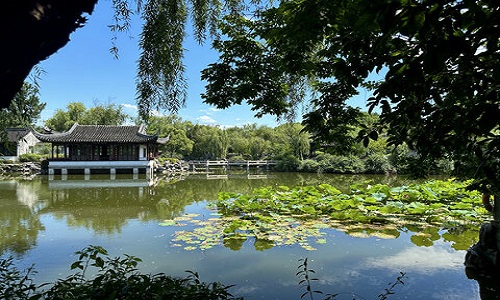
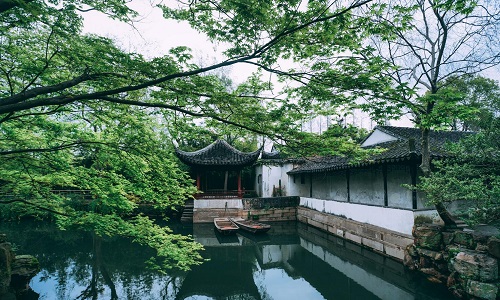
Summer in Suzhou is hot and humid, with concentrated rainfall, including the plum rain season and occasional typhoons, but it also has unique summer charm——the lotus flowers in the gardens are in full bloom, the cool breeze from Taihu Lake relieves the summer heat, and the night markets and water towns are full of fireworks. This season is suitable for lotus viewing, summer leisure by the lake, night tours of ancient streets, and tasting summer seasonal delicacies. The following is a detailed guide covering all dimensions such as climate, scenic spots, local experiences, food, and packing, helping you spend a comfortable summer in Suzhou.
1. Climate Overview
· Temperature
*June: 22°C-30°C, hot and humid, the plum rain season starts in mid-June, with high humidity and stuffy weather.
*July: 26°C-34°C, the hottest month in Suzhou, with high temperature and high humidity, occasional heat waves, and the maximum temperature can reach 38°C.
*August: 25°C-33°C, still hot, but the temperature gradually drops in late August; occasional typhoons, bringing short-term coolness.
· Rainfall & Humidity
*Rainfall: June-August is the peak rainfall period in Suzhou, with 10-15 rainy days per month; mid-June to mid-July is the plum rain season, with continuous light rain or drizzle, and occasional heavy rain in July-August.
*Humidity: 75%-85%, high humidity all month, especially during the plum rain season, the air is sticky, and it is easy to feel stuffy and uncomfortable.
· Weather Characteristics
*Plum Rain Season (mid-June to mid-July): Continuous rainy days, low visibility, stuffy and humid, little wind, and the air is full of moisture.
*Hot and Stuffy Weather: After the plum rain season, the temperature rises sharply, forming a "sauna day" with high temperature and high humidity, which is easy to feel tired and stuffy.
*Occasional Typhoons and Thunderstorms: Typhoons occur from July to September, with the most frequent in August; thunderstorms are sudden and short-lived, often accompanied by strong winds and heavy rain, which can relieve the summer heat temporarily.
2. Recommended Scenic Spots
Summer in Suzhou is a season of "lotus viewing and summer cooling". The following scenic spots are divided into categories such as lotus viewing spots, cool summer resorts, ancient water towns, and night tour attractions, with detailed introduction of characteristics, suitable visiting time, and travel tips, helping you choose the most comfortable attractions to avoid the summer heat.
· Lotus Viewing Spots
(1) Humble Administrator’s Garden
*Features: The largest classical garden in Suzhou, with a large area of lotus ponds. In summer, pink and white lotus flowers are in full bloom, matching with the pavilions, terraces and corridors in the garden, forming a beautiful picture of "lotus in the pond, fragrance floating in the garden".
*Best Visiting Time: 6:30-9:00 in the morning (cool weather, less people, soft sunlight); mid-July to mid-August (lotus in full bloom).
*Travel Tips: Avoid visiting at noon (11:00-14:00), when the temperature is the highest; wear a sun hat and sunscreen, and bring a fan or small electric fan to relieve the heat.
(2) Lion Grove
*Features: Famous for its exquisite rockery, there are many lotus ponds in the garden. In summer, lotus flowers bloom around the rockery, and the cool breeze from the pond relieves the summer heat. The rockery can also provide shade, making it a good place to avoid the heat.
*Best Visiting Time: 9:00-11:00 in the morning, 16:00-18:00 in the afternoon (cooler temperatures); late June to early August.
*Travel Tips: Climb the rockery to enjoy the cool breeze and the view of the lotus pond; wear non-slip shoes, as the rockery steps are steep and slippery after rain.
(3) Taihu Lake Lotus Bay
*Features: Located on the shore of Taihu Lake, with a large area of lotus fields, stretching for several kilometers. In summer, lotus flowers are in full bloom, and the cool breeze from Taihu Lake makes it very comfortable. You can take a boat to view the lotus flowers up close.
*Best Visiting Time: 10:00-16:00 (avoid noon), sunny days are better; mid-July to late August.
*Travel Tips: Rent a boat to tour the lotus fields; bring a sunshade and water, as there are few shade facilities in the lotus fields; wear light and cool clothes.
· Cool Summer Resorts
(1) Taihu Lake East Mountain
*Features: Located on the east bank of Taihu Lake, surrounded by mountains and water, with dense vegetation and fresh air. The average temperature in summer is 2-3°C lower than that in the urban area, making it a famous summer resort in Suzhou. You can enjoy the lake view, pick summer fruits, and experience rural life.
*Best Visiting Time: 9:00-17:00 (cool all day); July to August.
*Travel Tips: Stay in a homestay by the lake for 1-2 days to experience the cool summer night; try local seasonal fruits (such as peaches, plums) picked in the orchard.
(2) Suzhou Botanical Garden
*Features: A large botanical garden with rich vegetation, dense trees provide a lot of shade, and the air is fresh and cool. There are many pavilions and rest areas, suitable for slow strolling and avoiding the heat.
*Best Visiting Time: 8:00-16:00 (cool and comfortable); June to August.
*Travel Tips: The park is free of charge; bring a mat and snacks, and rest in the shade for a while; wear mosquito repellent, as there are many mosquitoes in the garden.
(3) Shihu Scenic Area
*Features: Surrounded by mountains and water, with a large lake area and dense forests. The cool breeze from the lake relieves the summer heat, and there are many historical sites in the scenic area, which is suitable for summer leisure and sightseeing.
*Best Visiting Time: 15:00-19:00 (cool in the afternoon and evening, beautiful sunset); July to August.
*Travel Tips: Take a walk along the lake after dinner to enjoy the cool evening breeze; there are many catering facilities nearby, which is convenient to taste local snacks.
· Ancient Water Towns
(1) Tongli
*Features: The water town is surrounded by water, with crisscrossing canals. The ancient houses are built along the river, and the cool breeze from the canal relieves the summer heat. In summer, you can take a boat to tour the canal, enjoy the cool breeze, and feel the quiet water town life.
*Best Visiting Time: 7:00-10:00 in the morning, 17:00-20:00 in the evening (cooler temperatures); June to August.
*Travel Tips: Stay in a water town homestay, and enjoy the cool night by the river; try local summer snacks (such as cold noodles, mung bean soup) by the canal.
(2) Luzhi
*Features: Less commercialization, simple folk customs, and the water town is cool and quiet. The ancient streets are lined with old houses, and the canal water is clear. In summer, you can sit by the canal and enjoy the cool breeze, feeling the original water town charm.
*Best Visiting Time: 10:00-16:00 (quiet, cool); June to August.
*Travel Tips: Visit the local old streets, try the homemade cold dishes in small shops; take a walk on the ancient bridge, and enjoy the beautiful scenery of the water town.
· Night Tour Attractions
(1) Shantang Street
*Features: The night view of Shantang Street is very beautiful. The lanterns on both sides of the street are lit up at night, reflecting in the canal, forming a beautiful picture. The night is cool, and you can stroll along the street, taste snacks, and experience the night life of Suzhou.
*Best Visiting Time: 19:00-21:30 (the most beautiful night view, cool temperature); June to August.
*Travel Tips: Avoid weekends, as there are too many people; try local night snacks (such as stinky tofu, fried small yellow croaker) in the street shops; take a boat tour at night to enjoy the night view of the canal.
(2) Pingjiang Road
*Features: The night of Pingjiang Road is quiet and elegant. The lanterns are lit up, and the ancient houses and small bridges are reflected in the river. The night breeze is cool, and you can listen to Suzhou Pingtan in the tea house, enjoying the quiet summer night.
*Best Visiting Time: 18:30-21:00 (quiet, cool); June to August.
*Travel Tips: Choose a tea house by the river to listen to Pingtan and enjoy the cool breeze; walk along the ancient street on foot, and feel the night charm of the water town.
3. Local Experience
Summer in Suzhou is full of fireworks. To truly experience the summer of Suzhou, you must participate in local seasonal activities, experience the cool summer customs, taste summer snacks, and feel the unique summer vitality of Jiangnan. The following local experiences are divided into seasonal activities, cool summer experiences, night life experiences, and folk customs experiences, with detailed introduction of participation methods and precautions.
· Seasonal Activities
(1) Lotus Festival
*Time: Mid-July to mid-August, held in Humble Administrator’s Garden, Lion Grove, Taihu Lake Lotus Bay and other places.
*Activities: Lotus viewing, lotus photography competition, folk performances (Suzhou Pingtan, Kunqu Opera excerpt), lotus-themed snack fair, lotus flower arrangement experience.
*Participation Tips: Buy tickets in advance online (15-25 yuan/person); go in the morning or evening to avoid the heat; wear light and cool clothes, and bring sunscreen and a fan.
(2) Taihu Lake Watermelon Festival
*Time: Early July to early August, held in Taihu Lake East Mountain, West Mountain and other places.
*Activities: Watermelon tasting, watermelon eating competition, watermelon picking experience, local agricultural product exhibition.
*Participation Tips: The festival is free of charge; the watermelon picking experience fee is about 20-30 yuan/person, and you can take the picked watermelon home; eat watermelon in moderation to avoid gastrointestinal discomfort.
· Cool Summer Experiences
(1) Canal Night Boat Tour
*Route: Shantang Street Wharf - Hanshan Temple Wharf - Maple Bridge Wharf (one-way, about 1.5 hours), Pingjiang Road Wharf - Ancient Canal Scenic Area (round trip, about 1 hour).
*Experience Content: Take a wooden boat at night, enjoy the cool night breeze, watch the night view of the canal (lanterns, ancient houses, bridges), listen to the boatman’s introduction of the canal’s history, and experience the cool summer night of Suzhou.
*Tips: Booking tickets in advance online, especially on weekends; bring a thin shawl, as the night breeze is cool.
(2) Tea House Cool Leisure
*Location: Pingjiang Road, Shantang Street, old tea houses in the city (such as Wanghai Tower, Yide Tea House).
*Experience Content: Order a pot of cold tea (such as mint tea, chrysanthemum tea), taste summer snacks (such as mung bean cake, lotus seed paste cake), sit by the window, enjoy the cool breeze, and spend a quiet summer afternoon or evening.
*Tips: The consumption is about 60-120 yuan/person; choose a tea house with air conditioning and good ventilation; avoid going to tea houses during peak hours (14:00-16:00).
(3) Mountain Summer Retreat
*Location: Taihu Lake East Mountain, West Mountain, Tianping Mountain.
*Experience Content: Hike in the mountains, enjoy the fresh air and cool breeze; stay in a mountain homestay, eat farm dishes, pick seasonal fruits, and experience the rural summer life.
*Tips: Wear comfortable sports shoes and light long sleeves (to prevent mosquito bites and sun exposure); bring mosquito repellent, water and snacks; avoid hiking at noon when the temperature is high.
· Night Life Experiences
(1) Night Market Tour
*Location: Guanqian Street Night Market, Shantang Street Night Market, Pingjiang Road Night Market.
*Experience Content: Browse the night market, taste summer snacks (such as cold noodles, stinky tofu, mung bean soup, fried squid), buy small handicrafts, and feel the strong night fireworks of Suzhou.
*Tips: Go after 19:00, when the temperature is cooler; pay attention to hygiene when buying snacks, choose regular stalls; keep valuables close to you.
(2) Open-air Movie
*Location: Taihu Lake Lakeside, Shihu Scenic Area, some communities in Suzhou.
*Experience Content: Watch open-air movies under the stars, enjoy the cool night breeze, and experience the nostalgic summer night. Most open-air movies are free of charge, and some are themed on Suzhou’s history and culture.
*Tips: Bring a mat or small stool to sit on; bring a thin shawl, as the night is cool; arrive 30 minutes in advance to occupy a good seat.
· Folk Customs Experiences
(1) Summer Solstice Custom Experience
*Custom Introduction: The summer solstice is an important solar term in Suzhou. Local people have the custom of eating "summer solstice noodles" (cold noodles with sauce) and "summer solstice cakes" (glutinous rice cakes), which means "cool summer and good health".
*Experience Method: Go to local old noodle shops (such as Tongxing Noodle Shop, Laoma Noodle Shop) to eat summer solstice noodles; make summer solstice cakes with local people in some ancient towns (such as Tongli, Zhouzhuang), and experience the folk customs of the summer solstice.
*Tips: Summer solstice noodles are usually cold, so people with cold stomach should eat less; the making experience of summer solstice cakes needs to be reserved in advance.
(2) Mosquito-repellent Incense Making Experience
*Location: Suzhou Folk Custom Museum, Pingjiang Road Handicraft Workshop.
*Experience Content: Under the guidance of professional craftsmen, learn to make traditional mosquito-repellent incense (using natural materials such as wormwood, mint, and agarwood), understand the production process and folk customs of mosquito-repellent incense in Suzhou.
*Tips: The experience fee is about 70-100 yuan/person, which takes 1-1.5 hours; the finished mosquito-repellent incense can be taken away; avoid touching the raw materials with your hands for a long time.
4. Seasonal Food
Suzhou’s summer food is mainly cool, fresh and refreshing, adhering to the concept of "eating in season", which can relieve the summer heat and nourish the body. The following foods are divided into main dishes, snacks, desserts and drinks, with detailed introduction of characteristics, recommended restaurants and eating tips, allowing you to taste the most authentic "summer flavor of Suzhou".
· Main Dishes
(1) Braised Eel with Scallions
*Features: Summer eel is fresh and tender, braised with scallions, ginger and soy sauce, the meat is soft and glutinous, the soup is rich and delicious, and it is a classic summer dish in Suzhou. It is warm but not dry, suitable for summer consumption.
*Recommended Restaurant: Songhelou (Shantang Street Store), Deyuelou (Guanqian Street Store).
*Eating Tips: Eat it hot, as the cold dish will lose its flavor; it is suitable for matching with white rice, and the soup can be poured over the rice for better taste.
(2) Cold Braised Pork
*Features: Made of pork belly, marinated with distiller’s grains, the meat is tender and not greasy, with a unique fragrance of distiller’s grains, cool and refreshing, suitable for summer eating.
*Recommended Restaurant: Wuzhengtang (Pingjiang Road Store), Suzhou Hotel.
*Eating Tips: It is best to eat it cold, which is more refreshing; it is not recommended to eat too much, as it is high in fat.
(3) Steamed Lotus Root with Glutinous Rice
*Features: Fresh lotus root is stuffed with glutinous rice, steamed with rock sugar and osmanthus honey, the lotus root is crisp and tender, the glutinous rice is soft and glutinous, sweet and refreshing, with a light lotus fragrance, which can relieve the summer heat.
*Recommended Restaurant: Huangtianyuan (Guanqian Street Store), Suzhou Pastry Shop.
*Eating Tips: It can be eaten hot or cold; cold eating is more refreshing, suitable for summer; it is a sweet dish, suitable for eating after meals.
· Snacks
(1) Cold Noodles
*Features: Suzhou’s classic summer snack, made of thin noodles, cooled with cold water, mixed with sauce (soy sauce, vinegar, sesame oil), shredded cucumber, shredded carrot and other side dishes, cool and refreshing, delicious and not greasy.
*Recommended Store: Tongxing Noodle Shop (Guanqian Street), Laoma Noodle Shop (Pingjiang Road).
*Eating Tips: Add a little chili oil if you like spicy food; eat it immediately after mixing, to avoid the noodles getting soft; it is best to eat it in a regular store to ensure hygiene.
(2) Mung Bean Soup
*Features: Suzhou’s traditional summer cool snack, made of mung beans, rock sugar, and dried fruits (such as raisins, red dates, longans), boiled until the mung beans are soft, cooled and eaten, cool and sweet, which can relieve the summer heat and quench thirst.
*Recommended Store: Huangtianyuan, Suzhou Snack Center (Guanqian Street).
*Eating Tips: It is best to eat it cold, which is more refreshing; the mung bean soup with dried fruits is more nutritious; do not eat too much at one time, as it is cold and may cause stomach discomfort.
(3) Lotus Seed Paste Pastry
*Features: Made of lotus seed paste filling and crispy pastry skin, the skin is crispy and the filling is soft, sweet but not greasy, with a light lotus fragrance, suitable for summer snacks.
*Recommended Store: Suzhou Pastry Shop (Guanqian Street), Pingjiang Road Pastry Shop.
*Eating Tips: Eat it with cold tea to relieve sweetness; store it in a cool and dry place to avoid melting.
· Desserts
(1) Lotus Seed Soup
*Features: Made of fresh lotus seeds, rock sugar and lily, boiled until the lotus seeds are soft, the soup is clear and sweet, cool and refreshing, which can nourish the heart and soothe the nerves, suitable for summer dessert.
*Recommended Store: Pingjiang Road Dessert Shop, Suzhou Pastry Museum.
*Eating Tips: It is best to eat it cold or at room temperature; add a little osmanthus honey to enhance the taste; it is suitable for eating after meals to relieve greasiness.
(2) Water Chestnut Paste
*Features: Made of water chestnut powder, rock sugar and water, steamed until transparent, soft and elastic, sweet and refreshing, with a unique fragrance of water chestnut, which can relieve the summer heat and quench thirst.
*Recommended Store: Huangtianyuan, Suzhou Pastry Shop.
*Eating Tips: It can be eaten hot or cold; cold eating is more refreshing; it is not easy to digest, so do not eat too much.
· Drinks
(1) Chrysanthemum Tea
*Features: Made of fresh chrysanthemum and rock sugar, brewed with hot water, the tea is clear and yellow, with a fresh chrysanthemum fragrance, which can clear away heat and relieve the summer heat, moisten the throat and eyes.
*Recommended Store: Pingjiang Road Tea House, Suzhou Tea House.
*Drinking Tips: Brew with 80°C hot water, the brewing time is 3-5 minutes; add a little wolfberry to enhance the nutrition; it is not suitable for people with cold stomach.
(2) Peach Blossom Wine
*Features: Made of fresh peach blossoms and rice wine, brewed for a long time, the wine is light pink, with a fresh peach blossom fragrance, low alcohol content, sweet and mellow, suitable for summer drinking.
*Recommended Store: Pingjiang Road Wine Shop, Shantang Street Wine Shop.
*Drinking Tips: Drink it cold, which is more refreshing; it is low in alcohol, but do not drink too much; it is not suitable for pregnant women and children.
5. Packing Suggestions
Summer in Suzhou is hot and humid, with high temperature, high humidity and frequent rainfall (including plum rain and thunderstorms). The packing principle is "cool, breathable, moisture-proof and rain-proof", and the following is a detailed classification of upper clothes, lower clothes, accessories and special supplies to help you pack reasonably and comfortably.
· Upper Clothes
*June: Short-sleeve T-shirt, thin long-sleeve shirt (for sun protection and mosquito prevention), light windbreaker (waterproof, for rainy days); avoid thick clothes to prevent stuffiness.
*July-August: Short-sleeve T-shirt, vest, thin long-sleeve shirt (for sun protection), light cardigan (for air-conditioned rooms); choose breathable and quick-drying fabrics to avoid sticky feeling.
*Key Tips: Choose light-colored, loose-fitting clothes (white, light blue, light green) to reflect sunlight and keep cool; avoid dark-colored clothes, which absorb heat easily; fabrics such as cotton, linen and quick-drying polyester are preferred.
· Lower Clothes
*June: Shorts, casual pants, thin leggings; choose breathable and quick-drying fabrics, avoid thick jeans.
*July-August: Shorts, skirts (long skirts for sun protection and mosquito prevention), casual pants; women can choose light and cool long skirts, which are both beautiful and practical.
*Key Tips: Avoid tight-fitting pants, which are not breathable; choose light-colored pants or skirts, which are cool and easy to match; prepare a pair of long pants for air-conditioned rooms or cool nights.
· Accessories
*Shoes: Comfortable casual shoes, sneakers or sandals (breathable, non-slip); avoid leather shoes, which are not breathable and easy to get stuffy; prepare a pair of waterproof shoes or rain boots for rainy days.
*Hat: Wide-brimmed sun hat or baseball cap (for sun protection), which can block the sun and prevent sunburn; choose light-colored and breathable fabrics.
*Sunglasses: Essential for sun protection, choose UV-protective sunglasses to protect eyes from strong sunlight.
*Umbrella: Foldable waterproof umbrella or raincoat (essential), it is recommended to choose a large-size umbrella to block both sun and rain.
· Special Supplies
*Sun Protection Supplies: Sunscreen (SPF50+, PA++++), sun protection spray, sunscreen sleeve (for arms), sun protection mask (for face and neck); reapply sunscreen every 2-3 hours when going out.
*Moisture-proof & Cooling Supplies: Moisture-proof bag (for clothes and luggage), drying agent, wet tissue, small electric fan or fan (to relieve the heat), cooling towel (soak in water and wring dry to cool down).
*Mosquito Repellent Supplies: Mosquito repellent spray, mosquito repellent bracelet, mosquito repellent patch; especially when going to gardens, water towns and mountainous areas, it is necessary to do a good job in mosquito prevention.
*Other Supplies: Power bank (for charging mobile phones and small electric fans), water bottle (to replenish water in time), small backpack (for carrying umbrellas, sunscreen and other supplies).
6. Comfort & Safety Tips
To ensure a comfortable and safe summer trip to Suzhou, the following tips cover heatstroke prevention, moisture-proof, typhoon prevention, travel safety, and health protection, helping you avoid potential risks and spend a cool and pleasant summer in Suzhou.
*Replenish Water in Time: Drink plenty of water (warm water or light salt water) to avoid dehydration; carry a water bottle with you and replenish water every 1-2 hours; you can also drink cool drinks such as chrysanthemum tea and mung bean soup to relieve the summer heat.
*Do a Good Job in Sun Protection: Wear a sun hat, sunglasses, sunscreen and sunscreen sleeve when going out; avoid staying in the sun for a long time, and take a rest in the shade in time if you feel hot and tired.
*Replenish Water in Time: Drink plenty of water (warm water or light salt water) to avoid dehydration; carry a water bottle with you and replenish water every 1-2 hours; you can also drink cool drinks such as chrysanthemum tea and mung bean soup to relieve the summer heat.
*Do a Good Job in Sun Protection: Wear a sun hat, sunglasses, sunscreen and sunscreen sleeve when going out; avoid staying in the sun for a long time, and take a rest in the shade in time if you feel hot and tired.
*Carry Heatstroke Prevention Supplies: Prepare heatstroke prevention medicines (such as Huoxiang Zhengqi water, mung bean soup, cooling oil) in advance; if you feel symptoms such as dizziness, fatigue and thirst, stop activities immediately, go to a cool and ventilated place to rest, and take heatstroke prevention medicines.
· Moisture-proof Tips
*Clothes and Luggage: Choose quick-drying and breathable fabrics for clothes to reduce sticky feeling; put drying agents and moisture-proof bags in the luggage to prevent clothes and luggage from getting damp and moldy; hang clothes in a well-ventilated place after arriving at the hotel, and use the hotel’s air conditioning or drying equipment to dry them in time.
*Personal Comfort: Take a bath in time after going out to remove sweat and reduce stickiness; use oil-absorbing paper to wipe the face and body to keep the skin dry; avoid wearing wet clothes for a long time to prevent skin discomfort.
*Room Moisture-proof: When checking into the hotel, choose a high-floor and well-ventilated room; turn on the air conditioner’s dehumidification function if the room is damp; place drying agents in the wardrobe and by the bed to keep the room dry.
· Typhoon Prevention Tips
*Pay Attention to Warnings: Before traveling in summer, pay close attention to the typhoon warning information released by the meteorological department; if a typhoon is approaching, adjust the itinerary in advance, avoid going to scenic spots by the lake, coast or mountainous areas, and do not take boats or go out for activities.
*Indoor Safety: If you encounter a typhoon during the trip, stay in the hotel room and do not go out; close the doors and windows tightly, put away the items on the window sill to prevent them from being blown down by the wind; avoid using electrical appliances such as air conditioners and TVs when the wind is strong to prevent electric leakage.
*Post-typhoon Attention: After the typhoon passes, pay attention to the road conditions and scenic spot opening information before going out; avoid walking in areas with fallen trees, broken wires or waterlogging; do not go to the lake or river to play to prevent accidents caused by rising water levels.
· Travel Safety Tips
*Road Safety: After rain or typhoon, the roads in gardens, ancient water towns and mountainous areas are slippery (especially stone roads and mountain roads), so wear non-slip shoes; pay attention to the steps and thresholds when visiting ancient buildings to avoid falling. When taking a canal boat, fasten the safety belt (if any) and do not lean out of the boat.
*Personal and Property Safety: Summer is a peak tourist season, and scenic spots, night markets and transportation hubs are crowded. Keep valuables (mobile phones, wallets, cameras) close to you; do not easily trust strangers’ recommendations (such as unlicensed tour guides, overpriced souvenirs, and fake tickets) to avoid being deceived.
*Scenic Spot Safety: Follow the scenic spot’s regulations, do not enter the forbidden areas (such as unopened areas, dangerous sections by the lake); when taking photos, pay attention to the surrounding environment, do not stand on the edge of stone railings or steep slopes to avoid falling; in case of sudden rain or thunderstorms, go to the nearest shelter to take shelter and do not stay in the open air.
· Health Protection Tips
*Prevent Gastrointestinal Discomfort: Summer is hot, and food is easy to go bad. When tasting local snacks and meals, choose regular stores with good hygiene; do not eat raw, cold or expired food; avoid eating too much cold food (such as cold noodles, iced mung bean soup) to prevent stomach pain and diarrhea.
*Mosquito Prevention: Mosquitoes are rampant in summer in Suzhou, especially in gardens, water towns and mountainous areas. Carry mosquito repellent spray, mosquito repellent bracelet or mosquito repellent patch with you; wear long-sleeve clothes and long pants when going out at night to reduce mosquito bites; if bitten by mosquitoes, do not scratch to avoid infection.
*Adapt to Air Conditioning: Most hotels, restaurants and means of transportation are equipped with air conditioning in summer. Do not stay in an air-conditioned room for a long time; avoid blowing the air conditioner directly on the body; prepare a thin cardigan to put on when entering the air-conditioned room to prevent catching a cold due to temperature difference.
 Ultimate Suzhou Day Trip with Suzhou Hotel & Train Station Pickup
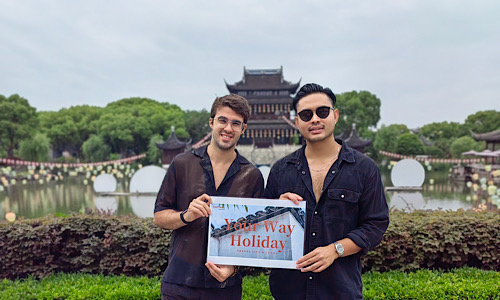 Classic Suzhou 1 Day Tour With Suzhou Hotel & Train Station Pickup
3. Autumn in Suzhou (September-November):Osmanthus Fragrance, Clear Skies & Comfortable Getaways
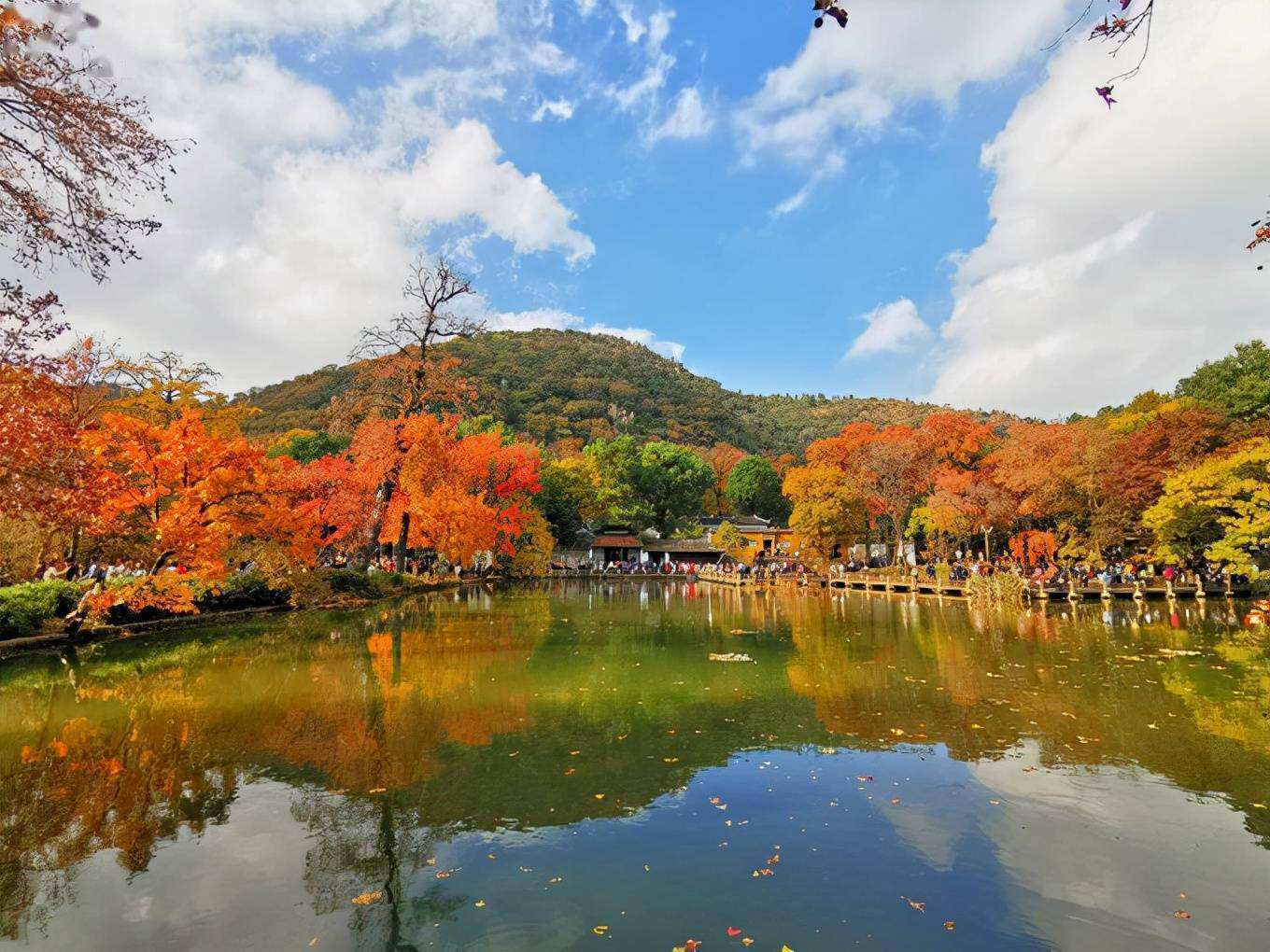
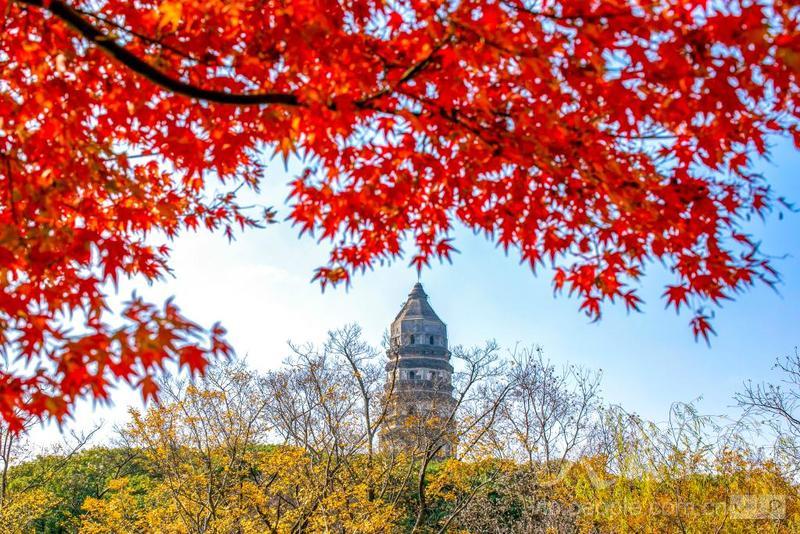
Autumn is the most comfortable season to visit Suzhou, with cool and pleasant weather, sufficient sunlight, low humidity, and the whole city filled with the fragrance of osmanthus. The temperature is moderate, there is little rain, and the sky is clear, making it suitable for all kinds of outdoor activities such as garden visits, water town tours, mountain hikes, and osmanthus appreciation. This season not only has beautiful natural scenery, but also has rich seasonal delicacies and unique cultural activities. The following is a detailed guide covering all dimensions such as climate, scenic spots, local experiences, food, and packing, helping you enjoy the most beautiful autumn in Suzhou.
1. Climate Overview
· Temperature
*September: 18°C-28°C, cool and comfortable, the temperature gradually drops, with obvious temperature difference between day and night (7-9°C), the most pleasant period of autumn.
*October: 12°C-22°C, moderate temperature, cool in the morning and evening, warm at noon, the best time to visit Suzhou.
*November: 6°C-16°C, gradually turning cold, the temperature drops significantly, especially in late November, with occasional cold air.
· Rainfall & Humidity
*Rainfall: September-November is the dry season in Suzhou, with 3-7 rainy days per month, mostly light rain or drizzle, and little heavy rain; the rainfall gradually decreases from September to November.
*Humidity: 60%-70%, low humidity, dry and comfortable air, no sticky feeling, which is very suitable for traveling.
· Weather Characteristics
*Mostly sunny or cloudy days, with clear skies, sufficient sunlight, gentle northerly winds, and cool and pleasant weather.
*Osmanthus fragrance fills the city: From late September to mid-October, osmanthus trees all over Suzhou are in full bloom, and the fragrance is overflowing, which is the most distinctive feature of Suzhou’s autumn.
*Obvious temperature difference between day and night: The temperature difference between morning and evening can reach 7-10°C, especially in October and November, so it is necessary to pay attention to keeping warm in the morning and evening.
*Occasional cold air in late November: The temperature drops suddenly, and there may be light frost, which is the transition period from autumn to winter.
2. Recommended Scenic Spots
Autumn in Suzhou is a season of "osmanthus appreciation and autumn scenery viewing". The following scenic spots are divided into categories such as osmanthus appreciation spots, classical gardens, ancient water towns, and mountain scenic spots, with detailed introduction of characteristics, suitable visiting time, and travel tips, helping you choose the most suitable attractions to enjoy the autumn beauty of Suzhou.
(1) Humble Administrator’s Garden
*Features: The largest classical garden in Suzhou, with many osmanthus trees planted around the pavilions and ponds. In autumn, osmanthus flowers bloom, and the fragrance blends with the garden’s scenery, forming a poetic picture. The autumn leaves in the garden are also very beautiful, with red and yellow leaves reflecting in the water.
*Best Visiting Time: 8:30-10:30 in the morning (less people, soft sunlight); early October to mid-October (osmanthus blooming and autumn leaves turning yellow).
*Travel Tips: Rent an electronic guide to understand the cultural connotation of the garden; wear comfortable shoes, as there are many walking paths in the garden; avoid visiting during peak hours (10:30-13:00).
(2) Tianping Mountain
*Features: Famous for its autumn red leaves and osmanthus flowers. In autumn, the maple leaves on the mountain turn red, and the osmanthus flowers at the foot of the mountain are in full bloom, with red leaves and yellow flowers contrasting beautifully. The mountain is not high, suitable for hiking and enjoying the autumn scenery.
*Best Visiting Time: 10:00-16:00 (sunny days, suitable for hiking and taking photos); late October to mid-November (maple leaves turning red and osmanthus blooming).
*Travel Tips: Wear comfortable sports shoes for hiking; bring water and snacks, as there are few catering facilities on the mountain; go early to avoid crowds, especially on weekends.
· Classical Gardens
(1) Lingering Garden
*Features: One of the four famous gardens in China, famous for its exquisite rockery, pavilions and corridors. In autumn, the chrysanthemums in the garden are in full bloom, matching with the ancient rockery and osmanthus flowers, showing the elegance of Jiangnan gardens. The autumn sunlight shines through the leaves, creating a warm and peaceful atmosphere.
*Best Visiting Time: 14:00-16:00 in the afternoon (warm sunlight, suitable for taking photos); mid-October to early November (chrysanthemums in full bloom).
*Travel Tips: The rockery area has complex paths, pay attention to safety when climbing; the garden is relatively small, avoid visiting during peak hours; taste osmanthus tea in the garden’s tea house.
(2) Master of the Nets Garden
*Features: Small but exquisite, known as "the most exquisite garden in Suzhou". In autumn, the garden is full of osmanthus fragrance, and the chrysanthemums are in full bloom. The small bridge over the water, the pavilions and the autumn scenery form a beautiful ink painting, which is very suitable for slow strolling and taking photos.
*Best Visiting Time: 8:30-10:00 in the morning (quiet, suitable for slow strolling); late September to mid-October.
*Travel Tips: The garden is located in a quiet alley, away from the noisy downtown; combine it with a visit to Pingjiang Road nearby to experience the autumn charm of the ancient street.
· Ancient Water Towns
(1) Zhouzhuang
*Features: Known as "the first water town in China", with crisscrossing canals, ancient bridges and old houses. In autumn, the willows by the canal turn yellow, and the osmanthus flowers in the courtyard of the old houses are in full bloom, showing the most authentic autumn charm of the water town. The autumn sunlight is warm, and the water in the canal is clear, reflecting the ancient houses and bridges.
*Best Visiting Time: 7:00-9:00 in the morning (before the tour group arrives, quiet and original); early October to mid-November.
*Travel Tips: Take a wooden boat tour of the canal to experience the autumn water town life; try local autumn snacks (such as osmanthus cakes, braised pork) by the canal; avoid the commercial street in the center, and walk in the alleys to find the original charm.
(2) Tongli
*Features: A "water town with more bridges than streets", with 49 bridges in the town, quiet and elegant environment, less commercialization than Zhouzhuang. In autumn, the osmanthus flowers by the bridge are in full bloom, and the autumn leaves fall into the canal, creating a poetic atmosphere. The local people dry autumn vegetables by the street, full of fireworks.
*Best Visiting Time: 10:00-15:00 (sunny days, suitable for taking photos of bridges and water); mid-October to late October.
*Travel Tips: Visit the "four gardens in Tongli" to experience the combination of water town and garden culture; stay in a water town homestay to enjoy the quiet autumn night by the river.
· Mountain Scenic Spots
(1) Taihu Lake East Mountain
*Features: Located on the east bank of Taihu Lake, surrounded by mountains and water, with dense vegetation. In autumn, the leaves on the mountain turn red and yellow, and the osmanthus flowers are in full bloom. You can hike in the mountains, enjoy the lake view, pick autumn fruits (such as persimmons, oranges), and experience rural autumn life.
*Best Visiting Time: 9:00-17:00 (cool all day); late September to mid-November.
*Travel Tips: Stay in a homestay by the lake for 1-2 days to experience the autumn night of Taihu Lake; pick autumn fruits in the orchard, and taste the fresh autumn flavor.
(2) Lingyan Mountain
*Features: A famous Buddhist mountain in Suzhou, with a history of over 2,000 years. In autumn, the mountain is covered with red and yellow leaves, and the osmanthus flowers are in full bloom, with a strong religious atmosphere and beautiful natural scenery. There are many historical sites on the mountain, such as Lingyan Temple and ancient stone carvings.
*Best Visiting Time: 9:00-16:00 (suitable for hiking and visiting historical sites); early October to mid-November.
*Travel Tips: Wear comfortable sports shoes for hiking; visit Lingyan Temple to experience the Buddhist culture; bring water and snacks, as there are few catering facilities on the mountain; the mountain is free of charge, but the temple needs to buy tickets.
3. Local Experience
Autumn in Suzhou is full of elegance and warmth. To truly experience the autumn of Suzhou, you must participate in seasonal activities, appreciate osmanthus and autumn leaves, experience intangible cultural heritage, and taste autumn delicacies, feeling the unique autumn charm of Jiangnan. The following local experiences are divided into seasonal activities, osmanthus-themed experiences, cultural experiences, and rural experiences, with detailed introduction of participation methods and precautions.
· Seasonal Activities
(1) Osmanthus Festival
*Time: Late September to mid-October, held in West Lake Osmanthus Garden, Humble Administrator’s Garden, Tianping Mountain and other places.
*Activities: Osmanthus appreciation, osmanthus photography competition, folk performances (Suzhou Pingtan, Kunqu Opera excerpt), osmanthus-themed snack fair, osmanthus flower arrangement experience, osmanthus wine making experience.
*Participation Tips: Buy tickets in advance online (15-20 yuan/person); go in the morning or afternoon to avoid crowds; wear light and comfortable clothes, and bring a camera to record the beautiful osmanthus flowers.
(2) Autumn Leaf Festival
*Time: Late October to mid-November, held in Tianping Mountain, Lingyan Mountain, Taihu Lake East Mountain and other places.
*Activities: Autumn leaf viewing, hiking, photography competition, folk culture performance, autumn fruit picking.
*Participation Tips: The festival is free of charge (some scenic spots need to buy tickets); go early to avoid crowds, especially on weekends; wear comfortable sports shoes for hiking; bring a camera to take photos of the autumn leaves.
(3) Mid-Autumn Festival Custom Experience
*Time: Mid-Autumn Festival (lunar August 15th), held in Pingjiang Road, Shantang Street, ancient water towns and other places.
*Activities: Moon viewing, moon cake making, lantern appreciation, Suzhou Pingtan performance, folk story telling (Mid-Autumn Festival legends).
*Participation Tips: Make an appointment in advance for moon cake making experience; go to the canal bank or lake side to view the moon at night, with a better view; wear a thin jacket, as the night is cool.
· Osmanthus-themed Experiences
(1) Osmanthus Tea Making Experience
*Location: Suzhou Tea House, Pingjiang Road Tea Workshop, West Lake Osmanthus Garden.
*Experience Content: Under the guidance of professional tea masters, pick fresh osmanthus flowers, dry them, and mix them with Biluochun or Longjing tea to make osmanthus tea. Learn the production process of osmanthus tea, taste the self-made osmanthus tea, and understand the tea culture of Suzhou.
*Tips: The experience fee is about 60-100 yuan/person, which takes 1-1.5 hours; the finished osmanthus tea can be taken away as a souvenir; pick osmanthus flowers gently to avoid damaging the trees.
(2) Osmanthus Wine Tasting & Making Experience
*Location: Pingjiang Road Wine Shop, Shantang Street Wine Shop, Suzhou Folk Custom Museum.
*Experience Content: Learn to make traditional osmanthus wine under the guidance of professional craftsmen (using fresh osmanthus flowers, rice wine and rock sugar), taste different grades of osmanthus wine, and understand the folk customs of osmanthus wine in Suzhou.
*Tips: The experience fee is about 80-120 yuan/person, which takes 1.5-2 hours; the finished osmanthus wine can be taken away after being brewed for a period of time; drink in moderation, as osmanthus wine has a certain alcohol content.
(3) Osmanthus Pastry Making Experience
*Location: Huangtianyuan (Guanqian Street Store), Suzhou Pastry Shop, Pingjiang Road Pastry Workshop.
*Experience Content: Under the guidance of professional pastry chefs, learn to make osmanthus cakes (using glutinous rice flour, osmanthus honey and sugar), knead the dough, shape it, and steam it. Taste the self-made osmanthus cakes, and experience the production process of Suzhou pastries.
*Tips: The experience fee is about 50-80 yuan/person, which takes 1 hour; the finished osmanthus cakes can be taken away; the operation is simple, suitable for all ages.
· Cultural Experiences
(1) Kunqu Opera Night Performance
*Location: Suzhou Kunqu Opera Theatre, Pingjiang Road Kunqu Opera Tea House.
*Experience Content: Watch Kunqu Opera excerpts (such as "The Peony Pavilion·Garden Tour", "The Jade Hairpin·Meeting at the Temple") at night, with warm lighting and a quiet atmosphere, which is very suitable for autumn nights. You can also wear Kunqu Opera costumes to take photos and learn basic Kunqu Opera gestures.
*Tips: The ticket for the performance is about 60-120 yuan/person; book tickets in advance online, especially on weekends; wear a thin jacket, as the night is cool; keep quiet during the performance to maintain the atmosphere.
(2) Suzhou Pingtan Experience
*Location: Pingjiang Road Tea House, Shantang Street Tea House, Suzhou Pingtan Theatre.
*Experience Content: Listen to Suzhou Pingtan (ballad singing) in the tea house, order a pot of osmanthus tea, taste osmanthus cakes, and enjoy the quiet autumn afternoon or evening. You can also learn basic Pingtan tunes under the guidance of the performers.
*Tips: The consumption is about 50-100 yuan/person; choose a tea house by the river for a better view; avoid talking loudly during the performance.
· Rural Experiences
(1) Autumn Fruit Picking
*Location: Taihu Lake East Mountain, West Mountain, Tianping Mountain Orchard.
*Experience Content: Pick seasonal autumn fruits (such as persimmons, oranges, jujubes, pears), taste fresh fruits on the spot, and experience the fun of rural harvest. The orchard is surrounded by mountains and water, and the autumn scenery is beautiful.
*Tips: The picking fee is about 20-30 yuan/person, and you can take a certain amount of picked fruits home; wear comfortable clothes and shoes, avoid wearing light-colored clothes, which are easy to get dirty; pick fruits gently to avoid damaging the fruit trees.
(2) Rural Homestay Experience
*Location: Taihu Lake East Mountain, West Mountain, Tongli Water Town Homestay.
*Experience Content: Stay in a rural homestay, eat farm dishes made of seasonal autumn ingredients, go for a walk in the countryside in the morning and evening, enjoy the autumn scenery, and experience the quiet rural life. Some homestays also provide osmanthus cake making, tea making and other experiences.
*Tips: Book homestays in advance online, especially on weekends; try local farm dishes (such as braised chicken, stewed pork ribs, seasonal vegetables); bring a thin jacket, as the rural night is cooler than the urban area.
4. Seasonal Food
Suzhou’s autumn food is mainly fresh, tender and fragrant, adhering to the concept of "eating in season", integrating the fragrance of osmanthus and the freshness of seasonal ingredients, which is delicious and nourishing. The following foods are divided into main dishes, snacks, desserts and drinks, with detailed introduction of characteristics, recommended restaurants and eating tips, allowing you to taste the most authentic "autumn flavor of Suzhou".
· Main Dishes
(1) Braised Pork with Osmanthus
*Features: A classic Suzhou dish, autumn osmanthus buds are added to the braised pork ribs, making the ribs soft and glutinous, sweet and sour, with a strong osmanthus fragrance. The meat is tender and not greasy, which is the most representative autumn dish in Suzhou.
*Recommended Restaurant: Deyuelou (Guanqian Street Store), Songhelou (Shantang Street Store).
*Eating Tips: Eat it hot, as the cold dish will lose the osmanthus fragrance and the tenderness of the meat; it is suitable for matching with white rice, and the soup can be poured over the rice for better taste.
(2) Steamed Hairy Crab
*Features: Autumn is the season when hairy crabs are the most plump. Suzhou’s Taihu Lake hairy crabs are famous for their fat and tender meat, rich roe, and fresh and delicious taste. Steamed with ginger and scallions, without adding too many seasonings, highlighting the original flavor of the crab.
*Recommended Restaurant: Taihu Lake Lakeside Restaurant, Tongli Water Town Restaurant.
*Eating Tips: Choose live crabs to ensure freshness; eat with ginger vinegar to relieve the coldness of the crab; do not eat too much, as crabs are cold and may cause stomach discomfort; avoid eating with persimmons and other foods.
· Snacks
(1) Osmanthus Cake
*Features: A classic Suzhou snack, made of glutinous rice flour, osmanthus honey and sugar, soft and delicate, with a strong osmanthus fragrance, sweet but not greasy. It is the most representative autumn snack in Suzhou, and it is also a good souvenir.
*Recommended Store: Huangtianyuan (Guanqian Street Store), Laoma Food Store (Pingjiang Road Store).
*Eating Tips: It can be eaten as a snack or after a meal; it is suitable for matching with osmanthus tea or Biluochun to relieve sweetness; store it in a cool and dry place to avoid getting damp.
(2) Chestnut Cake
*Features: Made of chestnut puree, glutinous rice flour and sugar, soft and glutinous, sweet and fragrant, with a strong chestnut fragrance. It is a warm and nourishing autumn snack, suitable for eating in cool autumn.
*Recommended Store: Suzhou Pastry Shop (Guanqian Street), Pingjiang Road Pastry Shop.
*Eating Tips: Eat it hot, which is more warm and delicious; it is not easy to digest, so do not eat too much; it is suitable for matching with hot tea.
(3) Osmanthus Glutinous Rice Balls
*Features: Glutinous rice balls with red bean paste or sesame paste filling, boiled in osmanthus syrup, soft and glutinous, sweet and fragrant, with a light osmanthus fragrance. It is a warm and sweet autumn snack, suitable for eating in the morning or evening.
*Recommended Store: Suzhou Snack Center (Guanqian Street), Pingjiang Road Snack Shop.
*Eating Tips: Eat it hot, but be careful of scalding; the filling is sweet, so do not eat too much; it is suitable for people who like sweet food.
· Desserts
(1) Osmanthus Syrup Lotus Root
*Features: Fresh lotus root is stuffed with glutinous rice, steamed with rock sugar and osmanthus honey, the lotus root is crisp and tender, the glutinous rice is soft and glutinous, sweet and fragrant, with a strong osmanthus fragrance. It is a classic autumn dessert in Suzhou, which can be eaten hot or cold.
*Recommended Store: Huangtianyuan, Suzhou Pastry Shop.
*Eating Tips: Cold eating is refreshing, hot eating is warm, which can be chosen according to personal preference; it is suitable for eating after meals to relieve greasiness.
(2) Chestnut Paste
*Features: Made of chestnut puree, rock sugar and lily, boiled until thick, soft and delicate, sweet and fragrant, with a strong chestnut fragrance. It is warm and nourishing, suitable for autumn dessert, and can nourish the stomach and invigorate the spleen.
*Recommended Store: Pingjiang Road Dessert Shop, Suzhou Pastry Museum.
*Eating Tips: It is best to eat it hot, which is more warm and delicious; add a little osmanthus honey to enhance the taste; it is not easy to digest, so do not eat too much.
· Drinks
(1) Osmanthus Tea
*Features: Made of fresh osmanthus flowers and Biluochun or Longjing tea, brewed with hot water, the tea is clear and yellow, with a strong osmanthus fragrance, fresh and sweet, which can moisten the throat and refresh the mind. It is the most representative autumn drink in Suzhou.
*Recommended Purchase Channel: Suzhou Tea House, West Lake Osmanthus Garden, Pingjiang Road Tea Workshop.
*Drinking Tips: Use 80°C-85°C hot water to brew, the brewing time is 3-5 minutes; add a little rock sugar to enhance the sweetness; it is suitable for drinking in the afternoon or evening.
(2) Osmanthus Wine
*Features: Made of fresh osmanthus flowers, rice wine and rock sugar, brewed for a long time, the wine is light yellow, with a strong osmanthus fragrance, low alcohol content, sweet and mellow, suitable for autumn drinking. It can dispel cold and nourish the body.
*Recommended Store: Pingjiang Road Wine Shop, Shantang Street Wine Shop.
*Drinking Tips: Drink it at room temperature or slightly warm, which is more delicious; it is low in alcohol, but do not drink too much; it is not suitable for pregnant women and children.
5. Packing Suggestions
Autumn in Suzhou is cool and comfortable, with obvious temperature difference between day and night, low humidity and little rain. The packing principle is "layered dressing, warm and comfortable", and the following is a detailed classification of upper clothes, lower clothes, accessories and special supplies to help you pack reasonably and comfortably.
· Upper Clothes
*September: Short-sleeve T-shirt, thin long-sleeve shirt, light cardigan or windbreaker (for cool mornings and evenings); choose breathable fabrics such as cotton and linen, which are comfortable and not stuffy.
*October: Long-sleeve shirt, thin sweater, windbreaker or light down jacket (for cool mornings and evenings); layered dressing is recommended, which can be added or removed according to the temperature change.
*November: Thick sweater, down jacket or woolen coat, thermal underwear (for cold weather); choose warm and windproof fabrics, such as down, wool, to keep warm.
*Key Tips: Choose warm and elegant colors (brown, beige, dark green, red) to match the autumn scenery; avoid too light colors, which are not warm enough; fabrics such as cotton, wool and down are preferred.
· Lower Clothes
*September: Jeans, casual pants, thin leggings; choose breathable and comfortable fabrics, avoid thick pants.
*October: Jeans, woolen pants, thick leggings; choose warm fabrics, such as wool, cotton, to keep legs warm.
*November: Thick jeans, woolen pants, thermal pants; choose windproof and warm fabrics, avoid thin pants, to prevent cold legs.
*Key Tips: Choose loose-fitting pants for comfort when strolling and hiking; avoid tight-fitting pants, which are not warm enough; light-colored pants are suitable for September, and dark-colored pants are suitable for October and November.
· Comfort & Safety Tips
*Layered dressing: Add or remove clothes according to temperature.
*Sun protection: UV is strong in autumn; use sunscreen.
*Drink water: Dry weather, stay hydrated.
*Maple-viewing safety: Walk carefully on mountain paths.
Winter in Suzhou is cold and slightly damp, with occasional light snowfall, but it possesses a unique quiet charm—the classical gardens covered in thin snow are like ink paintings, the ancient water towns are free from crowds and full of tranquility, and the warm seasonal delicacies and cozy tea houses can dispel the cold. This season is suitable for appreciating snow scenes in gardens, wandering in quiet water towns, experiencing indoor cultural activities, and tasting warm winter food. The following is a detailed guide covering all dimensions such as climate, scenic spots, local experiences, food, and packing, helping you spend a comfortable and pleasant winter in Suzhou.
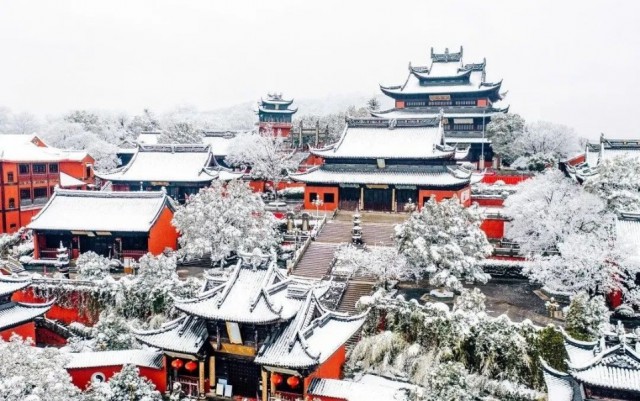
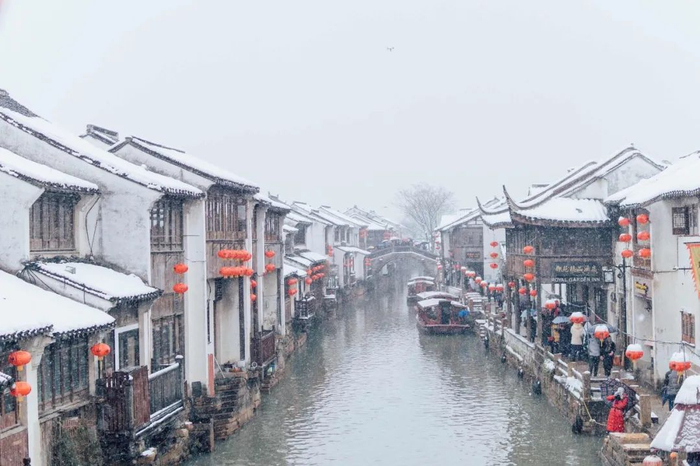
1. Climate Overview
· Temperature
*December: 3°C-12°C, cold and dry, the temperature drops significantly, and the morning and evening are relatively cold.
*January: 1°C-10°C, the coldest month in Suzhou, with occasional frost, and the minimum temperature can reach 0°C or below.
*February: 2°C-8°C, the temperature gradually rises, and the cold eases slightly as it approaches the Spring Festival; occasional light snowfall adds winter charm.
· Rainfall & Humidity
*Rainfall: December-February is the period with the least rainfall in Suzhou, with 4-8 rainy days per month; most of them are light rain, and light snow occasionally occurs in January-February, which is short-lived and not easy to accumulate.
*Humidity: 65%-80%, high humidity, which makes the cold feel more penetrating (the so-called "damp cold"); the air is dry in late December, and the humidity increases slightly in February.
· Weather Characteristics
*Damp and Cold: The cold is accompanied by high humidity, which is easy to feel chilly to the bone; it is different from the dry cold in the north, and it is more important to keep warm in all parts of the body.
*Occasional Light Snow: Light snow usually falls in late January to early February, and the classical gardens and ancient water towns covered in thin snow are extremely beautiful, showing the unique winter elegance of Jiangnan.
*Short Days and Long Nights: The days are short, the sun sets early (around 17:00), and the outdoor activities are suitable for the warm afternoon; the nights are cold, so it is recommended to reduce going out.
2. Recommended Scenic Spots
Winter in Suzhou is a season of "appreciating snow and seeking warmth". The following scenic spots are divided into snow viewing spots, quiet water towns, indoor warm attractions, and winter leisure spots, with detailed introduction of characteristics, suitable visiting time, and travel tips, helping you choose the most comfortable attractions to spend the winter.
· Snow Viewing Spots
(1) Humble Administrator’s Garden
*Features: The largest classical garden in Suzhou, with pavilions, terraces, corridors and lakes. When it snows, the white snow covers the red pillars and green tiles, and the plum blossoms in the garden are in bud, forming a poetic picture of "snow in the garden, plum fragrance floating".
*Best Visiting Time: 9:00-11:30 in the morning (the snow has not melted, the light is soft, and the scenery is the most beautiful); after snowfall in late January-early February.
*Travel Tips: Wear warm and non-slip shoes, as the stone roads are slippery after snow; bring a warm water bottle to keep warm; avoid visiting in the morning when the temperature is the lowest.
(2) Master-of-Nets Garden
*Features: Small and exquisite, with a compact layout. The snow scene here is more delicate and quiet. The snow on the rockery, the frost on the bamboo leaves, and the reflection of snow in the pool are like a small ink painting, which is very suitable for quiet appreciation.
*Best Visiting Time: 10:00-15:00 (warmest time of the day); after light snow.
*Travel Tips: The garden is small, so it is suitable for slow strolling and photography; there are indoor rest areas, you can take a break to keep warm when you feel cold.
(3) Tianping Mountain
*Features: Known for red maple leaves in autumn, it is also a good place to appreciate snow in winter. The snow covers the maple trees, and the red and white contrast is very beautiful; the mountain is not high, suitable for light hiking to enjoy the snow scene.
*Best Visiting Time: 10:00-16:00 (avoid morning frost); after snowfall.
*Travel Tips: Wear warm and windproof clothes, as the mountain wind is strong; the mountain road is slippery after snow, so take care when walking; bring snacks and warm water to replenish energy.
· Quiet Water Towns
(1) Luzhi
*Features: Less commercialization, simple folk customs, and extremely quiet in winter. The canal water is clear, the ancient houses are built along the river, and there are few tourists, so you can quietly feel the original water town life; the mist on the canal in the morning adds a sense of tranquility.
*Best Visiting Time: 10:00-16:00 (warm afternoon); December-February.
*Travel Tips: Stay in a water town homestay with heating, and enjoy the quiet night by the river; try local warm snacks by the canal to dispel the cold.
(2) Tongli
*Features: The water town is surrounded by water, with crisscrossing canals. In winter, the water town is free from the hustle and bustle of summer, and the gray tiles and white walls are set off by the cold air, showing a more simple and elegant charm; you can take a warm boat tour of the canal.
*Best Visiting Time: 9:30-15:30; December-February (avoid rainy and snowy days).
*Travel Tips: Take a covered boat tour, which is warm and can enjoy the water town scenery; wear a scarf and gloves to keep warm when walking along the canal.
· Indoor Warm Attractions
(1) Suzhou Museum
*Features: Designed by the famous architect I.M. Pei, the building combines classical and modern styles. It is warm and comfortable indoors, with a large number of cultural relics, calligraphy and paintings on display, which is suitable for avoiding the cold and appreciating culture.
*Best Visiting Time: 10:00-14:00 (the warmest time, fewer people); December-February.
*Travel Tips: Make an appointment online in advance (free of charge); the museum is air-conditioned, so you can take off your thick coat appropriately; do not touch the cultural relics when visiting.
(2) Suzhou Kunqu Opera Museum
*Features: It is a professional museum displaying Kunqu Opera culture, with a warm indoor environment. You can watch Kunqu Opera excerpts (paid) and understand the history and art of Kunqu Opera, which is a unique indoor cultural experience in winter.
*Best Visiting Time: 14:00-16:00 (there are often Kunqu Opera performances); December-February.
*Travel Tips: Buy performance tickets in advance; wear comfortable clothes, and the performance hall is warm; keep quiet during the performance.
· Winter Leisure Spots
(1) Pingjiang Road Tea Houses
*Features: The tea houses on Pingjiang Road are quiet and elegant, with heating indoors. You can order a pot of hot tea, taste pastries, and watch the snow scene outside the window (if it snows), which is the most cozy winter leisure way.
*Best Visiting Time: 13:00-17:00 (afternoon leisure time); December-February.
*Travel Tips: Choose a tea house with a window view to enjoy the scenery; recommend ordering osmanthus black tea or ginger jujube tea to keep warm; the consumption is about 50-100 yuan/person.
(2) Shihu Scenic Area
*Features: Surrounded by mountains and water, the lake surface is calm in winter, and the air is fresh. The afternoon sun is warm, suitable for slow walking along the lake; there are many catering facilities nearby, which is convenient to taste warm food.
*Best Visiting Time: 14:00-17:00 (warm sun, beautiful sunset); December-February (sunny days).
*Travel Tips: Wear warm and windproof clothes, as the lake wind is slightly cold; bring a warm water bottle; avoid going out in the evening when the temperature drops sharply.
3. Local Experience
Winter in Suzhou is full of warmth and tranquility. To truly experience the winter of Suzhou, you must participate in local winter activities, experience the warm winter customs, taste warm delicacies, and feel the unique winter charm of Jiangnan. The following local experiences are divided into seasonal activities, warm winter experiences, cultural experiences, and folk customs experiences, with detailed introduction of participation methods and precautions.
· Seasonal Activities
(1) Plum Blossom Festival
*Time: Late January to mid-February, held in Humble Administrator’s Garden, Master-of-Nets Garden, and other scenic spots.
*Activities: Plum blossom viewing, plum blossom photography competition, Kunqu Opera performances, plum blossom-themed pastry tasting, plum blossom arrangement experience.
*Participation Tips: Buy tickets in advance online (20-30 yuan/person); go in the afternoon when the temperature is warm; wear warm clothes, as it is still cold in the garden.
(2) Winter Hot Pot Festival
*Time: December to February, held in Guanqian Street, Shantang Street, and other catering gathering areas.
*Activities: Tasting various types of hot pot (Jiangnan clear soup hot pot, mutton hot pot), hot pot eating competition, local food exhibition.
*Participation Tips: The festival is free of charge; choose regular hot pot restaurants to ensure hygiene; do not eat too much to avoid gastrointestinal discomfort.
· Warm Winter Experiences
(1) Canal Warm Boat Tour
*Route: Pingjiang Road Wharf - Ancient Canal Scenic Area (round trip, about 1 hour), Shantang Street Wharf - Hanshan Temple Wharf (one-way, about 1.5 hours).
*Experience Content: Take a covered and heated boat, enjoy the winter scenery of the canal (ancient houses, bridges, mist), listen to the boatman’s introduction of the canal’s history, and drink hot tea on the boat to keep warm.
*Tips: Book tickets in advance online, especially on weekends; bring a thin scarf, as the boat may be slightly cold when passing through the wind.
(2) Tea House Warm Leisure
*Location: Pingjiang Road, Shantang Street, old tea houses in the city (such as Wanghai Tower, Yide Tea House).
*Experience Content: Order a pot of hot tea (such as osmanthus black tea, ginger jujube tea), taste winter pastries (such as chestnut cake, sesame paste cake), sit by the window, and spend a quiet and warm afternoon.
*Tips: The consumption is about 60-120 yuan/person; choose a tea house with heating and good ventilation; avoid going to tea houses during peak hours (14:00-16:00).
(3) Winter Homestay Experience
*Location: Taihu Lake East Mountain, West Mountain, Pingjiang Road, ancient water towns (Tongli, Luzhi).
*Experience Content: Stay in a homestay with heating, taste home-cooked winter meals (such as braised mutton, red bean porridge), go for a walk in the surrounding area in the afternoon, and enjoy the quiet winter night.
*Tips: Book homestays in advance, especially near the Spring Festival; choose homestays that provide hot pot or home-cooked meals for a warmer experience.
· Cultural Experiences
(1) Kunqu Opera Appreciation
*Location: Suzhou Kunqu Opera Museum, Liyuan Opera House, old tea houses on Pingjiang Road.
*Experience Content: Watch classic Kunqu Opera excerpts (such as "The Peony Pavilion"), understand the singing art and costumes of Kunqu Opera, and even experience simple Kunqu Opera movements under the guidance of professionals.
*Tips: Buy tickets in advance (50-150 yuan/person); arrive 15 minutes in advance to find a seat; wear neat clothes, and keep quiet during the performance.
(2) Traditional Pastry Making Experience
*Location: Suzhou Pastry Shop (Guanqian Street), Pingjiang Road Handicraft Workshop.
*Experience Content: Under the guidance of professional pastry chefs, learn to make winter traditional pastries (such as chestnut cake, osmanthus cake), understand the production process and folk customs of Suzhou pastries.
*Tips: The experience fee is about 80-120 yuan/person, which takes 1-1.5 hours; the finished pastries can be taken away; wash hands before making, and follow the chef’s guidance.
· Folk Customs Experiences
(1) Laba Festival Custom Experience
*Custom Introduction: Laba Festival (lunar December 8th) is an important traditional festival in Suzhou. Local people have the custom of drinking "Laba porridge" (made of glutinous rice, red beans, peanuts, lotus seeds and other ingredients), which means "blessing and peace".
*Experience Method: Go to local old temples (such as Hanshan Temple, Lingyan Temple) to receive free Laba porridge; participate in Laba porridge making activities in some communities or homestays.
*Tips: Go early on Laba Festival, as the porridge is limited; Laba porridge is warm and nourishing, but people with indigestion should eat less.
(2) Spring Festival Custom Tour
*Time: Late January to early February (around the Spring Festival).
*Activities: Visit temple fairs (Guanqian Street Temple Fair, Hanshan Temple Temple Fair), stick Spring Festival couplets, paste window grilles, watch lion dances and dragon dances, and experience the strong Spring Festival atmosphere in Suzhou.
*Participation Tips: Wear warm clothes, as the temple fair is held outdoors; take care of personal belongings, as there are many people; respect local folk customs when participating in activities.
4. Seasonal Food
Suzhou’s winter food is mainly warm, nourishing and delicious, adhering to the concept of "eating in season", which can dispel the cold and nourish the body. The following foods are divided into main dishes, snacks, desserts and drinks, with detailed introduction of characteristics, recommended restaurants and eating tips, allowing you to taste the most authentic "winter flavor of Suzhou".
· Main Dishes
(1) Braised Mutton with Soy Sauce
*Features: Made of local fresh mutton, braised with soy sauce, rock sugar, ginger and other seasonings, the meat is tender and not greasy, the soup is rich and fragrant, warm and nourishing, and it is a classic winter dish in Suzhou.
*Recommended Restaurant: Suzhou Mutton Restaurant (Guanqian Street Store), Laoma Mutton Shop (Pingjiang Road Store).
*Eating Tips: Eat it hot, which is more warm and delicious; it is suitable for matching with white rice or noodles, and the soup can be poured over the rice for better taste; avoid eating with cold drinks to prevent stomach discomfort.
(2) Braised Pork with Brown Sauce
*Features: Made of pork belly, braised with soy sauce, rock sugar and Shaoxing wine, the meat is soft and glutinous, fat but not greasy, warm and nourishing, suitable for winter consumption.
*Recommended Restaurant: Songhelou (Shantang Street Store), Deyuelou (Guanqian Street Store).
*Eating Tips: Eat it in moderation, as it is high in fat; it is best to eat it with green vegetables to relieve greasiness; eat it hot for better taste.
(3) Stewed Chicken with Chestnuts
*Features: Fresh chicken and winter chestnuts are stewed together, the chicken is tender and juicy, the chestnuts are soft and glutinous, the soup is clear and delicious, warm and nourishing, which can dispel the cold and replenish energy.
*Recommended Restaurant: Wuzhengtang (Pingjiang Road Store), Suzhou Hotel.
*Eating Tips: Stew it for a long time to make the chicken and chestnuts more flavorful; drink the soup first to warm the body, then eat the meat and chestnuts.
· Snacks
(1) Roasted Chestnuts
*Features: Suzhou’s classic winter snack, made of fresh chestnuts, stir-fried with rock sugar and sand, the shell is crispy, the meat is soft and glutinous, sweet and fragrant, warm in the hand and sweet in the mouth.
*Recommended Store: Suzhou Roasted Chestnut Shop (Guanqian Street), Pingjiang Road Roasted Chestnut Stand.
*Eating Tips: Eat it while it’s hot, as it will become hard when cold; be careful of the hot shell and inner skin; do not eat too much, as it is not easy to digest.
(2) Sweet Potato Porridge
*Features: Made of glutinous rice, sweet potato and rock sugar, boiled until soft and glutinous, the porridge is thick and sweet, warm and nourishing, easy to digest, suitable for breakfast or evening food in winter.
*Recommended Store: Huangtianyuan (Guanqian Street Store), Suzhou Snack Center.
*Eating Tips: Eat it hot, which is more warm and comfortable; add a little osmanthus honey to enhance the taste; it is a light food, suitable for eating when you are not very hungry.
(3) Sesame Paste
*Features: Made of black sesame and glutinous rice flour, boiled with rock sugar, the paste is smooth and thick, sweet and fragrant, rich in nutrition, warm and nourishing, which can dispel the cold and moisten the lungs.
*Recommended Store: Suzhou Pastry Shop (Guanqian Street), Pingjiang Road Dessert Shop.
*Eating Tips: Eat it while it’s hot, as it will become thick when cold; it is sweet, so do not eat too much at one time; it is suitable for afternoon snacks.
· Desserts
(1) Red Bean Soup
*Features: Made of red beans, rock sugar and lily, boiled until the red beans are soft and rotten, the soup is thick and sweet, warm and nourishing, which can dispel the cold and nourish the blood, suitable for winter dessert.
*Recommended Store: Pingjiang Road Dessert Shop, Suzhou Pastry Museum.
*Eating Tips: Eat it hot or warm, which is more warm and comfortable; add a little lotus seeds to enhance the taste and nutrition; it is suitable for eating after meals to relieve greasiness.
(2) Chestnut Cake
*Features: Made of chestnut puree, glutinous rice flour and rock sugar, steamed until soft and glutinous, the cake is delicate and sweet, with a strong chestnut fragrance, warm and not greasy, suitable for winter snacks and desserts.
*Recommended Store: Huangtianyuan, Suzhou Pastry Shop (Guanqian Street).
*Eating Tips: Eat it with hot tea to relieve sweetness; store it in a cool and dry place, and heat it slightly before eating if it becomes hard.
· Drinks
(1) Ginger Jujube Tea
*Features: Made of fresh ginger, red dates and rock sugar, brewed with hot water, the tea is warm and spicy, sweet and fragrant, which can dispel cold and warm the stomach, suitable for winter drinking.
*Recommended Store: Pingjiang Road Tea House, Suzhou Tea House.
*Drinking Tips: Brew with boiling water, the brewing time is 5-10 minutes; add a little wolfberry to enhance nutrition; people with hot constitution should drink less.
(2) Osmanthus Black Tea
*Features: Made of black tea and osmanthus flowers, brewed with hot water, the tea is reddish brown, with a strong osmanthus fragrance and mellow taste, warm and refreshing, which can dispel the cold and moisten the throat.
*Recommended Store: Pingjiang Road Wine Shop, Shantang Street Tea House.
*Drinking Tips: Brew with 90°C hot water, the brewing time is 3-5 minutes; it can be drunk with rock sugar to enhance sweetness; it is suitable for drinking in the afternoon or evening.
5. Packing Suggestions
Winter in Suzhou is cold and damp, with low temperature, high humidity and occasional light snow. The packing principle is "warm, windproof, moisture-proof and non-slip", and the following is a detailed classification of upper clothes, lower clothes, accessories and special supplies to help you pack reasonably and comfortably.
· Upper Clothes
*December: Thermal underwear, thin sweater, thick windbreaker or down jacket (medium thickness); avoid wearing too thin clothes to prevent catching cold.
*January: Thermal underwear, thick sweater, thick down jacket (thickened style), windproof coat; focus on keeping warm, especially the neck and shoulders.
*February: Thermal underwear, thin sweater, medium-thickness down jacket or windbreaker; the temperature rises slightly, but it is still necessary to keep warm in the morning and evening.
*Key Tips: Choose clothes with good warmth retention and windproof performance (such as down jackets, woolen coats); the inner layer is made of breathable thermal underwear to avoid stuffiness; wear in layers, which is convenient to add or remove clothes according to the temperature.
· Lower Clothes
*December-January: Thermal pants, thick jeans or warm casual pants, fleece-lined pants; avoid tight-fitting pants, which are not conducive to keeping warm.
*February: Thermal pants, thin jeans or casual pants; you can reduce the thickness appropriately, but do not wear too thin.
*Key Tips: Choose thick, warm and breathable fabrics (such as cotton, wool); avoid wearing single-layer pants to prevent cold legs; prepare a pair of fleece-lined pants for cold days.
· Accessories
*Shoes: Warm and non-slip leather shoes, snow boots or cotton-padded shoes (fleece-lined, waterproof); avoid single-layer shoes or sandals; the sole should be non-slip to prevent slipping on rainy and snowy days.
*Hat: Thick woolen hat or down hat (covers the ears), which can prevent the head and ears from getting cold; choose a windproof style.
*Scarf: Woolen scarf or cashmere scarf, which can keep the neck warm; choose a long style to wrap around the neck for better warmth retention.
*Gloves: Fleece-lined gloves or leather gloves (windproof and waterproof); avoid thin gloves, which cannot keep warm; touch-screen gloves are recommended for convenience.
*Umbrella: Foldable waterproof umbrella or raincoat (essential); choose a windproof umbrella to avoid being blown over by strong winds; prepare a small snow shovel if necessary (for removing snow on shoes).
· Special Supplies
*Warm Supplies: Hand warmers (electric or disposable), warm water bottle (stainless steel, easy to carry), thermal stickers (for sticking on clothes to keep warm, especially for the waist and knees).
*Moisturizing Supplies: Facial cream, hand cream, lip balm (the air is dry in winter, which is easy to cause dry skin and chapped lips); body lotion (for night use to keep the skin moist).
*Moisture-proof Supplies: Drying agent (for luggage to prevent clothes from getting damp and moldy), moisture-proof bag (for storing clothes and electronic products).
Suzhou Climate Overview
1. Climate type and geographical influence
Suzhou’s climate is closely related to its geographical location and surrounding natural environment. Understanding its climate type and geographical influence factors can help travelers better adapt to the local weather and arrange their trips reasonably. The details are as follows:
1. Climate Type
· Basic Type: Suzhou belongs to a typical subtropical monsoon climate, which is one of the most representative climate types in eastern China.
· Monsoon Influence: Affected by the East Asian monsoon, it has obvious seasonal changes in wind direction and precipitation. The summer is dominated by southeast monsoon, which is hot and rainy; the winter is dominated by northwest monsoon, which is cold and dry.
· Annual Climate Overview: The annual average temperature is about 15.7°C, the annual average precipitation is about 1100mm, and the annual average humidity is above 70%, showing the characteristics of mild climate, sufficient rainfall and high humidity.
2. Geographical Influence Factors
· Taihu Lake Regulation: Taihu Lake, one of China’s largest freshwater lakes, is located near Suzhou, which plays a key role in regulating Suzhou’s climate:
*Temperature Regulation: The large water area of Taihu Lake can absorb and release heat, which moderates the extreme high temperature in summer and extreme low temperature in winter, making Suzhou’s summer cooler than inland cities and winter warmer than inland cities.
*Humidity Regulation: Taihu Lake evaporates a lot of water vapor, which increases the air humidity in Suzhou, creating the misty and soft “Jiangnan misty rain” scenery, which is an important part of Suzhou’s unique Jiangnan temperament.
*Microclimate Formation: The area around Taihu Lake forms a unique microclimate, with milder temperature, more uniform precipitation and fresher air, which is suitable for leisure and vacation.
· Topographic Influence: Suzhou is located in the Yangtze River Delta Plain, with flat terrain, no obvious mountains and hills blocking, which is conducive to the circulation of air mass, making the climate more uniform and the seasonal changes more obvious.
· Latitude Influence: Located at 30° north latitude, it is in the subtropical zone, with sufficient sunlight and moderate temperature, which lays the foundation for the formation of subtropical monsoon climate.
3. Climate Differences
· Compared with Northern China: Northern China is mostly temperate continental climate, with dry and cold winter, hot and rainy summer, and large temperature difference between day and night; while Suzhou has high humidity in four seasons, mild winter and summer, and small temperature difference between day and night.
· Compared with Southern Tropical Areas: Southern tropical areas have no obvious four seasons, high temperature and rainy all year round; while Suzhou has distinct four seasons, with obvious temperature changes between seasons.
· Compared with European and American Cities at the Same Latitude: European and American cities at the same latitude are mostly temperate oceanic climate, with mild and rainy all year round and small temperature difference; while Suzhou has higher annual humidity, more concentrated rainfall in summer and more obvious seasonal changes.
2. Core climatic characteristics
Suzhou’s climate has obvious characteristics, which are mainly reflected in four aspects: distinct four seasons, high humidity, concentrated rainfall and no extreme weather. Each characteristic is detailed as follows, helping travelers fully grasp the climate rules of Suzhou:
1. Four Distinct Seasons
· Spring (March-May): Mild and rainy, with temperatures rising steadily from 10°C (March) to 25°C (May), and frequent light drizzle, forming the poetic “Jiangnan spring rain” scenery.
· Summer (June-August): Hot and humid, with temperatures ranging from 25°C (June) to 35°C+ (July-August), high humidity, and the plum rain season in mid-June to mid-July, followed by “sauna weather”.
· Autumn (September-November): Cool and dry, with temperatures dropping from 28°C (September) to 15°C (November), moderate humidity, clear skies and beautiful autumn scenery, which is the most comfortable season.
· Winter (December-February): Cold and damp, with temperatures ranging from 0°C (January) to 12°C (December-February), high humidity, and occasional light snow, showing a quiet and elegant winter charm.
2. High Humidity
· Annual Humidity: The annual average humidity is above 70%, which is one of the most obvious characteristics of Suzhou’s climate.
· Seasonal Humidity Change: The humidity is the highest in summer (80-90%), followed by spring (65-75%), then winter (60-70%), and the lowest in autumn (55-65%).
· Impact on Life: High humidity may cause clothes to mildew, skin to be sticky, and even discomfort such as difficulty breathing for people who are not used to it, which needs to be prepared in advance.
· Adaptation Tips: Carry a small dehumidifier when staying for a long time, wear breathable and quick-drying clothes, and eat more food that dispels dampness (such as mung beans and barley).
3. Concentrated Rainfall
· Annual Precipitation: The annual average precipitation is about 1100mm, which is relatively abundant.
· Seasonal Rainfall Distribution: 60% of the annual rainfall is concentrated in summer (June-August), especially during the plum rain season (mid-June to mid-July), with continuous light rain; spring has more light drizzle; autumn and winter have less rainfall, and winter has few rainy days.
· Rainfall Characteristics: Spring rain is light and continuous, summer rain is heavy and concentrated (occasionally thunderstorms), autumn rain is rare and light, and winter rain is scarce.
4. No Extreme Weather
· Extreme Temperature: Unlike some areas in China, Suzhou rarely has extreme cold (temperatures rarely drop below -5°C) or extreme heat (temperatures rarely exceed 38°C), and the temperature is relatively mild.
· Typhoon: Typhoons are rare, and only occasionally affect Suzhou in late August, bringing short-term heavy rain and strong winds, which usually pass quickly and have little impact.
· Other Extreme Weather: There are almost no extreme weather such as heavy snow, hail and sandstorms, which is relatively safe for travel.
3. Climate-related precautions
Combined with Suzhou’s climate characteristics, there are many details that need to be paid attention to during travel, involving humidity adaptation, rainfall response, temperature adjustment and other aspects, which are detailed as follows to help travelers avoid discomfort and improve travel experience:
1. Humidity Adaptation Tips
· Accommodation Preparation: Choose accommodation with good ventilation and dehumidification facilities; if staying for more than 3 days, carry a small portable dehumidifier to reduce the dampness in the room.
· Clothing Selection: Wear breathable, quick-drying and lightweight clothes, avoid thick, non-breathable fabrics (such as woolen clothes in summer), and dry clothes in time after washing to prevent mildew.
· Physical Adaptation: Drink more warm water or scented tea (such as jasmine tea) to dispel dampness; eat more food that dispels dampness such as mung beans, barley, white gourd and winter melon; avoid eating too much cold food to prevent dampness from invading the body.
· Daily Care: Carry a small towel to wipe off the moisture on the skin at any time; apply moisturizer and lip balm to prevent skin dryness caused by high humidity (especially in air-conditioned rooms).
2. Rainfall Response Tips
· Daily Preparation: Carry a lightweight, foldable and windproof umbrella or raincoat with you, especially in spring and summer (plum rain season and thunderstorm season).
· Shoes Selection: Wear waterproof and non-slip shoes (such as waterproof sneakers, rain boots), avoid wearing leather shoes, canvas shoes and other shoes that are easy to get wet and slippery.
· Itinerary Adjustment: In case of continuous heavy rain, adjust the itinerary to indoor activities (such as museums, silk workshops, tea houses); avoid going to mountainous areas and water areas to prevent safety hazards such as landslides and waterlogging.
· Post-Rain Care: After raining, dry the shoes and clothes in time; if the road is slippery, walk carefully to avoid falling; pay attention to keeping warm to prevent catching a cold due to the drop in temperature after rain.
3. Temperature Adjustment Tips
· Layered Dressing: Suzhou has large temperature differences between day and night in spring and autumn, and between indoor and outdoor in winter and summer. It is recommended to wear layered clothes, which can be added or removed according to the temperature change.
· Summer Heatstroke Prevention: Avoid going out during the hottest period (11 AM to 3 PM); carry sunscreen, a wide-brimmed hat, sunglasses and heatstroke prevention medicines (such as Huoxiang Zhengqi Water); drink plenty of water and electrolytes to avoid dehydration.
· Winter Cold Protection: Suzhou’s winter is damp cold, which is more penetrating than dry cold. It is necessary to do a good job in keeping warm, especially the neck, hands and feet (scarves, gloves and warm socks are essential); choose waterproof and warm shoes to avoid damp feet.
· Temperature Adaptation: For travelers from areas with large climate differences, it is recommended to adapt to the local temperature for 1-2 days after arrival, and avoid strenuous activities to prevent physical discomfort.
4. Special Weather Tips
· Plum Rain Season: Pay attention to the weather forecast, carry rain gear with you, and keep the room ventilated; avoid wearing cotton-padded clothes and thick clothes to prevent mildew.
· Sauna Weather: Reduce outdoor activities, choose air-conditioned indoor places to avoid the heat; take a shower in time after going out to relieve the sticky feeling; eat more cool and refreshing food to relieve summer heat.
· Typhoon Period: Pay attention to the typhoon warning issued by the official; avoid going out when the typhoon comes; if you are outdoors, find a safe place to take shelter in time, and do not take shelter under trees or billboards.
· Light Snow in Winter: If it snows, pay attention to road safety, wear non-slip shoes; the scenic spots after snow are beautiful, but pay attention to keeping warm and preventing frostbite.
Best Travel Time
Suzhou is suitable for traveling all year round, and each season has its own unique charm:
· Spring (March-May): The most beautiful season in Suzhou, with warm weather, blooming flowers (peach blossoms, plum blossoms, wisteria), and the whole city full of vitality. It is suitable for garden visits, flower viewing and water town tours.
· Summer (June-August): Hot and humid, but with unique summer charm. The lotus flowers in the gardens are in full bloom, and the cool breeze from Taihu Lake relieves the summer heat. It is suitable for lotus viewing, night tours of ancient streets and summer leisure.
· Autumn (September-November): The most comfortable season for traveling, with cool weather, sufficient sunlight, low humidity, and the whole city filled with the fragrance of osmanthus. It is suitable for garden visits, mountain hikes and osmanthus appreciation.
· Winter (December-February): Cold and dry, with occasional snow. The classical gardens covered in snow are like ink paintings, quiet and elegant. It is suitable for visiting gardens in snow, tasting hot pot and experiencing the quiet winter of Suzhou.
Travel Notes
· ID Card: Must be carried with you when traveling, as it is required for checking into hotels, buying high-speed rail tickets and visiting some scenic spots (such as Hanshan Temple).
· Weather Forecast: Suzhou’s weather changes greatly in spring and autumn, with obvious temperature differences between day and night; summer has frequent rainfall and occasional typhoons; winter is cold. It is recommended to check the weather forecast in advance and prepare corresponding supplies.
· Scenic Spot Tickets: Most of Suzhou’s classical gardens and scenic spots need to buy tickets. It is recommended to buy tickets online in advance (such as on Ctrip, Fliggy) to avoid queuing for a long time; some scenic spots have preferential policies for students, the elderly and children, and relevant certificates can be carried.
· Language: Suzhou dialect is a branch of Wu dialect, which is difficult to understand, but most local people can speak Mandarin, so there is no need to worry about communication problems.
· Payment: Mobile payment (Alipay, WeChat) is widely used in Suzhou, and most shops, restaurants and scenic spots support mobile payment; it is recommended to carry a small amount of cash for emergency use (such as small stalls in ancient towns).
· Customs: Suzhou people are gentle and polite, pay attention to etiquette when communicating; when visiting classical gardens, keep quiet and do not litter or damage cultural relics; when taking photos in scenic spots, avoid disturbing other tourists.
Suzhou weather by Your Way Holiday’s Recommended
We design private and Tailor-made Suzhou Tours customized to your style of travel at affordable local prices. We will provide a private & spacious car and a local professional tour guide with over 5 years guiding experience only work for you or your group. Transport, ticket, and dining (We find the most authentic dishes popular with locals) all we will arrange for you according your requirements. Please check our most popular tours below:
 Exclusive Suzhou and Zhouzhuang Water Town Tour from Shanghai: A Scenic Journey by Car
 Sophisticated Suzhou Grand Canal Tour: A Day of Discovery from Shanghai
Are the above sample tour programs not suitable for you? Dont worry, our Suzhou tours can be tailor-made based on your requirements and budget to create unique Suzhou experiences that allow you to interact with the local people and culture. We are Suzhou travel experts who know what your guidebook and foreign agencies don't. Our enthusiastic tour expert will promptly reply you in details within 24 hours.
Wechat: YourWayHolidayAsia
24 Hours Hotline:
+86 137-3541-1378
* Authentic Experiences: Genuine local experiences that immerse you in the true essence of Suzhou and beyond.
* Safety First: Highest safety standards with secure activities and reliable transportation.
* Customizable Tours: Flexible itineraries tailored to your interests and needs.
* Local Expertise: In-depth knowledge of Suzhou and China, offering exclusive insights.
* Professional Guides: Licensed bilingual guides with over 5 years of experience.
* Comfortable Travel: Experienced drivers and well-maintained vehicles for a smooth journey.
* Sustainable Tourism:Commitment to responsible tourism and supporting local communities.
* Customer-Focused: Personalized service and continuous improvement based on your feedback.
* Free Cancellation: Cancel up to 24 hours before travel for flexibility and peace of mind.
* 24/7 Support: Round-the-clock assistance for any questions or help needed.
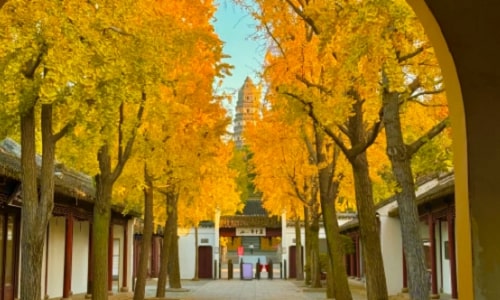 Tiger Hill (Huqiu) Travel Guide: Exploring Suzhou’s Iconic Leaning Pagoda
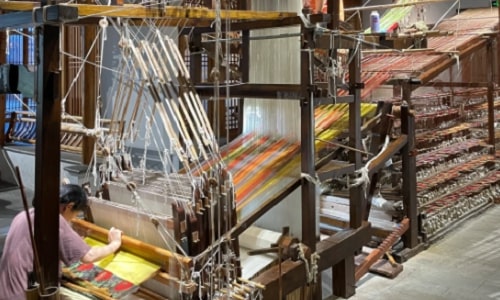 Exploring Suzhou No. 1 Silk Factory: A Journey into the Heart of China’s Silk Industry
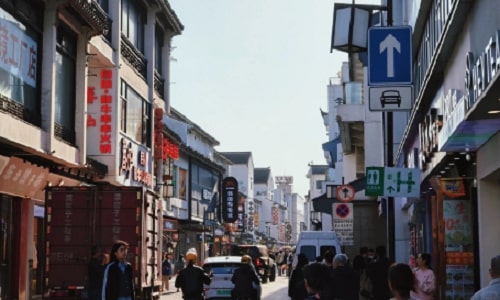 Exploring Guanqian Street in Suzhou: A Blend of Tradition, Shopping, and Local Flavors
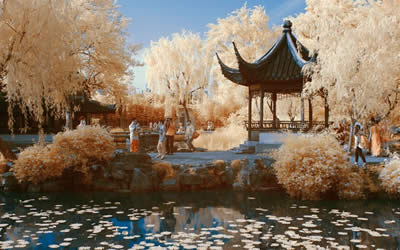 Humble Administrator’s Garden Suzhou: Complete Visitor Guide to Zhuozheng Garden, History, Highlights & Tips
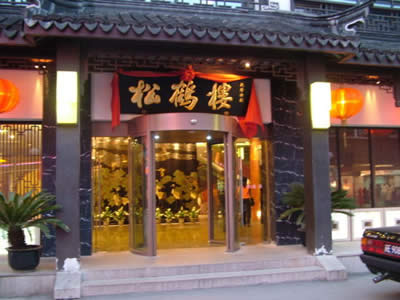 Song He Lou Suzhou: A Culinary Journey through Suzhou’s Historic Songhelou Restaurant
 Yangcheng Lake Hairy Crab Guide: The King of Crabs in China
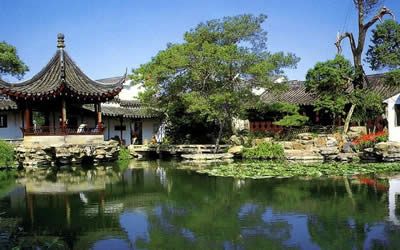 Master of the Nets Garden Suzhou: A Complete Guide to China’s Most Exquisite Classical Night Garden
 Jinji Lake Suzhou Travel Guide: What to See and Do Around Suzhou’s Modern Landmark
1 to 1 tailor-made service from our professional travel advisors for the most sophisticated
Constantly excellent reviews for attraction, hotel and service Competitive price
Local experts provide quality tours Best selected knowledgeable local guides Authentic local restaurants
7*24 hours available to create you a worry-free tour. No Hidden Fees and absolutely no pressure to buy. Secured









Copyright © 2017 Suzhouprivatetour.com All rights reserved. 浙ICP备18056007号-4