24 Hours Hotline: +86 137-3541-1378
Email:[email protected]
24 Hours Hotline: +86 137-3541-1378
Email:[email protected]
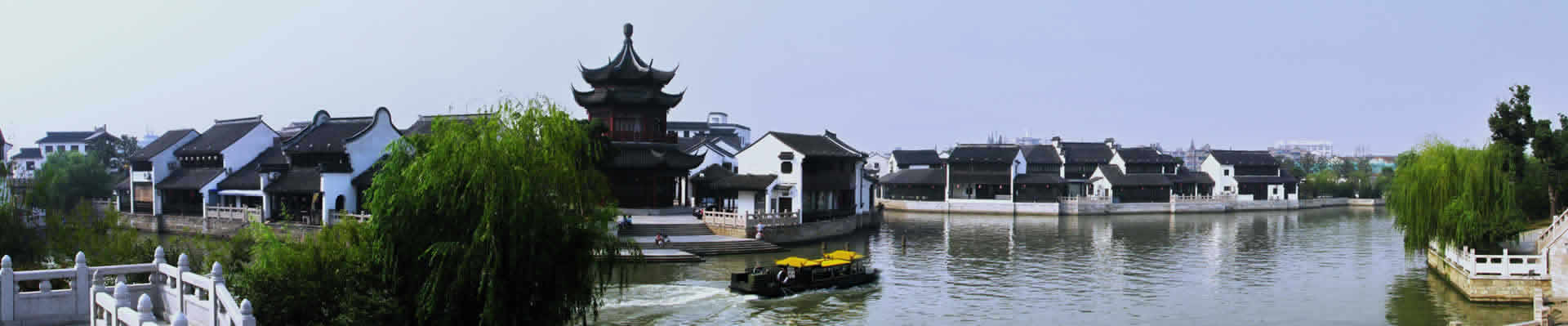
For over 1,000 years, the Chinese proverb “Above there is heaven, below there are Suzhou and Hangzhou” has crowned these two cities as the crown jewels of China’s Jiangnan water region. Whether you’re debating Suzhou vs Hangzhou for your next trip, planning a seamless journey on the fast train from Suzhou to Hangzhou, or wanting to pair both Hangzhou and Suzhou in one unforgettable itinerary, this guide has every accurate, actionable detail you need.
 Shanghai Hangzhou Suzhou Tour Package: 3 Days of Highlights
 5 Days Hangzhou Suzhou Heavenly Tour From Shanghai By High Speed Train
Overview of City Characteristics
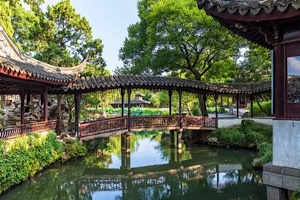
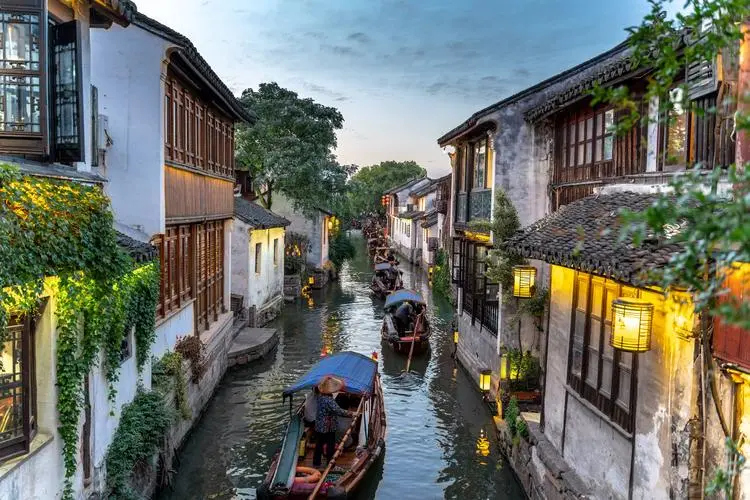
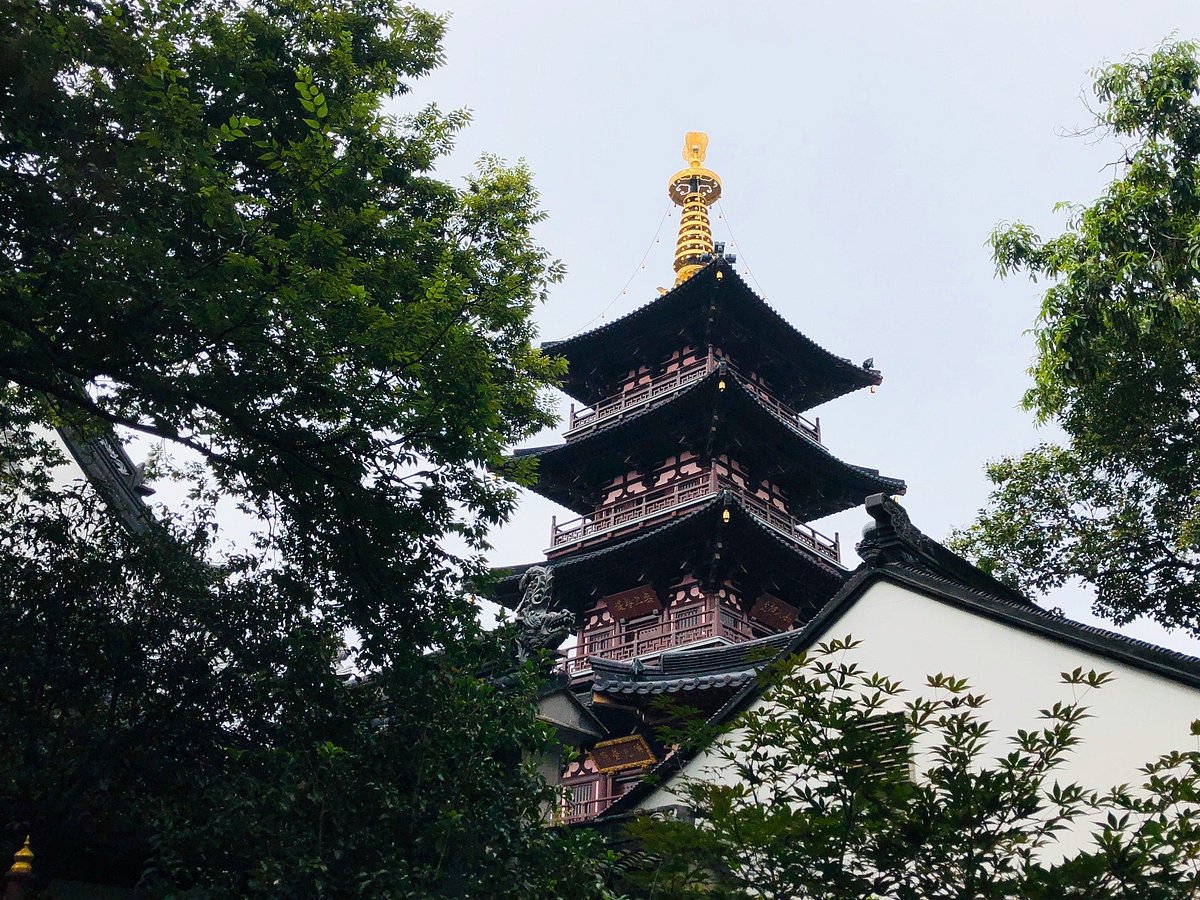
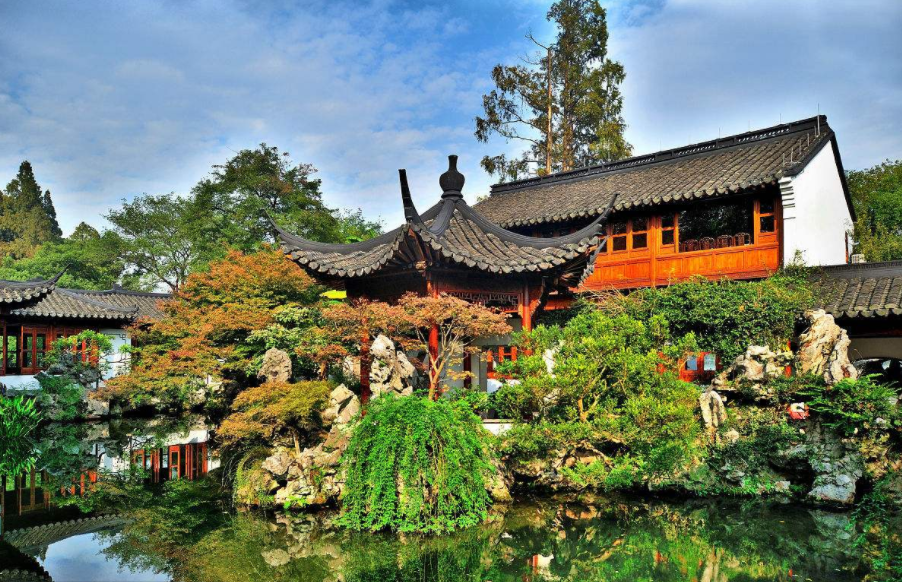
Steeped in 2,500 years of history, Suzhou is the unrivaled home of Chinese classical garden art, with 9 UNESCO World Heritage-listed gardens and iconic water towns that have earned it the nickname “Venice of the East”. It balances ancient silk-making heritage, well-preserved Ming and Qing dynasty architecture, and a burgeoning high-tech industrial sector, all while retaining its slow-paced, elegant Jiangnan charm.
As one of China’s seven ancient capitals, Hangzhou is world-famous for its UNESCO World Heritage West Lake, a poetic landscape of lakes, hills, and cultural relics that has inspired poets and artists for over a millennium. It blends imperial history, millennial tea culture, a thriving digital economy (home to Alibaba’s global headquarters), and modern urban convenience, offering a perfect mix of natural beauty and metropolitan comfort.
Traveler Needs & Selection Basis
This guide cuts through the noise to help you choose between Suzhou vs Hangzhou based on your unique travel style, with zero bias:
Choose Suzhou if you are a history buff, classical art lover, photography enthusiast, slow travel advocate, or someone craving immersive cultural experiences away from crowded urban centers.
Choose Hangzhou if you are a nature lover, family traveler, romantic getaway seeker, urban explorer, or someone wanting a mix of outdoor scenery, cultural stops, and modern leisure.
Choose both Hangzhou and Suzhou if you have 3+ days to explore, as the fast train from Suzhou to Hangzhou connects the two cities in as little as 1.5 hours, making a dual-city trip effortless and rewarding.
Shanghai Hangzhou Suzhou Tour Package: 3 Days of Highlights
5 Days Hangzhou Suzhou Heavenly Tour From Shanghai By High Speed Train
Suzhou vs Hangzhou: A Comparative Overview
Quick Comparison Table
| Core Dimension | Suzhou | Hangzhou |
| Core Identity | UNESCO Classical Garden Capital, "Venice of the East" | UNESCO West Lake City, "Heaven on Earth" |
| UNESCO World Heritage Sites | 9 Classical Gardens of Suzhou | West Lake Cultural Landscape |
| Fast Train Connection | 1h22m fastest ride to Hangzhou | 1h22m fastest ride to Suzhou |
| Ideal Trip Length | 1-2 days | 2-3 days |
| Average Daily Budget | $30-$80 per person | $35-$90 per person |
| Best For | History & art lovers, slow travel, photography | Nature lovers, family trips, romantic getaways |
| Core Highlights | Humble Administrator's Garden, Tongli Water Town, Pingjiang Road | West Lake, Lingyin Temple, Longjing Tea Village |
1. Comparison of Core Natural Scenery Features
1. Suzhou Classical Gardens
· Core Landscape Design Philosophy
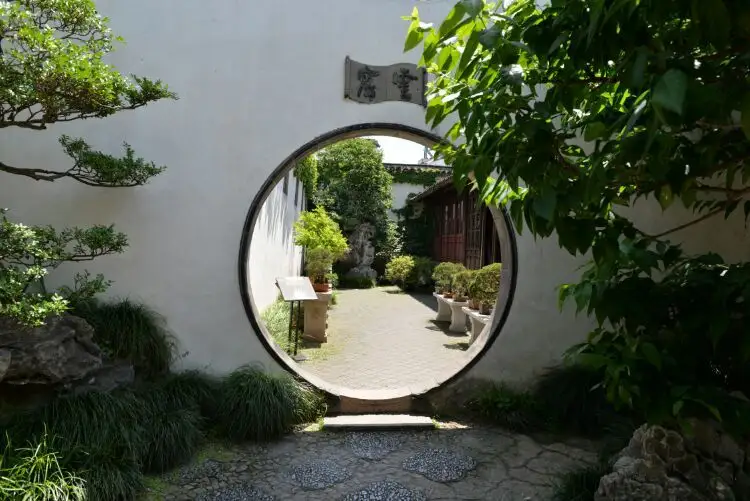
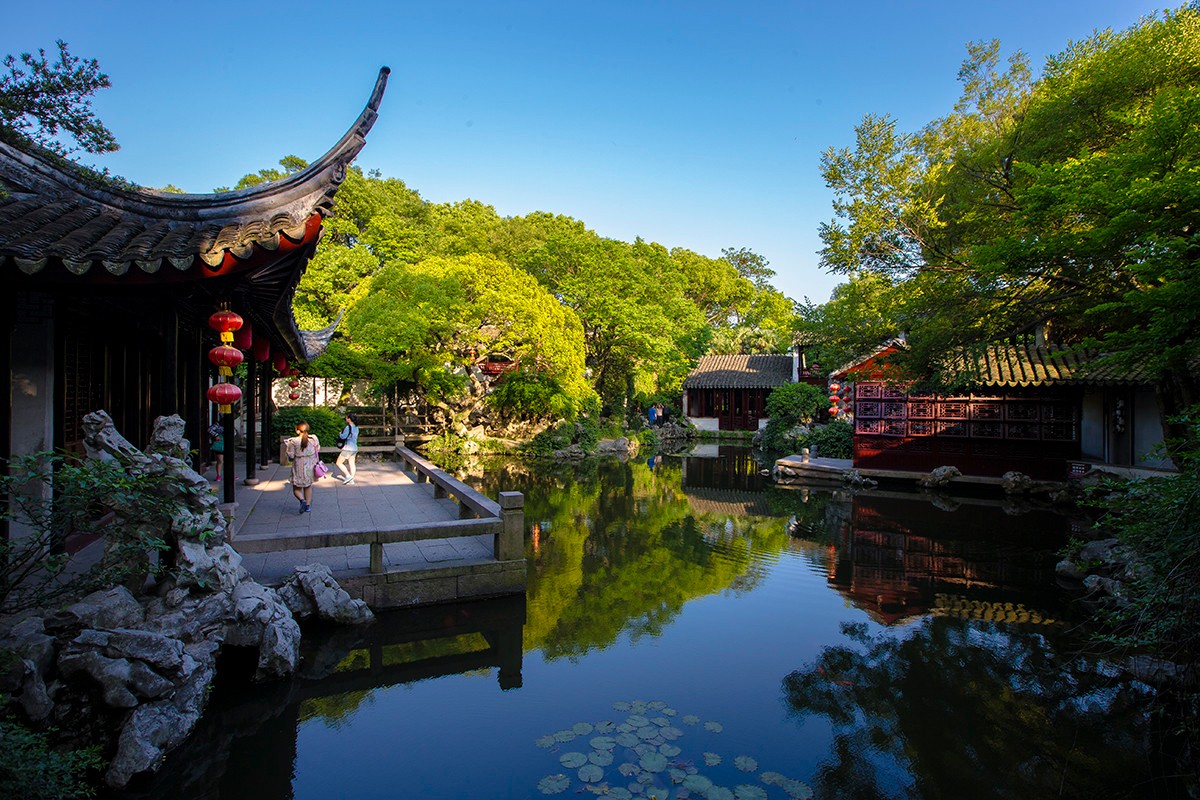
Following the core philosophy of "Though made by man, it is as if created by nature", Suzhou gardens are man-made microcosms of mountains and rivers, condensing the grandeur of thousands of miles of rivers and mountains into a single courtyard. It represents the highest achievement of Chinese classical garden art, which has been recognized as a world cultural heritage.
· Spatial and Landscape Characteristics
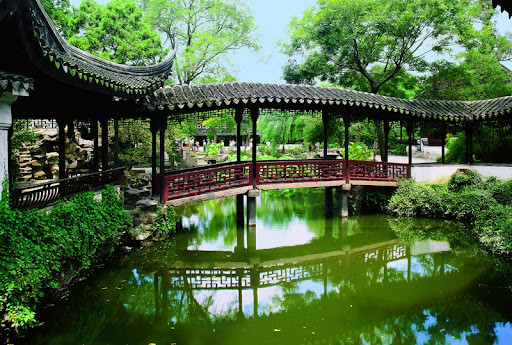
The gardens are dominated by enclosed, inward-facing spaces. Through the clever combination of rockeries, ponds, pavilions, flowers and trees, they create a visual effect of "changing scenery with every step". The limited space is designed to create endless layers of artistic conception, with every corner carrying the aesthetic and philosophical pursuits of the ancient garden owners.
· Core Landscape Resources
Suzhou has 9 world heritage-listed classical gardens, each with unique characteristics. The Humble Administrator's Garden is the largest classical garden in China, famous for its water-centered layout and natural wild charm; the Lingering Garden is renowned for its exquisite spatial layout and the integration of residential, ancestral hall and garden spaces; the Mountain Villa with Embracing Beauty is acclaimed for its rockery design, known as "the best rockery in the south of the Yangtze River".
· Tour Experience Form
The visit is mainly immersive, slow-paced reading-style exploration. Travelers need to slow down to understand the garden design philosophy, literati allusions and feng shui layout behind the landscape, rather than just checking in at scenic spots. It is suitable for in-depth perception of the beauty of details and traditional Chinese aesthetics.
2. Hangzhou West Lake
· Core Landscape Design Philosophy
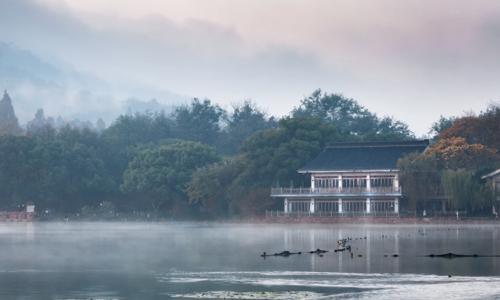
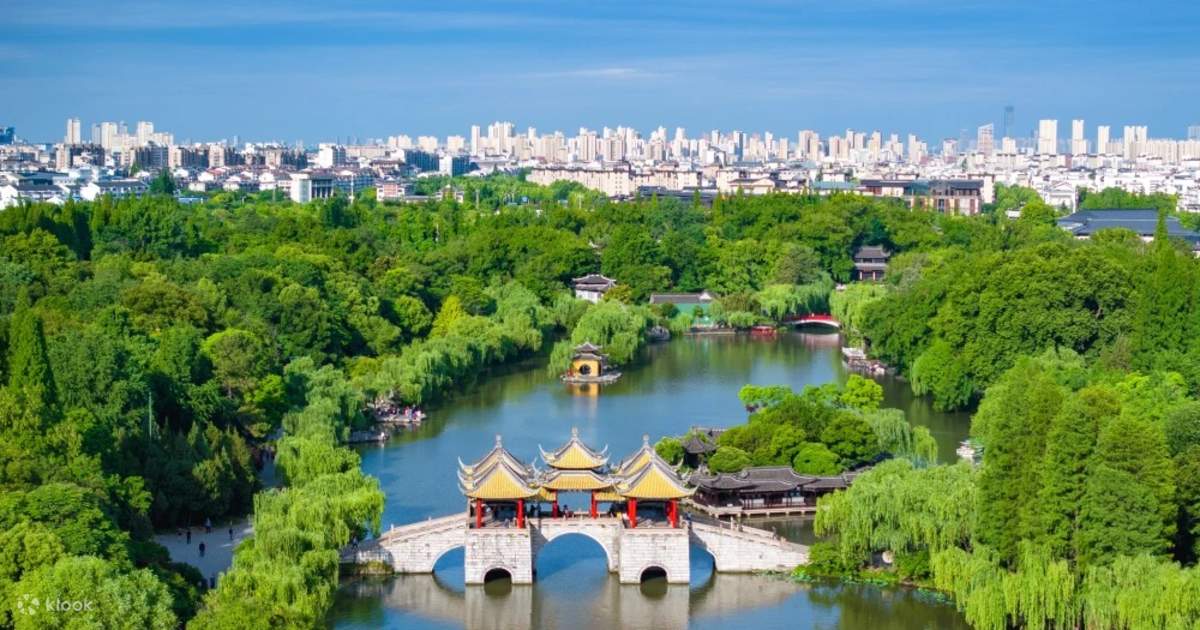
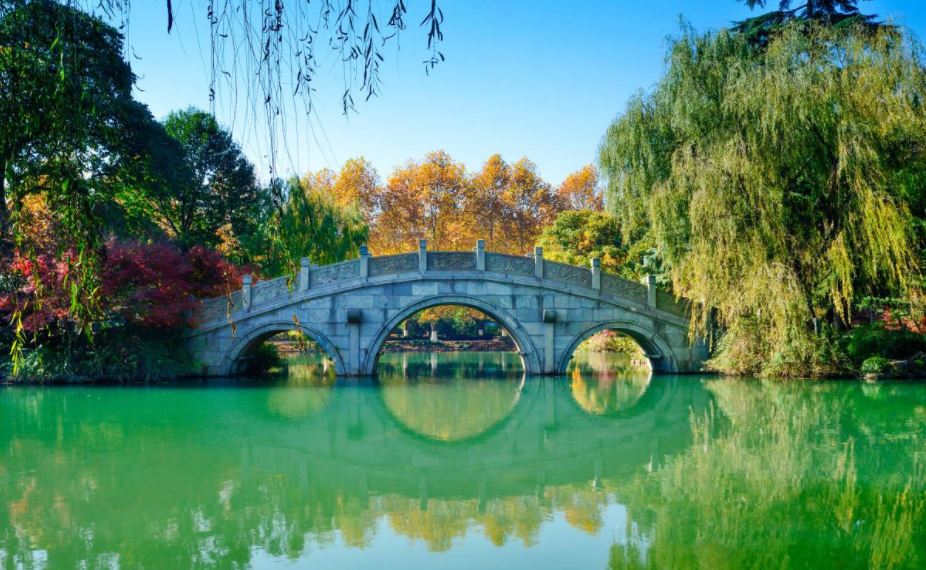
Centered on the core concept of "harmony between man and nature", the West Lake is a naturally formed macro landscape of mountains and rivers. With the lake as the core, surrounded by mountains on three sides and the city on one side, it perfectly integrates the city, lake and mountains into a living Chinese landscape painting, which is the only lake-type world cultural heritage in China.
· Spatial and Landscape Characteristics
Dominated by open and expansive outward-facing spaces, the 6.39 square kilometer lake and the surrounding mountains form a grand landscape pattern with wide vision and rich layers. It has both exquisite small scenes along the lake and panoramic views from the top of the hills, with a very high degree of freedom for visiting.
· Core Landscape Resources
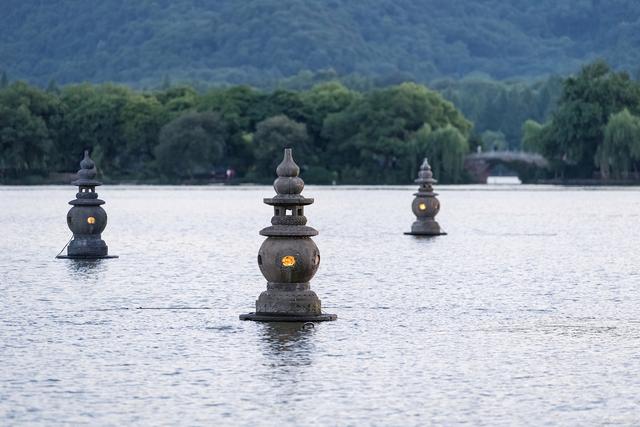
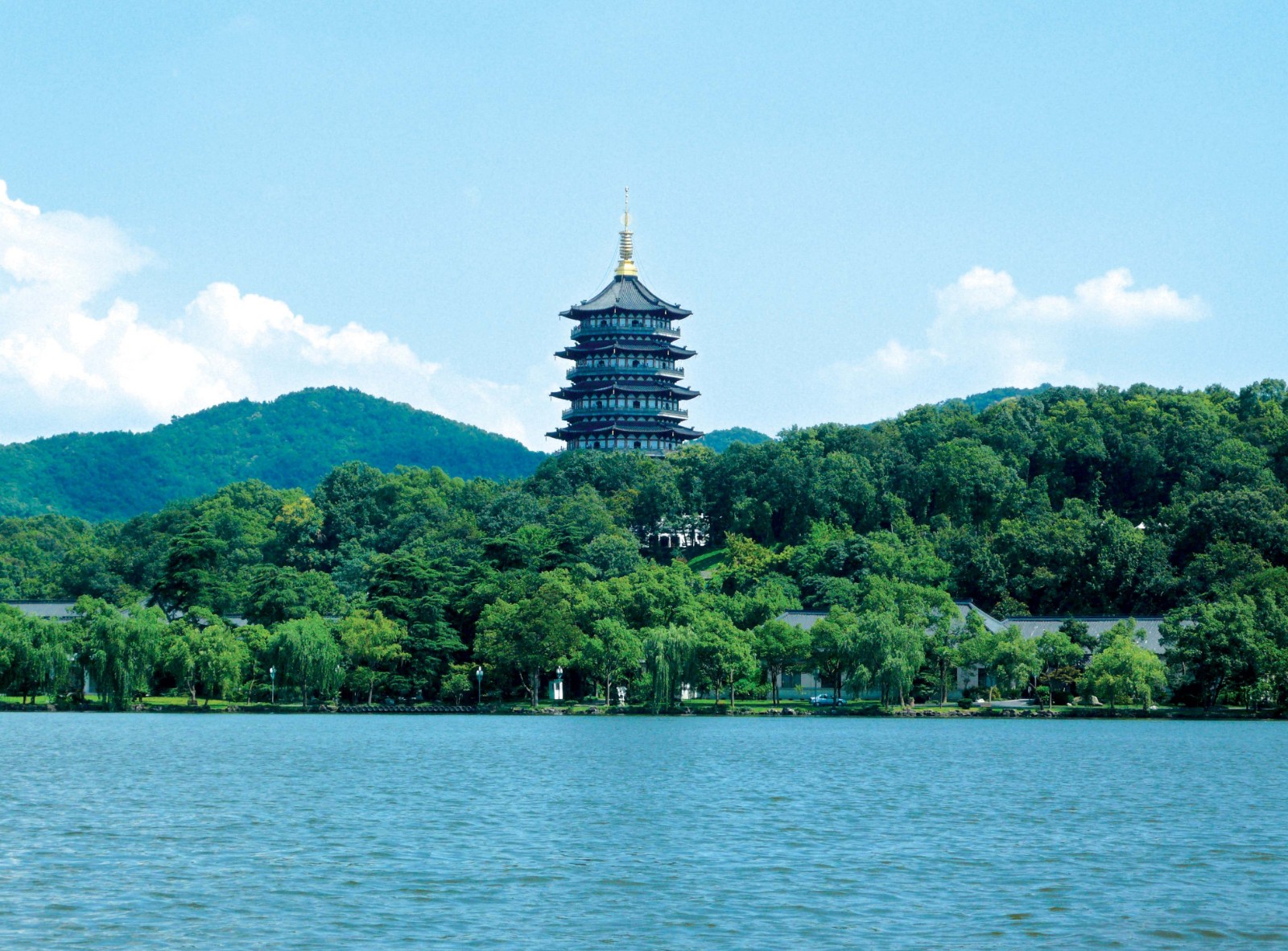
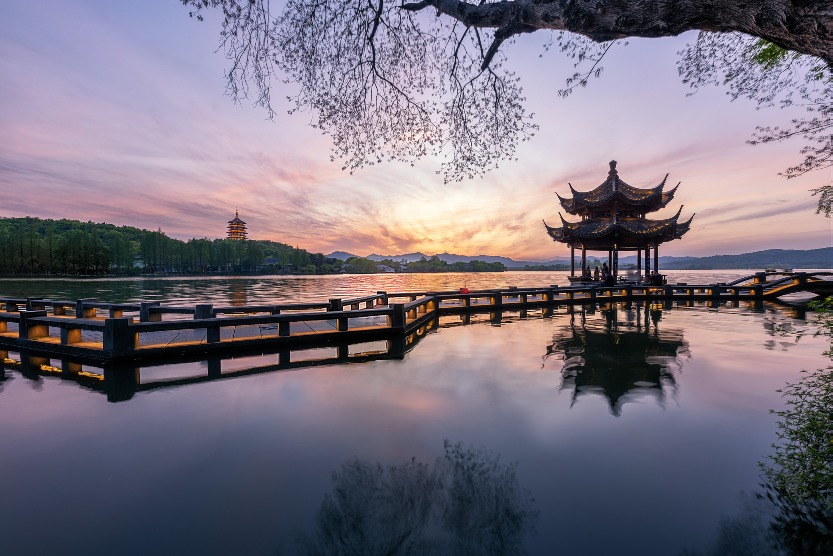
The West Lake scenic area covers the entire lake and surrounding hills, including the classic Ten Scenes of West Lake, such as Spring Dawn at Su Causeway, Melting Snow at Broken Bridge, Three Pools Mirroring the Moon (featured on the back of China's 1 RMB note). It is also complemented by supporting cultural and natural landscapes such as Lingyin Temple, Feilai Peak, Longjing Tea Villages, and Xixi National Wetland Park, with extremely rich and diverse landscape types.
· Tour Experience Form
The visit is mainly multi-dimensional and panoramic. Travelers can experience the beauty of the West Lake from different perspectives through walking, cycling, boating, and mountain climbing. It can be a slow leisure experience of relaxing by the lake, or a packed itinerary of checking in multiple attractions, with extremely high flexibility of travel rhythm.
2. Comparison of Water System Features & Ecological Layout
1. Suzhou Canal & Water Town System
· Water System Pattern
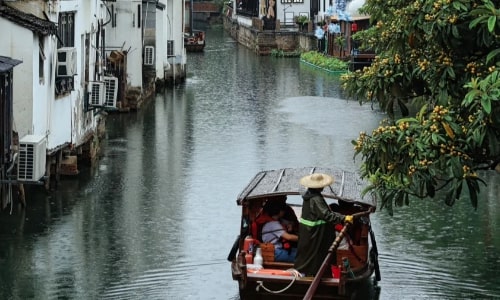
Suzhou's urban framework is built on the core pattern of "water and land run in parallel, river and street are adjacent to each other". The Beijing-Hangzhou Grand Canal runs through the city, and the thousand-year-old canal network crisscrosses the ancient city, making it a veritable "water city". Most of the traditional dwellings are built along the water, with streets and canals running parallel, forming the unique urban texture of the Jiangnan water town.
· Core Water Resources
In the ancient city, there are historical waterways such as Pingjiang River, Shantang River and Shangtang River, which have preserved the ancient canal pattern for thousands of years. Around the city, there are four major Jiangnan water towns: Tongli, Zhouzhuang, Luzhi and Mudu, which completely retain the water town style of living by the water, and the water system is deeply bound to the daily life of local residents.
· Water-related Experiences
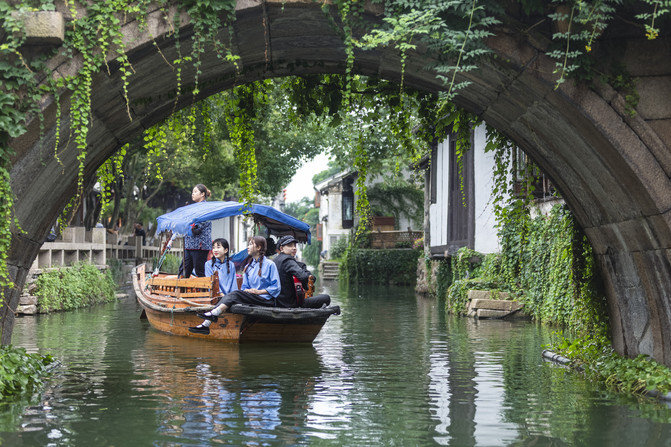
The experience is mainly small-scale and immersive water town visits, such as the sculling boat ride in the ancient city, the canal cruise in the water towns. Travelers can get up close to the waterfront dwellings, stone arch bridges and riverside streets, and experience the daily life of the Jiangnan water town.
· Cultural Connotation
Suzhou's water system is the carrier of Wu culture. The canal is not only a traffic vein, but also a historical witness of the silk trade and Jiangnan commerce, which has bred unique water town folk customs and lifestyle, and is the living heritage of the Jiangnan water culture for thousands of years.
2. Hangzhou's Diversified Water System of Lake, River, Stream and Wetland
· Water System Pattern
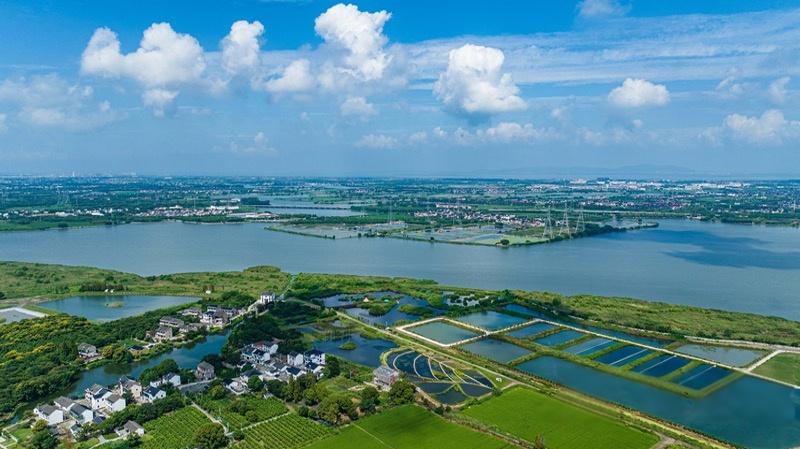
Hangzhou's water system is centered on "one lake, one river, one canal": the West Lake is the core of the city's landscape, the Qiantang River is the axis of urban development, and the Beijing-Hangzhou Grand Canal is the historical context. The three major water systems connect the city's nature and humanity, forming a diversified water system pattern with lakes, rivers, canals, streams and wetlands.
· Core Water Resources
The core is the whole water system of the West Lake, including the lake surface, islands in the lake, and mountain streams around the lake. Followed by the Qiantang River, famous worldwide for the Qiantang River Tidal Bore; the Hangzhou section of the Beijing-Hangzhou Grand Canal with a long history; the wetland water system of Xixi National Wetland Park; and the mountain streams in Longjing Village and Nine Creeks and Eighteen Gullies, with extremely rich types of water landscapes.
· Water-related Experiences
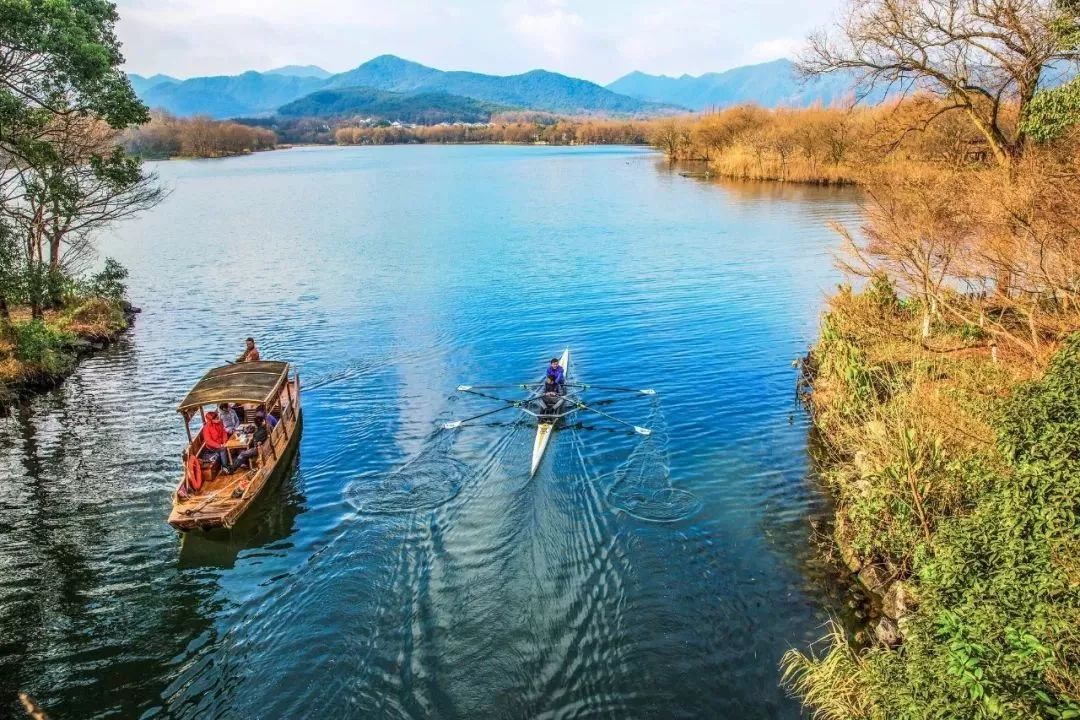
The experience is mainly large-scale and multi-form landscape exploration, such as large painting boat cruises and hand-rowing boat tours on the West Lake, Qiantang River cruises, sculling boat rides in Xixi Wetland, and stream trekking in Nine Creeks. Travelers can experience both the open lake view and the quiet mountain stream charm.
· Cultural Connotation
Hangzhou's water system is the carrier of thousands of years of poetry and culture. Every plant, tree, bridge and causeway of the West Lake is supported by poems and allusions of literati and poets of past dynasties. The water system is deeply integrated with poetry, legends and imperial history, and its cultural heritage has a strong narrative nature.
3. Comparison of Greening & Ecological Design Philosophy
1. Suzhou's Micro Garden-style Greening
· Design Logic
The greening design of Suzhou fully follows the philosophy of classical garden construction. "Every plant and tree is carefully arranged". Greening is not a simple vegetation cover, but a core element of garden landscaping. Every plant has its cultural meaning and landscaping function, and is an indispensable part of the garden's artistic conception.
· Plant Selection & Cultural Meaning
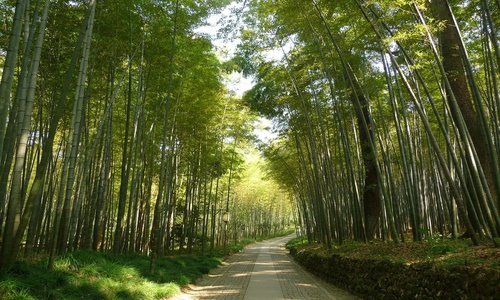
Priority is given to native plants with literati imagery. For example, pine trees symbolize resilience, bamboo represents integrity, lotus flowers symbolize purity, and osmanthus flowers mean wealth and honor. There are also peonies, begonias, plantains, and wintersweets, which are matched to create different landscape artistic conceptions with the change of seasons, realizing "scenery in all four seasons, different views at all times".
· Urban Greening Features
In the ancient city, the greening is mainly courtyard-style, small-scale exquisite greening. The green plants along the streets and rivers are perfectly integrated with the ancient buildings. The mountain greening outside the city is dominated by natural forests, such as the red maples in Tianping Mountain and plum blossoms in Xiangxuehai, which are classic seasonal landscapes.
2. Hangzhou's Macro Landscape-integrated Greening
· Design Logic
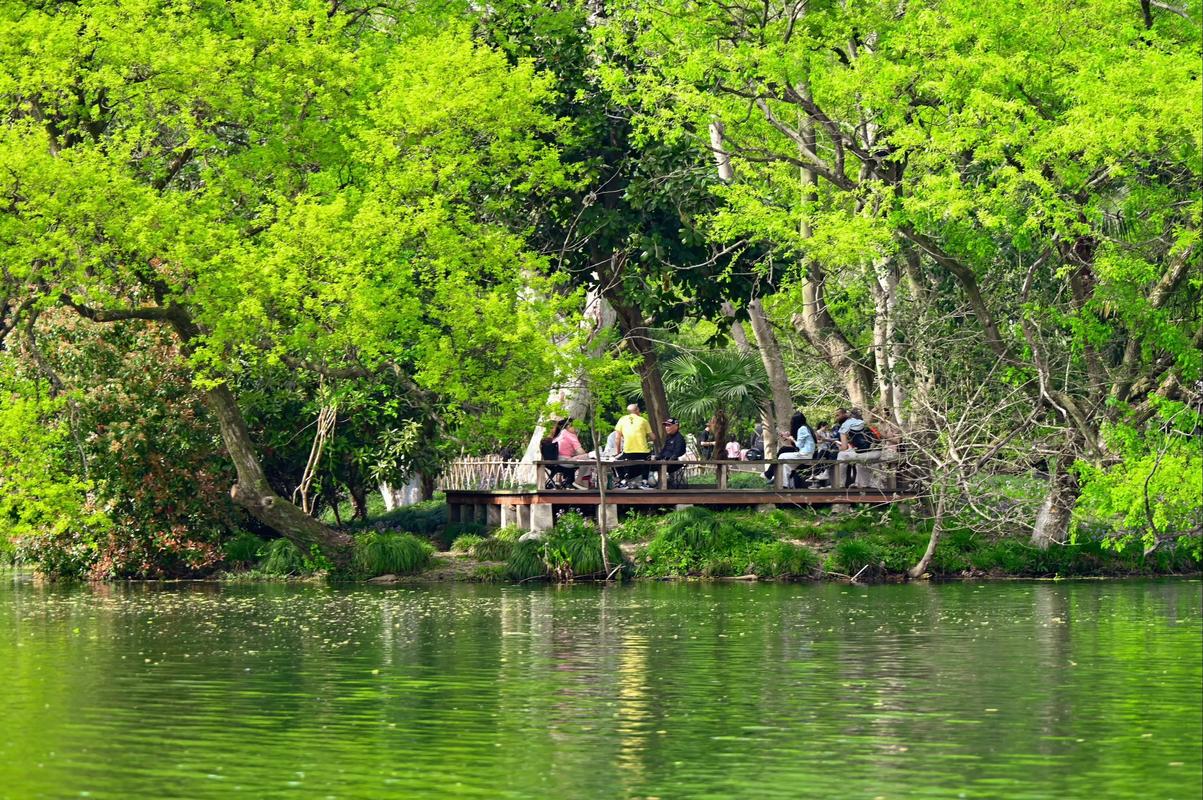
Centered on the core of "respecting nature and integrating into the landscape", the greening is an extension of the natural mountains and rivers. The greening around the lake and mountains is dominated by native vegetation, and the artificial landscaping serves the overall landscape pattern without damaging the natural style.
· Plant Selection & Ecological Features
The core is the native trees, wetland vegetation and tea trees around the West Lake. The weeping willows, metasequoias and sweetgums around the lake, the Longjing tea trees and bamboos in the mountains, and the aquatic plants in Xixi Wetland form a multi-layered natural ecosystem, which balances landscape and ecological protection.
· Urban Greening Features
It has formed a city-wide greening pattern of "integration of mountain, lake and city". The entire West Lake scenic area is a giant urban park. The urban road greening is connected with the landscape, and the cycling and walking paths are surrounded by green plants, realizing "the city is in the scenery, and the scenery is in the city".
4. Comparison of Historical & Cultural Heritage and Living Inheritance
1. Suzhou's Cultural Heritage System
· Historical Origin & Status
With a history of more than 2,500 years, Suzhou is the core birthplace of Wu culture. It was the political, economic and cultural center of the Jiangnan region since the Spring and Autumn Period, and the national economic and cultural center during the Ming and Qing Dynasties. It is the core carrier of Jiangnan literati culture and citizen culture.
· Tangible Cultural Heritage
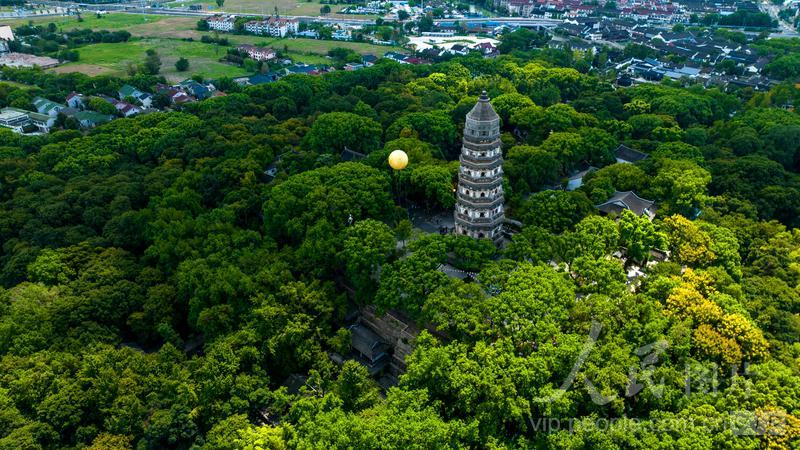
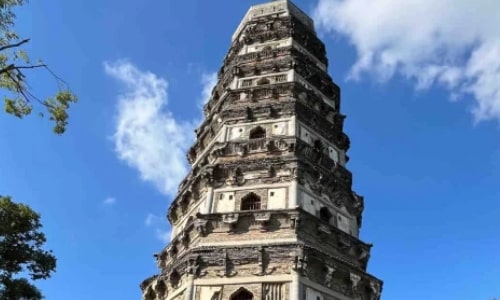
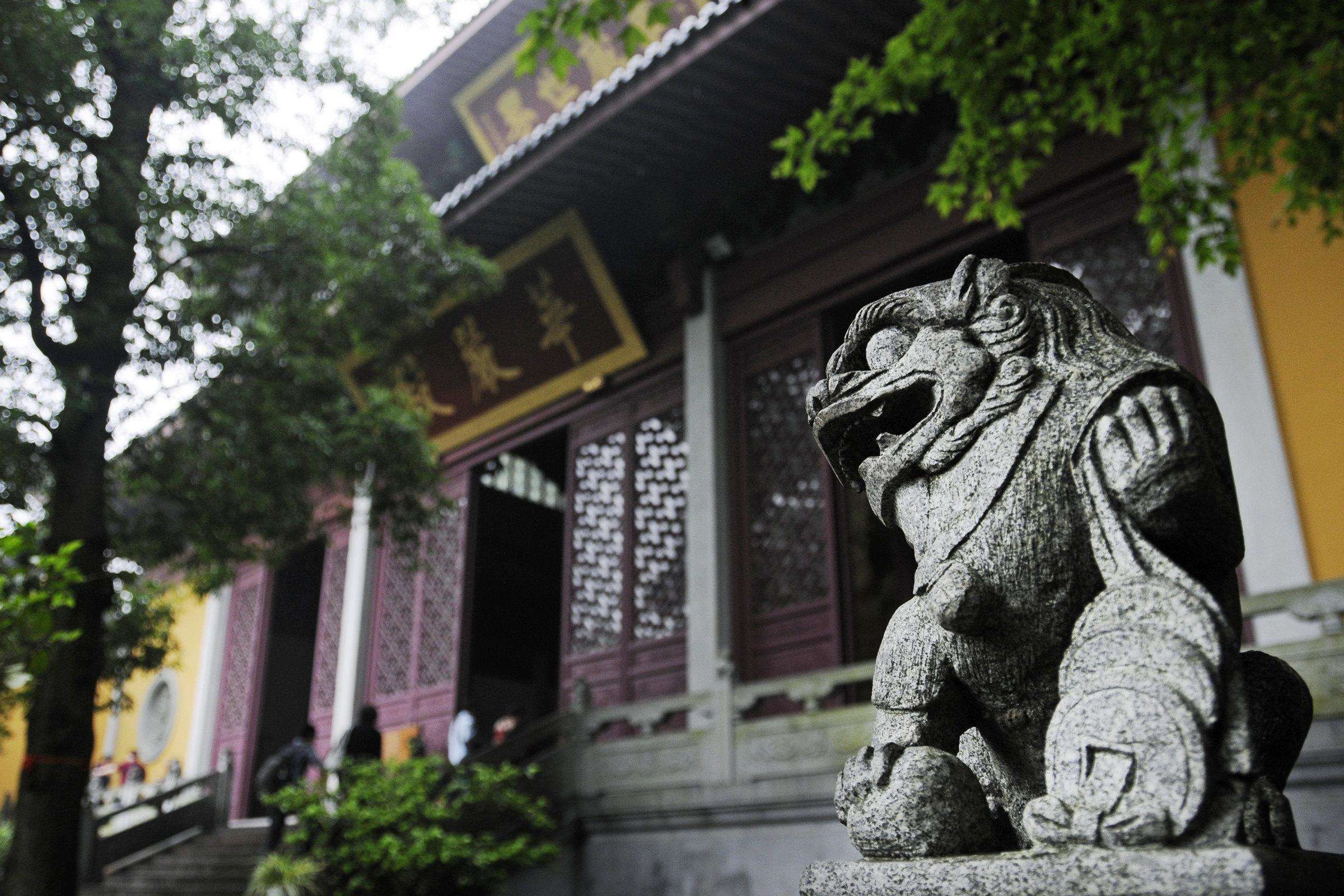
In addition to the 9 world heritage classical gardens, the Suzhou section of the Grand Canal is also included in the World Heritage List. It has more than 60 national key cultural relics protection units, such as the Yunyan Temple Pagoda on Tiger Hill, the Sanqing Hall of Xuanmiao Temple, and the Ruiguang Pagoda. The overall pattern of the ancient city has retained the street texture recorded in the Pingjiang Map of the Song Dynasty, making it one of the best-preserved ancient cities in China.
· Intangible Cultural Heritage System
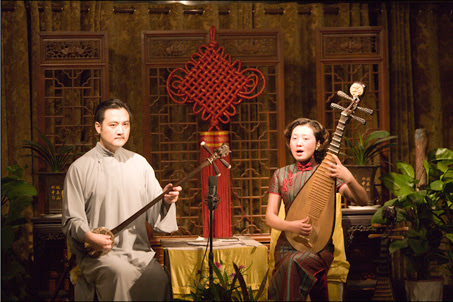
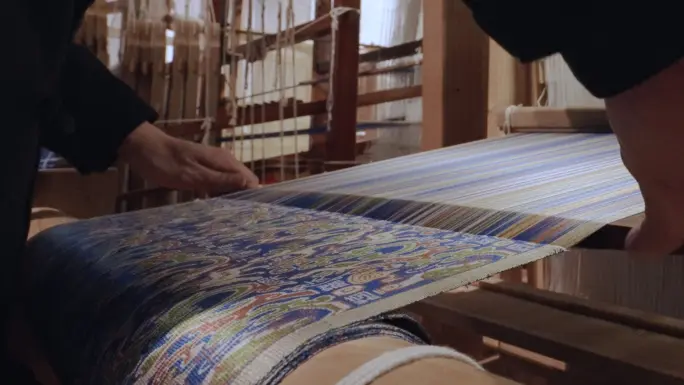
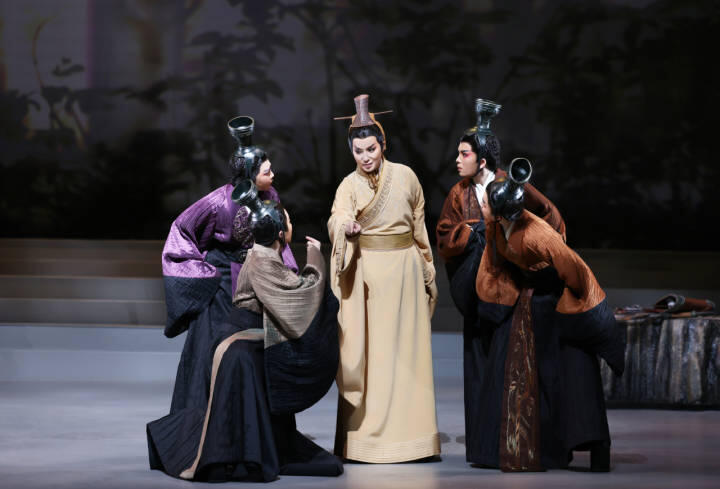
Suzhou has 6 world-class intangible cultural heritages and more than 30 national-level intangible cultural heritages. The core includes Kunqu Opera (the mother of Chinese operas, world-class intangible heritage), Suzhou embroidery, Song brocade, Kesi silk weaving, Xiangshanbang traditional architectural craftsmanship, and Suzhou Pingtan. The categories cover opera, handicrafts, folk customs, music and other fields, with a complete inheritance system.
· Forms of Living Inheritance
Intangible cultural heritage is deeply integrated with urban life. Kunqu Opera and Pingtan performances are regularly staged in the gardens. There are many intangible cultural heritage workshops and time-honored handicraft shops in the ancient city streets. The traditional customs such as Suzhou-style tea ceremony and seasonal diet are still preserved in the daily life of local residents. Cultural inheritance is not displayed in museums, but lives in daily life.
2. Hangzhou's Cultural Heritage System
· Historical Origin & Status
With a history of more than 2,200 years, Hangzhou is one of China's Seven Ancient Capitals and the seat of the imperial capital of the Southern Song Dynasty. It is the core carrier of Wuyue culture and Southern Song culture, and also an important birthplace of China's thousand-year tea culture. It has been a core city in the Jiangnan region for all dynasties.
· Tangible Cultural Heritage
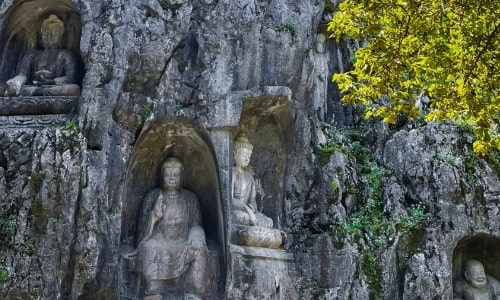
In addition to the West Lake Cultural Landscape, the Hangzhou section of the Grand Canal is also a world heritage site. It has more than 40 national key cultural relics protection units, such as Lingyin Temple, Feilai Peak Grottoes, Liuhe Pagoda, and Yue Fei's Tomb and Temple. It also retains the core relics of the Southern Song imperial city, such as the Southern Song Imperial Street and the Deshou Palace Site, which completely preserves the historical context of the thousand-year-old ancient capital.
· Intangible Cultural Heritage System
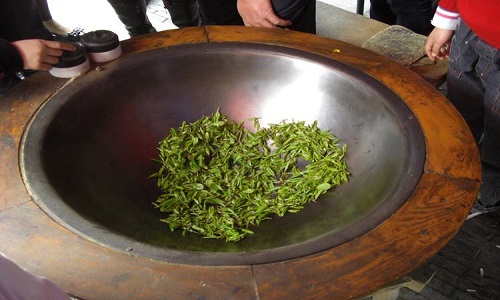
Hangzhou has 3 world-class intangible cultural heritages and more than 40 national-level intangible cultural heritages. The core includes the traditional Chinese tea-making technique (West Lake Longjing green tea making technique, world-class intangible heritage), Yue Opera, Hangzhou fan making, West Lake silk umbrella making, Hangzhou woodblock printing technique, and West Lake legends. The intangible cultural heritage is deeply bound to the city's landscape and tea culture.
· Forms of Living Inheritance
Cultural heritage is deeply integrated with tourism experience. Tea farmers in Longjing Village still use the thousand-year-old hand-made tea making techniques. The intangible cultural heritage blocks along the Grand Canal regularly hold intangible cultural heritage experience activities. The legends and allusions of the West Lake are integrated into the scenic spot explanation and tour experience. The Southern Song culture has realized modern expression and inheritance through blocks, catering, and performing arts.
5. Balance of Modernization and Traditional Conservation in Urban Style
1. Suzhou's Separation Mode of Ancient City Conservation & New Town Development
· Core Urban Planning Logic
Suzhou adopts a completely separated mode of "ancient city protection and new town development", which fundamentally avoids the damage to the traditional style caused by modern development, and is a benchmark model for the protection of historical ancient cities in China.
· Ancient City Conservation Mode
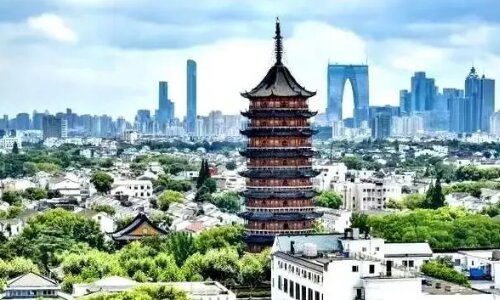
The strictest protection regulations are implemented for the 14.2 square kilometer Suzhou ancient city. The height of buildings in the ancient city is generally limited to less than 3 floors, which completely retains the double chessboard pattern of "water and land parallel, river and street adjacent" since the Song Dynasty. The style of classical gardens, historical streets and ancient dwellings has been completely preserved. Walking into the ancient city is like traveling back to the Jiangnan water city thousands of years ago.
· Modern Development Layout
Modern industries, commerce, and high-rise buildings are all concentrated in new urban areas outside the ancient city, such as Suzhou Industrial Park, High-tech Zone, and Xiangcheng District. Among them, Suzhou Industrial Park is one of the most successful international cooperation parks in China, with a modern urban interface, high-end industries and complete supporting facilities, forming a pattern of "two cities running in parallel without interference" with the ancient city.
· Urban Vibe Difference
Inside the ancient city, there is a slow-paced, quiet and elegant traditional Jiangnan atmosphere, while in the new urban area, there is a modern, international and fast-paced urban atmosphere. The two temperaments are completely separated. Travelers can accurately choose the experience scene they want according to their needs, and there will be no situation where the traditional style is split by modern buildings.
2. Hangzhou's Symbiotic Development Mode of City-Scenery Integration
· Core Urban Planning Logic
Hangzhou adopts the mode of "taking the core landscape as the anchor point, and the integrated development of city and scenery". It takes the protection of the West Lake as the core bottom line, and the urban development is carried out around the landscape, realizing the symbiosis between the city and nature.
· Core Landscape Conservation Mode
Strict style control is implemented for the West Lake scenic area, and the buildings around the West Lake are strictly height-limited to ensure that the integrity of the lake and mountain landscape is not damaged. At the same time, special protection is implemented for historical areas such as the Grand Canal and the Southern Song Imperial City Site to retain the core historical context.
· Modern Development Layout
With the West Lake as the core, the city develops eastward, southward and westward in multiple dimensions. Qianjiang New City and Qianjiang Century City have built a modern CBD skyline. Binjiang District gathers the digital economy high-tech industry, and the West Sci-Tech Innovation Corridor in the west carries the scientific and technological innovation function, forming an urban pattern of "dynamic east, quiet west, elegant south, and smart north". The traditional historical area and the modern urban area are seamlessly connected.
· Urban Vibe Difference
The urban temperament combines the poetic charm of mountains and rivers with the vitality of a modern city. The lakeside area has both the natural poetry of the West Lake and the bustling urban commerce; Qianjiang New City has an international urban style, while the West Lake mountains and Longjing Village retain a quiet rural and natural atmosphere. Travelers can seamlessly switch between landscape leisure, urban commerce, historical and cultural experiences in one trip, and the scene conversion is extremely convenient.
In-depth Comparison of Tourist Experience & Attraction Layout
1. Attraction Distribution & Sightseeing Efficiency
1. Suzhou's Attraction Layout & Sightseeing Features
· Attraction Distribution Characteristics
The core cultural attractions of Suzhou are highly concentrated in the 14.2 square kilometer ancient city. The core check-in points such as Humble Administrator's Garden, Suzhou Museum, Lion Grove Garden, Pingjiang Road, Lingering Garden, and Shantang Street are mostly within 3 kilometers of each other, which can be easily connected by walking, subway, or cycling. The surrounding water towns and other peripheral attractions are mostly distributed within 30 kilometers around the ancient city, with a driving time of 30 minutes to 1 hour, which is suitable for half-day or one-day trips, and the round trip is convenient.
· Sightseeing Itinerary Logic
It can form a "ring tour in the ancient city" moving line, no need for long-distance commuting. You can visit the gardens in the morning, walk the streets in the afternoon, and visit the ancient town in the evening. The commuting time between attractions is extremely short, and the itinerary efficiency is extremely high. The adjustment space of the itinerary is extremely large. Even if you temporarily change the plan, you can quickly switch the sightseeing spots, and there will be no problem of long-distance commuting.
· Sightseeing Rhythm Adaptability
It can be arranged for a compact punch-in itinerary, checking in multiple core gardens and streets in one day; it can also be arranged for a slow-paced in-depth experience, where a garden can be visited for most of the day, and the tightness of the itinerary can be adjusted greatly.
2. Hangzhou's Attraction Layout & Sightseeing Features
· Attraction Distribution Characteristics
The core attractions of Hangzhou are distributed in a ring around the West Lake. The attractions around the lake are dense, but the core attractions such as Lingyin Temple, Longjing Village, Xixi Wetland, and Nine Creeks and Eighteen Gullies are 5-10 kilometers away from each other, which need to be connected by public transportation or ride-hailing. The surrounding natural landscapes, ancient towns and villages are distributed in a wider range, with a driving time ranging from 1 hour to more than 2 hours, which is suitable for multi-day in-depth tours of the surrounding areas, rather than short round trips.
· Sightseeing Itinerary Logic
Taking West Lake as the core, visiting by area is the most efficient way, such as "West Lake West Line", "West Lake East Line", "Lingyin-Longjing Area", "Xixi Wetland Area". It takes a certain commuting time between different areas, so it is more suitable to plan the itinerary by theme and area to avoid cross-area back and forth.
· Sightseeing Rhythm Adaptability
The West Lake around the lake tour can be fast or slow. You can cycle around the lake to check in the core attractions in half a day, or spend 2-3 days slowly experiencing each landscape in depth. However, the tour of the peripheral attractions requires sufficient time reserved, which is more suitable for in-depth exploration with sufficient itinerary duration.
2. Core Experience Depth & Immersion
1. Suzhou's Tourist Experience Features
· Core Experience Orientation
The core experience of Suzhou is centered on "in-depth cultural immersion". All sightseeing experiences revolve around "understanding the life aesthetics and spiritual world of Jiangnan literati", not simple visual check-in, but in-depth perception of Chinese aesthetics and traditional culture.
· Immersive Experience Forms
*In-depth garden guided tour: Through professional explanations, you can understand the garden philosophy, feng shui layout, and literati allusions behind the garden, and understand the design ingenuity behind every rockery, doors and windows, and plants.
*Intangible cultural heritage immersive experience: Walk into century-old workshops and experience intangible cultural heritage skills such as Suzhou embroidery and Kesi silk weaving in person, rather than simple visits.
*Slow life experience: Listen to a piece of Pingtan in a teahouse on Pingjiang Road, drink a cup of Suzhou-style tea in the garden, and stay in a water town for one night to feel the slow life rhythm of Jiangnan.
· Memory Point Characteristics
The memory points of the experience are more inclined to "details and connotation", which is the in-depth understanding of Jiangnan culture and Chinese aesthetics, and it is an experience type that becomes more interesting the more you appreciate it.
2. Hangzhou's Tourist Experience Features
· Core Experience Orientation
The core experience of Hangzhou is centered on "full-dimensional sensory experience", which integrates the all-round landscape experience of vision, hearing and smell. It has both the shock of natural landscape, the edification of history and culture, and the relaxation of urban leisure, which is suitable for the experience needs of most tourists.
· Immersive Experience Forms:
*Multi-perspective landscape experience: Through walking, cycling, boating, mountain climbing and other ways, you can feel the beauty of West Lake in 360 degrees. West Lake in different perspectives and different time periods has a completely different style.
*In-depth tea culture experience: Walk into the Longjing tea garden, from tea picking, tea frying to tea tasting, fully experience the thousand-year tea culture of West Lake Longjing.
*Full-time leisure experience: Watch the sunrise of West Lake in the early morning, taste tea in the tea garden in the afternoon, watch the sunset of Leifeng Pagoda in the evening, and watch the light show and music fountain at night. There are rich experience contents throughout the day.
· Experience Threshold: There is almost no experience threshold. No matter whether you understand the historical culture behind it or not, you can intuitively feel the natural beauty of West Lake, with strong visual impact and extremely high universality. Whether it is the elderly, children or first-time visitors to China, they can quickly get an excellent tour experience.
· Memory Point Features: The memory points of the experience are more inclined to "the grand landscape artistic conception and diverse scene switching", which is an intuitive feeling of the "paradise on earth" in Jiangnan, with strong sense of picture and high communication.
3. Day and Night Tour Experience Difference
· Suzhou's Day and Night Tour Experience
(1) Core Highlights of Daytime Tour:
*The best visiting time for classical gardens. Under natural light, the landscaping details and light and shadow levels of the garden can be perfectly presented, which is the golden time to understand the garden aesthetics.
*The daytime tour of water towns can clearly see the architectural details and water town style of the ancient town, with boat rides and street walking, the experience is full.
*Cultural attractions such as museums, intangible cultural heritage workshops, and historical monuments are all open during the day, which is the core time for in-depth cultural experience.
(2) Featured Night Tour Experience:
*The night view of Shantang Street and Pingjiang Road, with lanterns reflected on the canal water, is a classic picture of the night view of Jiangnan water towns. The teahouses and Pingtan clubs in the streets have regular performances at night, which is the core scene to experience Suzhou-style nightlife.
*The night tour of water towns such as Zhouzhuang and Tongli avoids the crowds during the day. The quiet canals, red lanterns and ancient bridges have a full atmosphere. Some ancient towns also have night live-action performances.
*The night tour of the ancient canal, take a boat to visit the moat around Suzhou, see the night view of the ancient city wall and ancient buildings on both sides, and feel the night charm of the water city.
*The exclusive night garden experience: the Master of the Nets Garden has a unique night garden tour, with immersive Kunqu Opera and folk music performances in the garden at night, which is a unique night cultural experience in Suzhou.
(3) Night Tour Distribution: The night experience scenes are concentrated along Pingjiang Road, Shantang Street and the ancient city canal, with concentrated areas, no need for long-distance commuting, and can be seamlessly connected with the daytime ancient city tour.
· Hangzhou's Day and Night Tour Experience
(1) Core Highlights of Daytime Tour:
*The best viewing time for the West Lake landscape. In sunny weather, the combination of lake scenery, mountains, blue sky and white clouds can present the ultimate aesthetic feeling of the West Lake landscape painting.
*Outdoor experiences such as mountain climbing, hiking, tea garden visiting, and wetland tour can only be completed during the day, which is the core time for natural exploration.
*Attractions such as Lingyin Temple, Feilai Peak, museums, and historical monuments are all open during the day, which is the core time for cultural sightseeing.
(2) Featured Night Tour Experience:
*The night view around the West Lake, the light show of Leifeng Pagoda, the lighting of the Republic of China buildings on Beishan Street, and the bustling night view of the lakeside business district, as well as the West Lake Music Fountain, are the core business cards of Hangzhou's night tour.
*The night tour of the Hangzhou section of the Grand Canal, take a boat from Wulin Gate to Gongchen Bridge, watch the night view of the combination of historical buildings and modern lights on both sides of the canal, and feel the thousand-year context of the canal.
*The night market experience of Hefang Street and Southern Song Imperial Street, visiting the night market, tasting snacks, watching intangible cultural heritage handicrafts, and feeling the night fireworks of Hangzhou.
*The urban light show in Qianjiang New City, the light linkage of modern skyscraper groups, showing the modern urban charm of Hangzhou.
*The iconic live-action performance Impression West Lake, which is performed on the water of West Lake, integrates the natural landscape and performance art, and is a must-experience night cultural project in Hangzhou.
(3) Night Tour Distribution: The night experience scenes are more widely distributed, from the West Lake lakeside, along the Grand Canal, to Qianjiang New City and Hefang Street, covering various types such as natural night view, historical blocks, and urban CBD, which can be flexibly selected according to the itinerary.
4. Intangible Cultural Heritage & Interactive Experience
· Suzhou’s ICH System & Experience Scenarios
(1) Core advantageous intangible cultural heritage projects: Focusing on classical art and traditional handicrafts, Kunqu Opera (the ancestor of all Chinese operas, world-class intangible cultural heritage), Suzhou Pingtan, Su embroidery, Song brocade, Kesi silk weaving, Xiangshanbang traditional architectural craftsmanship, Suzhou fan making, and nuclear carving are all unique and top-level intangible cultural heritage projects in China, with a complete inheritance system.
(2) Interactive experience forms:
*Opera category: Immersive Kunqu Opera performances in gardens, Pingtan listening experience in teahouses, and even learn simple Kunqu singing and postures.
*Handicraft category: Intangible cultural heritage projects such as Su embroidery, Kesi silk weaving, Suzhou fan, nuclear carving, and woodblock New Year pictures all have hand-on experience workshops for tourists, from entry-level experience to in-depth courses are available, and you can make your own intangible cultural heritage works and take them away.
*Life aesthetics category: Suzhou-style tea ceremony, flower arrangement, and incense ceremony experience, which fit the lifestyle of Suzhou literati, and immerse yourself in the elegant life of Suzhou style.
(3) Experience scenario characteristics: The intangible cultural heritage experience scenes are deeply integrated with the ancient city and gardens. For example, listening to Kunqu Opera in a century-old garden, making Su embroidery in an old house on Pingjiang Road, and learning to make Suzhou fans in a time-honored brand on Shantang Street. The experience scene is highly consistent with the cultural background, and the sense of immersion is extremely strong.
(4) Inheritance professionalism: A large number of national and provincial intangible cultural heritage inheritors have set up studios and experience courses, so that visitors can be exposed to the most authentic and professional intangible cultural heritage skills, rather than commercial assembly line experience.

· Hangzhou’s ICH System & Experience Scenarios
(1) Core advantageous intangible cultural heritage projects: Focusing on tea culture, folk art, and historical legends, including Traditional Chinese Tea-making Techniques (West Lake Longjing Green Tea Making Technique, world-class intangible cultural heritage), Yue Opera, Hangzhou fan, West Lake silk umbrella, Hangzhou woodblock printing technique, Hu Qing Yu Tang Traditional Chinese Medicine Culture, and West Lake Legends, which are highly characteristic of Hangzhou and deeply bound to the city's landscape culture.
(2) Interactive experience forms:
*Tea culture category: The whole process experience of tea picking, tea roasting and tea tasting in Longjing Tea Village, led by local tea farmers or tea masters, to deeply understand the Longjing tea culture.
*Handicraft category: Intangible cultural heritage projects such as Hangzhou fan, West Lake silk umbrella, woodblock printing, and paper cutting have mature experience workshops, where you can make your own exclusive handicrafts.
*Folk medicine category: The traditional Chinese medicine culture experience in Hu Qing Yu Tang, to learn about traditional Chinese medicine processing skills, medicine identification, and experience the traditional Chinese medicine culture.
*Opera category: Immersive Yue Opera performances, learning and singing experience, to feel the soft charm of Jiangnan opera.
(3) Experience scenario characteristics: The intangible cultural heritage experience scenes are deeply integrated with natural landscapes and historical blocks. For example, learning tea making in the tea garden of Longjing Village, doing handicrafts in the intangible cultural heritage museum along the Grand Canal, and experiencing traditional Chinese medicine culture in the time-honored brand of Hefang Street. The experience is perfectly integrated with the local scenes.
(4) Inheritance professionalism: The Longjing tea making skills have a number of national-level intangible cultural heritage inheritors, and each major intangible cultural heritage project has an official inheritance base and experience center, which fully guarantees the professionalism and authenticity of the experience content.
Full-Dimension Comparison of Food & Culinary Culture
1. Core Cuisine Flavor & Cooking Philosophy
1. Core Features of Su Bang Cuisine
· Core flavor profile: Centered on "the integration of sweet and umami, balanced salty and sweet", the taste is slightly sweet, but not simple cloying sweetness. It uses sugar to enhance umami, enrich the aroma and neutralize the taste, forming a rich and mellow flavor with layers. The taste pursues soft, glutinous, tender and crisp, and pays great attention to "eating what is in season", strictly following the solar terms and seasons to select ingredients.
· Core cooking philosophy: Centered on "original taste, exquisite workmanship", it pays attention to the original taste of ingredients. The cooking techniques are mainly stewing, braising, simmering, warming, steaming and stir-frying, with extremely fine control of the heat. It pursues "crispy and tender without losing its shape, smooth and crisp without losing its taste".
· Ingredient preference: Priority is given to local seasonal ingredients from the Taihu Lake Basin, mainly freshwater lake products, such as the Three Whites of Taihu Lake (white fish, whitebait, white shrimp), mandarin fish, river shrimp, eel, etc., matched with local seasonal vegetables and seasonal flowers and fruits. Each season has exclusive signature ingredients and dishes.
· Cultural connotation: Su Bang Cuisine is the representative of the food culture of Jiangnan literati. It pays attention to the pursuit of perfection in food, not only the taste, but also the artistic conception, presentation and dining etiquette of the dishes, which is an important part of the elegant Suzhou-style life.
2. Core Features of Hang Bang Cuisine
· Core flavor profile: Centered on "fresh and crisp, original taste", the taste is light and mild, mainly salty and fresh, with a slight sweet and sour taste. It does not use heavy oil or spicy seasoning, and highlights the natural umami of the ingredients. The taste pursues fresh, tender, refreshing and crisp, and also follows the seasonal principle of "eating what is in season", which is suitable for the taste preferences of most people.
· Core cooking philosophy: Centered on "light oil and light sauce, focusing on the original taste", the cooking techniques are mainly stir-frying, frying, braising, quick-frying, steaming and roasting. The techniques are simple but have profound skills. The simplest cooking method is used to retain the original freshness of the ingredients to the greatest extent, without excessive seasoning modification.
· Ingredient preference: Focus on freshwater aquatic products from the West Lake and Qiantang River, as well as seasonal ingredients from the surrounding mountains of Hangzhou, such as West Lake grass carp, river shrimp, spring bamboo shoots, West Lake water shield, Longjing tea leaves, Lin'an hickory nuts, etc. The ingredients pay attention to freshness, local and seasonal, using local materials and making the best use of everything.
· Cultural connotation: Hang Bang Cuisine integrates the delicacy of the Southern Song Dynasty imperial cuisine and the fireworks of Jiangnan folk cuisine. It has both the elegant taste respected by literati and the homely flavor loved by the common people. It is highly inclusive, suitable for both refined and popular tastes, and is a vivid embodiment of the life atmosphere of Hangzhou's "paradise on earth".
2. Signature Dishes & Culinary Heritage
1. Suzhou’s Classic Dishes & Century-old Heritage
(1) Classic iconic dishes:
*Squirrel-Shaped Mandarin Fish: The signature famous dish of Su Bang Cuisine. The mandarin fish is cut into the shape of a squirrel, fried until crispy outside and tender inside, and coated with a secret sweet and sour sauce. It has an exquisite shape and sweet and fresh taste, and is a must-have dish for Suzhou banquets.
*Quick-Fried River Shrimps: Selected fresh river shrimps from Taihu Lake, hand-peeled and stir-fried quickly over high heat. The shrimps are white and tender, with a Q-bounce and smooth taste, which best reflects the control of heat and the original taste of ingredients in Su Bang Cuisine.
*Sizzling Eel Paste: Selected fresh eel, shredded and seasoned with onion, ginger, garlic and pepper, and flavored with hot oil. The taste is soft, glutinous, salty, sweet and fragrant, which is a classic home-style dish of Su Bang Cuisine.
*Boat Duck with Mother Sauce: A traditional famous dish in Suzhou. The whole duck is boned, filled with fillings, and simmered over low heat. The duck meat is crispy and tender, and the soup is mellow and rich, which is the representative of the stewing and braising techniques of Su Bang Cuisine.
*White Soup Crucian Carp: Selected fresh crucian carp from Taihu Lake, simmered over low heat to make a milky white thick soup. The fish meat is tender and the soup is sweet and fresh, which is the favorite home-style lake food dish of Suzhou people.
(2) Culinary heritage and time-honored brands:
*It has century-old time-honored brands such as Songhelou (founded in 1757), Deyuelou (founded in the Jiajing period of the Ming Dynasty), Wangsi Restaurant, and Shijia Restaurant, which have inherited the cooking skills of Su Bang Cuisine for hundreds of years, and the formulas and techniques of many dishes have been continued to this day without interruption.
*The cooking skills of Su Bang Cuisine have been included in the Intangible Cultural Heritage List of Jiangsu Province. There are still a large number of national and provincial-level culinary masters adhering to the traditional skills, while constantly innovating to make Su Bang Cuisine adapt to modern tastes.
(3) Core of dietary culture: Suzhou's food culture is deeply bound to the solar terms. "Eating what is in season" is engraved in the dietary genes of Suzhou people. In spring, they eat pond smelt and spring bamboo shoots; in summer, they eat three-shrimp noodles and fermented food; in autumn, they eat Chinese mitten crabs and osmanthus sweet root; in winter, they eat Cangshu lamb and winter-brewed wine. Every solar term has exclusive food ritual sense.
2. Hangzhou’s Classic Dishes & Century-old Heritage
(1) Classic iconic dishes:
*Dongpo Pork: The iconic dish of Hang Bang Cuisine, named after Su Dongpo, a great writer of the Song Dynasty. The skin-on pork belly is cut into cubes and simmered slowly for several hours. The meat is crispy and tender but not greasy, it melts in the mouth, with a salty and sweet mellow taste, and is a classic dish for Hangzhou banquets.
*West Lake Vinegar Fish: A traditional famous dish in Hangzhou. It uses fresh grass carp from the West Lake, cooked only in clear water, and poured with a secret sweet and sour sauce. The fish meat is fresh and tender, with a sweet and sour taste, which retains the original taste of the fish to the greatest extent, and is the representative of Hang Bang Cuisine's "focus on original taste".
*Longjing Shrimp: A classic of innovative integration of Hang Bang Cuisine. It uses fresh river shrimps, stir-fried with fresh Longjing new tea before and after the Qingming Festival. The shrimps are tender and fresh, with the fragrance of tea leaves, fresh but not greasy, elegant and refreshing.
*Beggar's Chicken: A legendary famous dish in Hangzhou. The whole chicken is filled with fillings, wrapped in lotus leaves and clay, and roasted slowly over charcoal fire. The chicken meat is tender and juicy, with the fragrance of lotus leaves, and has a unique flavor.
*West Lake Water Shield Soup: It uses the water shield specialty of the West Lake, matched with ham shreds and chicken shreds. The water shield is smooth and tender, and the soup is clear and fresh, which is the most representative traditional soup in Hangzhou.
(2) Culinary heritage and time-honored brands:
*It has century-old time-honored brands such as Louwailou (founded in 1848), Zhiweiguan (founded in 1913), Kuiyuan Guan, and Shanwaishan. Among them, Louwailou is known as "the first building by the West Lake", which inherits the classic skills of Hang Bang Cuisine and has received countless Chinese and foreign celebrities.
*The cooking skills of Hang Bang Cuisine have been included in the Intangible Cultural Heritage List of Zhejiang Province. At the same time, Hang Bang Cuisine is also an important part of China's new eight major cuisines, and has a very high popularity in China and even the world.
(3) Core of dietary culture: Hangzhou's food culture is deeply integrated with tea culture and landscape culture. Tea banquets, tea snacks, and tea-infused dishes are a major feature of Hangzhou's diet. At the same time, the inheritance of the Southern Song Dynasty food culture is extremely profound. Many dishes and snacks are derived from the Southern Song Dynasty imperial court, with a history of nearly a thousand years.
3. Local Snacks & Street Food Culture
1. Suzhou’s Snack System & Characteristics
(1) Core characteristics of snack culture: Suzhou snacks are centered on "sweet, glutinous, soft and fragrant", divided into three categories: Suzhou-style noodles, pastry cakes, and street snacks. It pays attention to seasonality and exquisiteness. It is not only the daily breakfast and tea break of Suzhou people, but also a highly representative urban food symbol.
(2) Core classic snacks:
*Suzhou-style Noodles: The soul of Suzhou snacks, with the core of "firm noodles, clear soup, fresh toppings". It is divided into red soup and white soup, with hundreds of toppings such as braised pork, fried fish, shrimp, and three shrimps. It is a must-have for Suzhou people's daily breakfast, and century-old noodle shops are all over the ancient city streets.
*Suzhou-style Pastry Cakes: Represented by time-honored brands such as Huangtianyuan and Wanfuxing, different cakes are launched according to the solar terms and seasons, such as green rice cakes in spring, mint cakes in summer, osmanthus sweet rice cakes in autumn, and lard rice cakes in winter. They are soft, glutinous and sweet, and are the taste memory engraved in the bones of Suzhou people.
*Pan-fried Buns: A classic street snack in Suzhou. The bottom is fried until golden and crispy, the meat filling inside is tender and juicy, with frozen meat skin, it bursts with juice in one bite. It is the favorite breakfast and afternoon tea snack of Suzhou people.
*Other classic snacks: Crab powder xiaolong buns, soup buns, osmanthus sweet porridge, red bean paste porridge, fried glutinous rice balls, Cangshu lamb, etc., with extremely rich categories.
(3) Snack check-in scenarios: They are mainly concentrated in Guanqian Street, Pingjiang Road, and Shantang Street, as well as century-old time-honored brands in the ancient city, and old noodle shops and cake shops in the community. Many community small shops that have been open for decades hide the most authentic taste of Suzhou snacks, full of local fireworks.
2. Hangzhou’s Snack System & Characteristics
(1) Core characteristics of snack culture: Hangzhou snacks are centered on "fresh, fragrant, crisp and glutinous", integrating the delicacy of Southern Song Dynasty palace snacks and the fireworks of Jiangnan folk snacks. It has rich categories, both salty and sweet, including staple snacks that can be used as a main meal, as well as tea snacks and casual snacks, with extremely strong adaptability.
(2) Core classic snacks:
*Hangzhou Xiaolongbao: The iconic snack of Hangzhou, with thin skin and large filling, delicious soup, the fresh meat xiaolongbao and crab roe xiaolongbao are the most classic, and it is one of the favorite breakfasts of Hangzhou people.
*Pian'erchuan: Hangzhou people's favorite noodle soup, with pickled vegetables, bamboo shoots, and lean meat slices as toppings. The soup is delicious and the noodles are strong. It is the representative of Hangzhou's urban food culture. The Pian'erchuan from the century-old noodle shop Kuiyuan Guan is famous nationwide.
*Scallion Pancake with Hui: A classic street snack unique to Hangzhou. The spring cake is wrapped with fried dough sticks and shallots, fried until golden and crispy, matched with sweet bean sauce or chili sauce, fragrant and crispy. It is derived from the historical allusions of the Southern Song Dynasty.
*Dingsheng Cake: A traditional pastry in Hangzhou, made of rice flour with red bean paste. It is soft, glutinous and sweet, with a light rice fragrance. It is a traditional pastry derived from the Southern Song Dynasty, with an auspicious meaning, and is the most representative dim sum in Hangzhou.
*Other classic snacks: Wushan Crispy Oil Cake, West Lake lotus root starch, osmanthus sweet rice cake, cat's ear noodles, Hangzhou-style wonton, Hangzhou sauce duck, etc.
(3) Snack check-in scenarios: They are mainly concentrated in Hefang Street, Southern Song Dynasty Imperial Street, Wulin Night Market, as well as time-honored brands such as Zhiweiguan and Xinfeng Snacks, as well as noodle shops and snack shops in old Hangzhou communities, hiding the most authentic local taste of Hangzhou.
4. Dining Scenarios & Experience Diversity
1. Suzhou’s Featured Dining Scenarios
(1) Garden-themed restaurants: Restaurants adjacent to the classical gardens, or directly located in the gardens, with an elegant environment full of Jiangnan literati atmosphere. While dining, you can feel the beauty of the garden. They mainly focus on high-end Su Bang Cuisine banquets, suitable for business banquets and special dinners.
(2) Canal waterfront restaurants: The riverside restaurants in Shantang Street and Pingjiang Road, with canal water views outside the window, matched with red lanterns and ancient streets, have a full atmosphere. They mainly focus on classic Su Bang Cuisine dishes and local snacks, suitable for tourist check-in and casual dining.
(3) Water town farm restaurants in the ancient water towns: The waterfront restaurants in the ancient towns such as Tongli and Zhouzhuang, mainly focus on Taihu lake fresh food and water town farm dishes, with fresh ingredients and authentic taste, matched with the water town scenery, to immerse yourself in the dining experience of the Jiangnan water town.
(4) Century-old time-honored restaurants: Century-old stores such as Songhelou and Deyuelou have inherited the century-old dining environment and dish skills, where you can experience the most authentic traditional Su Bang Cuisine, which is a must-visit scene to feel the Su Bang Cuisine culture.
(5) Local community old stores: Decades-old noodle shops and small restaurants in the ancient city community, without gorgeous decoration, but hide the most authentic Suzhou home-style taste, which is the best scene to feel the dietary life of local citizens.
(6) Experience diversity: The catering experience in Suzhou is centered on the integration of "culture and scene". Dining is not only about tasting food, but also experiencing the elegant Suzhou-style life and Jiangnan culture. From high-end garden banquets to street noodle shops, every dining scene has a unique cultural atmosphere.
2. Hangzhou’s Featured Dining Scenarios
(1) West Lake view restaurants: Lakeside restaurants along the West Lake, Beishan Street and Longjing Road, with panoramic West Lake views. While dining, you can enjoy the lake and mountain scenery. They mainly focus on high-end Hang Bang Cuisine and creative fusion cuisine, suitable for romantic dates and special dinners.
(2) Tea garden themed restaurants: Farm restaurants in the tea gardens of Longjing Village and Meijiawu, focusing on tea-themed dishes and local farm dishes. The ingredients are freshly picked locally, matched with the tea garden mountain view, and the environment is quiet. It is the core scene to experience Hangzhou tea culture and farm food.
(3) Century-old time-honored restaurants: Louwailou, Zhiweiguan and other century-old stores, especially Louwailou, located in Gushan of the West Lake, built along the lake. You can taste the classic Hang Bang Cuisine while enjoying the beautiful scenery of the West Lake, which is a business card of Hangzhou catering.
(4) Featured restaurants along the Grand Canal: Restaurants in the historical blocks of Gongchen Bridge and Dadou Road along the Beijing-Hangzhou Grand Canal, opened in historical ancient buildings, focusing on Hang Bang Cuisine and creative cuisine, matched with the night view of the canal, with a full atmosphere.
(5) Market snacks and night markets: Hefang Street, Wulin Night Market, Shenglihe Food Street, etc., gather all kinds of Hangzhou snacks, Internet celebrity food, and local restaurants, full of fireworks, suitable for checking in all kinds of local food and feeling the night market life of Hangzhou.
(6) Experience diversity: Hangzhou's catering experience is centered on the integration of "landscape and food". The dining scene is deeply bound to the natural landscape, from high-end lakeside private banquets, to farm dishes in tea gardens, to street snacks in night markets. The types of experiences are extremely diverse. You can not only eat authentic traditional Hang Bang Cuisine, but also find all kinds of creative fusion cuisine, even food from all over the country and the world, with extremely strong inclusiveness.
 5 Days Shanghai Suzhou Nanjing Wuzhen Hangzhou Classic Tour
 10-Day Beijing Shanghai Suzhou Hangzhou Tour
Accommodation Comparison: Hotels and Stay Experience
1. Core Accommodation Types & Themed Features
1. Suzhou’s Featured Accommodation System
(1) Classical Garden Themed Accommodation
*Core features: The most representative exclusive accommodation type in Suzhou. It is divided into two categories: one is boutique hotels and homestays directly located in the world heritage gardens, with exclusive garden courtyards, and you can enjoy the quietness of the garden exclusively after the park is closed; the other is hotels that replicate the style of classical gardens, integrating Suzhou-style garden landscaping into the hotel design, with changing scenery at every step, and immersive feeling of the elegance of Jiangnan gardens.
*Core experience highlights: You can enjoy private garden guided tours, exclusive tea ceremony/Kunqu Opera experience in the garden, and Suzhou-style exclusive services. Accommodation itself is the core part of the travel experience, not just a simple place to stay, which is a unique and non-replicable accommodation experience in Suzhou.
(2) Water Town & Canal Featured Accommodation
*Core features: It is divided into two categories: canal homestays in the ancient city and accommodation in water town ancient towns. The homestays in the ancient city are mostly built along the canal, with water views when you open the window, and the core attractions of the ancient city are within walking distance; the accommodation in the water town ancient towns is mostly renovated from Ming and Qing ancient houses, retaining the architectural style of Jiangnan residential buildings, and you can immerse yourself in the day and night of the water town, avoiding the tourist crowds during the day.
*Core experience highlights: Waterfront rooms, private courtyards, water town breakfast, exclusive night tour experience of the ancient town. Many homestays also provide supporting services such as canal cruises and intangible cultural heritage experiences, which are deeply in line with the atmosphere of water town travel.
(3) International Brand High-End Hotels
*Core features: Mainly concentrated in new urban areas such as Suzhou Industrial Park and High-tech Zone, with modern guest rooms, complete supporting facilities, and international service standards. Some high-end hotels also integrate the design elements of Suzhou-style gardens, taking into account modern comfort and Jiangnan cultural characteristics.
*Core experience highlights: Convenient transportation, complete supporting facilities such as swimming pools, fitness centers, and high-end catering, suitable for business trips and travelers pursuing modern accommodation experience, and it is extremely convenient to travel to and from the high-speed railway station and airport.
(4) Boutique Guesthouses & Budget Accommodation
*Core features: There are a large number of boutique homestays renovated from old houses and Republic of China buildings in the ancient city, with a small volume but exquisite design, full of Jiangnan charm, and can deeply feel the local life atmosphere; budget chain hotels are all over the ancient city and new urban areas, with convenient transportation and complete basic supporting facilities, adapting to different travel needs.
2. Hangzhou’s Featured Accommodation System
(1) West Lake Landscape Themed Accommodation
*Core features: The core accommodation type in Hangzhou, mainly distributed along the West Lake lakeside, Beishan Street, Yanggong Causeway, and Longjing Road. It is divided into three categories: lakeside luxury hotels, boutique homestays in the West Lake scenic area, and tea garden landscape homestays. The core selling point is the West Lake lake view, mountain view, and tea garden landscape. Accommodation is deeply integrated with the natural landscape.
*Core experience highlights: Panoramic lake view rooms, private lakeside terraces, exclusive West Lake tour services, tea garden tea picking and tasting experience. Many hotels are directly located in the West Lake scenic area, and you can reach the lakeside trail and tea garden when you go out, immersing yourself in the beauty of the West Lake's mountains and rivers.
(2) Tea Culture & Mountain Retreat Accommodation
*Core features: Mainly concentrated in the tea mountain villages around the West Lake, such as Longjing Village, Meijiawu, and Manjuelong. Most of them are boutique homestays and resort hotels in the tea gardens, surrounded by tea mountains, with a quiet and secluded environment, focusing on tea culture theme, healing vacation, and slow life experience, away from the urban hustle and bustle.
*Core experience highlights: Private tea garden guided tour, tea making and tasting experience, mountain view terrace, farm-to-table special meals with local ingredients, perfect for travelers who want to escape the city and have a slow-paced holiday.
(3) International Luxury Resort & Brand Hotels
*Core features: It is divided into two categories: one is the luxury resort hotels around the West Lake, focusing on low-density, garden-style, lakeside vacation experience, with world-class service and facilities; the other is international brand high-end hotels in the city center and Qianjiang New City, with modern urban skyline views, perfect business and leisure supporting facilities, and international service standards.
*Core experience highlights: Whether it is a lakeside resort hotel or an urban high-end hotel, it can provide world-class accommodation experience, with supporting high-end catering, leisure facilities, and is suitable for business trips, high-end vacations, romantic honeymoons and other needs.
(4) Historic Boutique & Budget Accommodation
*Core features: In the Southern Song Dynasty Imperial Street, Hefang Street, and along the Grand Canal, there are a large number of boutique homestays renovated from historical ancient buildings and Republic of China old houses, which integrate Hangzhou's historical culture and modern accommodation experience, with convenient travel and immersive feeling of Hangzhou's historical atmosphere; budget chain hotels are distributed throughout the city, along the subway lines and around the West Lake, with high cost performance and suitable for mass travel needs.
2. Accommodation Location & Travel Convenience
1. Suzhou’s Core Accommodation Areas & Travel Advantages
(1) Suzhou Ancient City (around Pingjiang Road/Guanqian Street/Humble Administrator's Garden)
*Best for: First-time visitors to Suzhou
*Travel advantages: Within walking distance to the Humble Administrator's Garden, Suzhou Museum, Lion Grove Garden, Pingjiang Road and other core attractions, the surrounding catering, snacks, and shops are fully equipped, and the metro and bus travel are convenient. It is the best accommodation area for visiting the ancient city.
(2) Around Suzhou Railway Station
*Best for: Travelers who frequently use the high-speed railway, especially those taking the fast train from Suzhou to Hangzhou.
*Travel advantages: Walking distance to Suzhou Railway Station, it is extremely convenient to take the high-speed railway. The metro can quickly reach various attractions in the ancient city within 10-15 minutes. The hotel types are rich, covering from budget to mid-to-high end, and the travel efficiency is extremely high.
(3) Shantang Street/Shilu Area.
*Best for: Travelers who want to experience the canal water town style
*Travel advantages: Adjacent to Shantang Street, Lingering Garden, and Hanshan Temple, the canal landscape resources are rich, the surrounding catering facilities are complete, and the price is more cost-effective. It is suitable for tourists who want to experience the canal water town style.
(4) Inside Tongli/Zhouzhuang Water Town.
*Best for: Travelers who want an in-depth experience of water town life
*Travel advantages: You can avoid the tourist crowds during the day, and exclusively enjoy the quiet morning and night of the ancient town, and immerse yourself in the water town style. Most homestays in the ancient town provide pick-up and drop-off services, and the travel is convenient.
2. Hangzhou’s Core Accommodation Areas & Travel Advantages
(1) West Lake Lakeside/Yan'an Road Area
*Best for: First-time visitors to Hangzhou
*Travel advantages: Walking distance to the West Lake lakeside, the metro Line 1 runs through it, you can quickly reach the high-speed railway station and airport bus station. The surrounding business districts, catering, and supporting facilities are extremely complete. It is the core accommodation area in Hangzhou, with full coverage of hotel types from budget to luxury.
(2) West Lake West Line/Yanggongdi/Lingyin Area
*Best for: Travelers who want an in-depth experience of the West Lake and pursue a quiet environment
*Travel advantages: Adjacent to Lingyin Temple, Longjing Village, Xixi Wetland, surrounded by the West Lake mountains and rivers, the environment is quiet and elegant, with boutique homestays and resort hotels as the mainstay. You can reach the West Lake scenic spots when you go out, which is suitable for slow-paced vacations.
(3) Qianjiang New City/Olympic Sports Area
*Best for: Business travelers, tourists who want to experience the modern urban style of Hangzhou
*Travel advantages: It has Hangzhou's top international brand hotels, excellent urban skyline view, convenient metro travel, and it takes about 20 minutes to drive to Hangzhou East Railway Station.
(4) Grand Canal Gongchen Bridge Area
*Best for: Travelers who want to experience the Grand Canal culture and the fireworks of old Hangzhou
*Travel advantages: The surrounding historical blocks, museums, and special catering are rich, there are many homestays and boutique hotels, the cost performance is high, and the metro can easily reach the West Lake and high-speed railway stations.
3. Exclusive High-End Accommodation Experience
1. Core Highlights of Suzhou’s High-End Accommodation
(1) Core highlight of luxury stay: Centered on "immersive cultural experience", the core competitiveness of high-end accommodation is not the luxury of hardware, but the immersive experience of Suzhou's unique garden culture and Jiangnan literati lifestyle, turning accommodation into a Jiangnan cultural journey.
(2) Exclusive exclusive experience:
*Exclusive garden private experience: Many garden hotels have exclusive classical gardens, which can provide private night tours of the garden after closing, exclusive guided tours, private banquets in the garden, and exclusive Kunqu Opera/Pingtan performances, which are exclusive experiences that cannot be obtained in public scenic spots.
*Supporting services of intangible cultural heritage: High-end hotels are equipped with intangible cultural heritage experience courses such as Su embroidery, tea ceremony, incense ceremony, and calligraphy, led by professional teachers, which can be experienced exclusively by in-house guests.
*Suzhou-style customized service: Provide Suzhou-style breakfast, customized Suzhou travel itinerary planning, exclusive tour guide, VIP access to ancient towns/gardens and other services, which fit the customized travel needs of high-end tourists.
*Exclusive experience of ancient house and private residence: Many high-end homestays are renovated from century-old Ming and Qing ancient houses, with exclusive courtyards, opera stages, and study rooms, providing one house, one butler exclusive service, with extremely strong privacy, and immersive experience of the living life of ancient Jiangnan literati.
2. Core Highlights of Hangzhou’s High-End Accommodation
(1) Core highlight of luxury stay: Centered on "the ultimate landscape view and vacation sense", the core competitiveness of high-end accommodation is the exclusive access to the scarce landscape resources of the West Lake, providing world-class vacation services and supporting facilities, and perfectly integrating accommodation with the West Lake landscape vacation.
(2) Exclusive exclusive experience:
*Exclusive West Lake private experience: Lakeside luxury hotels can provide private West Lake cruises, exclusive lake cycling tours, sunrise guided tours of the West Lake in the early morning, and lakeside private banquets, avoiding the crowds in the public scenic spots and exclusively enjoying the quiet beauty of the West Lake.
*Exclusive tea culture experience: Tea garden resort hotels can provide exclusive tea making courses by national-level tea masters, private tea garden visits, customized tea banquets, and tea ceremony healing experiences, in-depth experience of the West Lake Longjing tea culture.
*Healing vacation supporting facilities: High-end resort hotels are equipped with professional SPA, yoga, meditation, hiking guided tours and other services, combined with the landscape environment of the West Lake, to create an immersive healing vacation experience, suitable for high-end leisure vacation needs.
Best Time to Visit Suzhou and Hangzhou
1. Seasonal Comparison
Both Suzhou and Hangzhou have a subtropical monsoon climate, with four distinct seasons, but each season offers different highlights for travelers, a key factor in the Suzhou vs Hangzhou decision.
· Spring (March-May): The Golden Season for Both Cities
Suzhou: Spring is also the best time to visit Suzhou, with the gardens in full bloom, peonies and wisteria flowering in April and May, and mild weather perfect for walking through the ancient canals and water towns. The spring festival season also brings garden exhibitions and cultural events.
Hangzhou: Spring is the most popular time to visit Hangzhou, with cherry blossoms blooming along the Su Causeway in March, peach blossoms in April, and the spring tea harvest in Longjing Village. The weather is mild (15-25°C), with clear skies and perfect conditions for hiking, boating, and exploring the lake.
· Summer (June-August): Hot and Humid, with Unique Highlights
Suzhou: Summer is also hot and humid in Suzhou, but the shaded gardens and canal-side streets offer a cool escape from the heat. The water towns are particularly pleasant in the summer evenings, with lanterns lining the canals and fewer crowds. It’s also the low season, with lower hotel prices and fewer tourists.
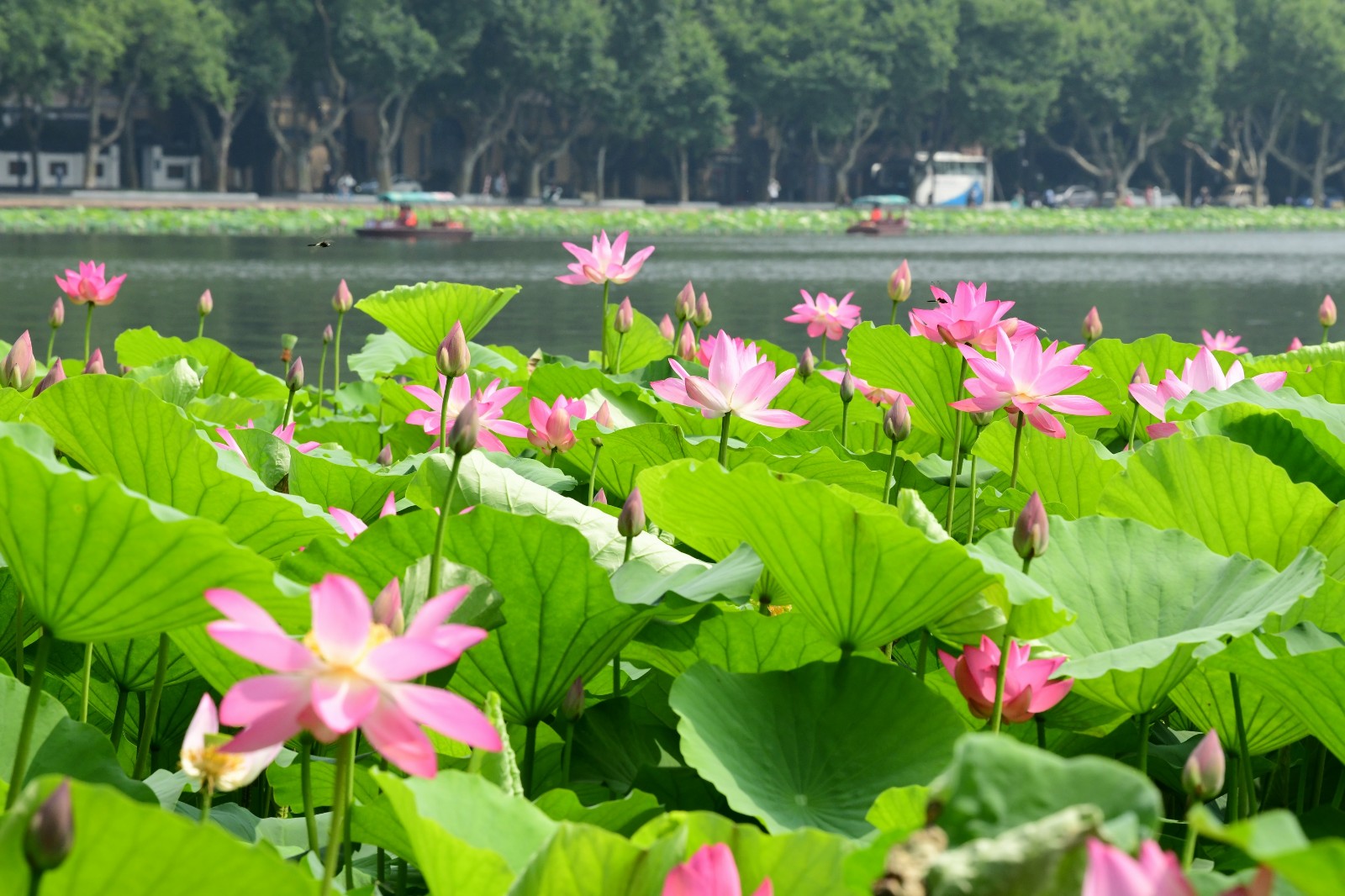
Hangzhou: Summer is hot and humid (25-35°C), with the Meiyu rainy season in June, but it’s also the best time to see the lotus flowers in full bloom across West Lake. The summer evenings are pleasant, with lakeside night markets, boat cruises, and light shows, and fewer crowds in the early morning and late evening.
· Autumn (September-November): The Second Golden Season
Suzhou: Autumn is also a perfect time to visit Suzhou, with mild weather, chrysanthemum exhibitions in the classical gardens, and fall foliage in Tiger Hill and the water towns. The weather is ideal for walking through the ancient city and exploring the gardens, with fewer crowds than the spring peak season.
Hangzhou: Autumn is widely considered the best time to visit Hangzhou, with mild weather (15-28°C), clear blue skies, and the fall foliage turning red and gold across the West Lake hills. The osmanthus flowers bloom in September and October, filling the entire city with a sweet fragrance, and it’s the perfect time for hiking, tea tasting, and exploring the lake.
· Winter (December-February): Low Season, with Quiet Charm
Suzhou: Winter is also cold in Suzhou, but the enclosed classical gardens offer a warm, quiet escape from the cold. The gardens are decorated for the Spring Festival in January and February, with lanterns and traditional decorations, and the water towns are quiet and peaceful, with no crowds. It’s the best time to experience the gardens without the tourist crowds, with discounted ticket prices and low hotel rates.
Hangzhou: Winter is cold (2-10°C), with occasional snowfall, but it’s the quietest time to visit West Lake, with almost no crowds. The snow-covered West Lake is a legendary scenic view, with the Leifeng Pagoda and hills covered in snow, creating a poetic winter landscape. Hotel prices are at their lowest, and it’s the perfect time for a quiet, relaxing getaway.
2. Festival and Event Arrangement Impact
Festivals and events have a significant impact on tourist crowds, accommodation prices, and travel experiences in both Hangzhou and Suzhou. Here’s what you need to know:
· Peak Festival Periods (High Crowds, Higher Prices, Advanced Booking Required)
*Chinese New Year (January-February): Both cities see a surge in domestic tourists, with special festival events, lantern shows, and temple fairs. The fast train from Suzhou to Hangzhou sells out weeks in advance, and hotel prices can double during this period.
*National Day Golden Week (October 1-7): The busiest travel period in China, with massive crowds at all top attractions in both cities, long lines, and fully booked hotels and trains. It’s recommended to avoid this period if possible.
*Qingming Festival (April) and May Day Holiday (May 1-5): These 3-5 day holidays see a surge in domestic tourists, with higher prices and crowded attractions, especially at West Lake and the Suzhou gardens.
· Off-Peak Festival Periods (Unique Experiences, Moderate Crowds
*Dragon Boat Festival (June): The West Lake Dragon Boat Festival offers a unique cultural experience, with moderate crowds compared to the major golden weeks.
*Mid-Autumn Festival (September-October): Both cities offer special moon viewing events, lantern shows, and cultural activities, with moderate crowds and a romantic, festive atmosphere.
*Lantern Festival (15th day of the Lunar New Year): The Tongli Water Town Lantern Festival and West Lake Lantern Show offer iconic cultural experiences, with crowds concentrated in the evening, and lower prices than the Chinese New Year period.
Travel Value & Experience Fit: Suzhou vs Hangzhou
The core difference between Suzhou vs Hangzhou lies not in the cost, but in the unique travel value they deliver, and how well they align with your travel priorities. Whether you’re seeking deep cultural immersion, relaxed natural scenery, family-friendly fun, or a romantic getaway, this guide will help you match your travel needs to the perfect destination, and show you how to unlock the most exclusive, memorable experiences in both Hangzhou and Suzhou.
1. Core Travel Value Positioning Comparison
1. Suzhou’s Core Travel Value
Suzhou delivers irreplaceable value for travelers seeking an authentic, in-depth dive into traditional Chinese literati culture and Jiangnan water town life. Its core value lies in the "microcosm of mountains and rivers" in its classical gardens, the living heritage of thousands of years of Wu culture, and the slow, elegant pace of life that has been preserved for centuries. Travelers who choose Suzhou can step into the daily life of ancient Chinese scholars, experience intangible cultural heritage up close, and escape the hustle and bustle of modern cities in the quiet canals and garden courtyards. Every experience in Suzhou is designed for deep, immersive cultural connection, rather than rushed sightseeing.
2. Hangzhou’s Core Travel Value
Hangzhou offers unparalleled value for travelers wanting a seamless blend of natural landscape beauty, imperial historical heritage, and modern urban leisure. Its core value lies in the "living landscape painting" of West Lake, which integrates seamlessly with the city, the thousand-year-old tea culture that is still thriving today, and the perfect balance of outdoor exploration and urban comfort. Travelers who choose Hangzhou can enjoy panoramic natural scenery without leaving the city limits, experience the heritage of the Southern Song imperial capital, and switch freely between outdoor hiking, cultural sightseeing, and modern leisure experiences. Every experience in Hangzhou is inclusive and diverse, suitable for travelers with different preferences to find their own ideal travel rhythm.
2. Travel Needs & Destination Fit Guide
1. Family & Group Travel Fit
Suzhou is well-suited for family groups with an interest in culture and history. Its compact ancient city layout, interactive intangible cultural heritage experiences, and water town boat rides offer engaging, educational activities for both kids and adults. It is the perfect fit for family groups wanting to combine travel with cultural learning and slow, unrushed exploration.
For family and group travel with travelers of different ages, Hangzhou offers a more inclusive experience fit. Its flat, wide lakeside trails, barrier-free facilities, diverse outdoor and leisure options, and balanced mix of sightseeing and relaxation make it easy to cater to the needs of elderly travelers, children, and adults in the same group. There are plenty of low-intensity activities that the whole family can enjoy together, from lake cruises to tea village visits, ensuring every member of the group has a comfortable, enjoyable experience.
2. Cultural & In-depth Travel Fit
For travelers whose top priority is deep cultural immersion and traditional Chinese art experience, Suzhou is the unmatched choice in the Suzhou vs Hangzhou debate. As the birthplace of Kunqu Opera, Suzhou embroidery, and classical Chinese garden art, it offers layered, in-depth cultural experiences that can’t be found anywhere else in China. Travelers can dive into the philosophy and feng shui design of classical gardens, watch a Kunqu Opera performance in a centuries-old garden theater, learn about the 6,000-year history of silk making, and even participate in hands-on intangible cultural heritage workshops. Every corner of the city tells a story of traditional Chinese literati culture, making it a paradise for cultural travelers and history buffs.
Hangzhou also offers rich cultural experiences for in-depth travelers, focused on imperial history, Buddhist culture, and Chinese tea ceremony heritage. Travelers can explore the legacy of the Southern Song Dynasty, learn about the thousand-year history of Longjing tea, and experience the profound Buddhist culture of Lingyin Temple, making it perfect for travelers interested in imperial history, tea culture, and religious heritage.
3. Short Getaway & Weekend Trip Fit
For a short weekend getaway or a quick break from a nearby city, both Hangzhou and Suzhou are excellent options, with slightly different fits based on your travel goals.
Suzhou is ideal for a short, focused cultural getaway. Its core attractions are concentrated in the ancient city, making it easy to experience the essence of classical gardens and water town culture in a short trip, with a slow, relaxed pace that feels like a true break from daily life.
Hangzhou is perfect for a short leisure and nature getaway. Its diverse mix of lake scenery, urban leisure, and outdoor activities allows travelers to switch between relaxation and exploration freely, making it easy to customize a short trip that fits your preferred pace, whether you want to lounge by the lake, hike through the hills, or explore the city’s food and culture.
4. Romantic Getaway & Special Occasion Travel Fit
Suzhou offers a unique, elegant romantic experience for couples, focused on quiet, intimate moments. A canal boat ride through the ancient town at dusk, a private garden tour after closing hours, a Kunqu Opera performance for two, and a quiet stay in a garden courtyard hotel create a refined, intimate romantic atmosphere that is perfect for couples seeking a quiet, culturally rich getaway away from crowds.
For romantic getaways, anniversaries, honeymoon trips, and special occasion travel, Hangzhou offers a more poetic, immersive romantic atmosphere. The sunset over West Lake, private lake cruises at dusk, secluded tea village retreats, and lakeside fine dining experiences create endless romantic moments. The city’s blend of natural beauty and intimate leisure options makes it easy to craft a memorable, personalized romantic trip, with plenty of private, exclusive experiences for couples.
Traveling Between Suzhou and Hangzhou: Complete Transport Guide
1. Fast Train from Suzhou to Hangzhou: Full Step-by-Step Guide
1. Train Types, Travel Duration & Core Basic Information
The fast train from Suzhou to Hangzhou is the most popular, convenient, and affordable way to travel between the two cities, with over 100 daily services running from 6:00 AM to 10:30 PM every day.
· G-series High-Speed Trains (Recommended for All Travelers): The fastest and most reliable option, with a top speed of 350 km/h. The fastest non-stop service takes just 1 hour and 22 minutes to travel between Suzhou and Hangzhou, with most services taking 1.5-2 hours. These trains are modern, clean, air-conditioned, and offer comfortable seating, free charging ports, and onboard restrooms.
· D-series EMU Trains: A slightly slower, more affordable option, with a top speed of 250 km/h. Travel time ranges from 2-2.5 hours, with slightly lower ticket prices than G-series trains. These trains are also clean and comfortable, with the same onboard amenities.
· Conventional Trains (Not Recommended): Slow trains that take 4-6 hours, with outdated facilities and no significant cost savings compared to the fast train from Suzhou to Hangzhou. Only recommended for travelers on an extremely tight budget with plenty of time.
2. Departure & Arrival Station Guide
Choosing the right station is the #1 way to avoid mistakes when booking the fast train from Suzhou to Hangzhou. Here’s a complete breakdown:
Departure Stations in Suzhou
· Suzhou Railway Station (Most Recommended): Located in the heart of the Suzhou ancient city, just 10 minutes by metro from the Humble Administrator’s Garden and Pingjiang Road. It has the most daily services to Hangzhou, with the fastest non-stop trains departing from here, and excellent metro, bus, and taxi connections to all parts of the city. Perfect for most travelers.
· Suzhou North Railway Station: Located in the Xiangcheng District, 15km north of the ancient city. It is a stop on the Beijing-Shanghai High-Speed Railway, with additional services to Hangzhou, but it is further from the downtown and tourist attractions, with longer travel times to the ancient city. Only recommended if you are staying near the station.
· Suzhou Industrial Park Station: Located in the Suzhou Industrial Park, east of the ancient city. It has a small number of services to Hangzhou, only recommended if you are staying in the industrial park area.
Arrival Stations in Hangzhou
· Hangzhou East Railway Station (Most Recommended): The largest and busiest railway station in Hangzhou, with the most arrivals from the Suzhou to Hangzhou train. It is directly connected to Metro Line 1, which takes you to the West Lake scenic area in just 20 minutes, with excellent bus, taxi, and ride-hailing connections. It has the most frequent services, and is the best choice for 99% of travelers.
· Hangzhou South Railway Station: Located in the Xiaoshan District, 20km south of the West Lake. It has a small number of arrivals from Suzhou, but it is much further from the downtown and tourist attractions, with a 40+ minute metro ride to West Lake. Not recommended for most travelers.
· Hangzhou West Railway Station: Located in the Yuhang District, 25km west of the West Lake. It has very few services from Suzhou, and is extremely far from the core tourist areas. Only recommended if you are staying in the western part of Hangzhou.
3. Train Schedule & Daily Frequency
The fast train from Suzhou to Hangzhou runs daily, with consistent schedules throughout the year, with minor adjustments during peak seasons and holidays.
· First Train: Departs Suzhou Railway Station at 6:05 AM, arrives at Hangzhou East Railway Station at 7:40 AM.
· Last Train: Departs Suzhou Railway Station at 10:28 PM, arrives at Hangzhou East Railway Station at 12:05 AM.
· Peak Hours: 7:00-9:00 AM and 4:00-7:00 PM, with the most frequent services, with a train departing every 10-15 minutes.
· Off-Peak Hours: 10:00 AM-3:00 PM and after 8:00 PM, with services departing every 20-30 minutes.
· Peak Season Adjustments: During Chinese New Year, National Day, and other major holidays, additional temporary services are added to meet demand, but tickets sell out very quickly, so advance booking is essential.
4. Ticket Prices & Seat Classes
Below is the accurate, up-to-date ticket price range for the fast train from Suzhou to Hangzhou.
| Seat Class | Price Range (One-Way) | Key Features | Best For |
| 2nd Class (Most Recommended) | ¥115-¥140 ($16-$20) | 3 seats on one side, 2 on the other, spacious seating, free charging ports, overhead luggage storage | All travelers, budget travelers, families, solo travelers |
| 1st Class | ¥185-¥220 ($26-$31) | 2 seats on each side, wider seating, more legroom, free drinking water, quieter carriage | Travelers wanting more comfort, business travelers |
| Business Class | ¥360-¥400 ($51-$57) | Fully reclining seats, private cabin, free meals and drinks, VIP lounge access at the station, priority boarding | Luxury travelers, business travelers, travelers with special needs |
· Child Tickets: Children under 6 years old travel for free (no seat); children aged 6-14 years old get a 50% discount on the full ticket price. A valid ID/passport is required for all children.
· Student & Senior Discounts: Chinese students with a valid student ID get discounts; seniors over 65 years old get priority boarding and occasional discounts, but no fixed discount for international seniors.
· Price Fluctuations: Ticket prices are fixed for each train, with no dynamic pricing, but peak hour trains and weekend trains sell out faster, with no last-minute discounts.
5. Ticket Booking Step-by-Step Tutorial
Booking the fast train from Suzhou to Hangzhou is easy for international travelers, with multiple reliable options. Here’s the step-by-step guide:
Option 1: Official 12306 International Version (Most Recommended, 100% Reliable)
The official China Railway 12306 app has an international version, which supports English, foreign passports, and international credit cards. This is the only official channel, with no booking fees, and the most up-to-date schedule and ticket information.
· Download the "Railway 12306" app from the App Store or Google Play, and switch the language to English.
· Register an account with your email address, and complete the real-name verification with your passport (you will need to upload a photo of your passport information page, and complete a face verification).
· Once verified, enter your journey details: Departure (Suzhou), Arrival (Hangzhou), Travel Date, and click "Search".
· Select your preferred train, choose your seat class, and add your passenger information (passport details).
· Complete the payment with an international credit card (Visa, Mastercard, JCB are supported), Alipay, or WeChat Pay.
· Once booked, you will receive a confirmation message. You can board the train directly with your original passport, no need to print a physical ticket.
Option 2: Reliable Third-Party Booking Platforms
For travelers who have trouble with the 12306 verification, reliable third-party platforms like Trip.com, Ctrip, and Klook offer English-language booking services for the fast train from Suzhou to Hangzhou, with a small service fee (usually $3-$5 per booking). These platforms are easy to use, support multiple payment methods, and offer customer service in English.
1. Key Booking Tips:
· Tickets are released 15 days in advance of the travel date, at 10:00 AM Beijing time. Book as early as possible for peak season and weekend trains.
· You can book tickets up to 2 hours before the train departs, but it’s recommended to book at least 3 days in advance to secure your preferred seat and train.
· Double-check the station name before booking (Suzhou Railway Station vs Suzhou North, Hangzhou East vs Hangzhou South) to avoid mistakes.
2. Onboard Experience & Luggage Rules
The fast train from Suzhou to Hangzhou offers a comfortable, hassle-free onboard experience, with clear luggage rules for international travelers.
Onboard Amenities:
· All G-series and D-series trains have air conditioning, clean western-style restrooms at the end of each carriage, and free charging ports (USB and 220V power outlets) at every seat.
· Free boiling water is available in every carriage, with disposable cups provided.
· A dining car is available on all trains, offering snacks, drinks, hot meals, and coffee, with prices ranging from ¥10-¥60 ($1.5-$8.5).
· Free WiFi is available on most trains, but the connection can be unstable in rural areas. It’s recommended to download offline maps and entertainment before your trip.
Luggage Rules:
· Each passenger is allowed to carry up to 20kg of luggage for free, with a maximum size of 130cm (length + width + height) per piece.
· Luggage can be stored in the overhead racks above the seats, or in the large luggage storage area at the end of each carriage.
· Prohibited items include flammable materials, explosives, sharp objects (knives, scissors), and large amounts of liquid. You can carry up to 100ml of liquid in your carry-on luggage, with no limit on sealed bottled water.
· Wheelchairs, strollers, and mobility aids are allowed on board for free, with dedicated storage areas in accessible carriages.
3. Station Transfer & Arrival Guide
This guide covers the most popular stations for the fast train from Suzhou to Hangzhou: Suzhou Railway Station (departure) and Hangzhou East Railway Station (arrival).
Suzhou Railway Station Departure Guide:
· Arrive at the station at least 45 minutes before your train departs (60 minutes during peak seasons/holidays) to complete security check and boarding.
· Enter the station through the main entrance, show your original passport to the staff, and go through the security check (all luggage must be scanned).
· Check your ticket confirmation for the boarding gate number, which is displayed on the large screens in the station hall 15 minutes before the train departs.
· Board the train through your assigned gate, and find your seat using the carriage and seat number on your ticket.
Inner-City Transfer to Suzhou Railway Station:
· Metro: Lines 2 and 4 stop directly at the station, with access to the ancient city and all major attractions in 10-15 minutes.
· Taxi/Ride-hailing: A ride from the ancient city to the station costs ¥15-¥25 ($2-$3.5), taking 10-15 minutes.
Hangzhou East Railway Station Arrival Guide:
· After arriving, follow the signs to the exit, and go through the ticket check with your original passport.
Inner-City Transfer from Hangzhou East Railway Station:
· Metro: Line 1 is the most popular option, taking you to West Lake (Longxiangqiao Station) in 20 minutes, for ¥4 ($0.55). Line 4 connects to the Qiantang River and downtown areas.
· Taxi/Ride-hailing: A ride from the station to West Lake costs ¥30-¥50 ($4-$7), taking 20-30 minutes, depending on traffic.
· Bus: Multiple bus lines connect the station to the West Lake scenic area, with fares starting at ¥2 ($0.30), taking 30-40 minutes.
Scam Avoidance Tips:
· Never accept rides from unlicensed "black taxi" drivers who approach you inside the station, as they will overcharge you by 2-3 times the normal fare. Always use official taxi stands or ride-hailing apps like Didi.
· Never give your passport or ticket to strangers who offer to help you with transfers or booking.
4. Common Mistakes to Avoid
Here are the top 8 most common mistakes made by travelers on the fast train from Suzhou to Hangzhou, and how to avoid them:
· Booking the wrong station: The No.1 mistake is booking a ticket to/from Suzhou North instead of Suzhou Railway Station, or Hangzhou South instead of Hangzhou East. Always double-check the station name before booking.
· Arriving at the station too late: Many travelers underestimate the time needed for security check and finding the boarding gate. Arrive at least 45 minutes before departure, 60 minutes during peak seasons.
· Forgetting your original passport: You cannot board the train with a copy of your passport, a photo, or a confirmation email. You must bring the original passport you used to book the ticket.
· Overpacking beyond the luggage limits: Oversized or overweight luggage may not be allowed on board, or may require an additional fee. Stick to the 20kg limit and 130cm size limit per piece.
· Booking tickets too late during peak seasons: During Chinese New Year, National Day, and weekends, tickets sell out 1-2 weeks in advance. Book as early as possible.
· Missing the train because of time zone confusion: All train times are in Beijing Time (GMT+8), regardless of your home time zone. Double-check the time before your trip.
· Bringing prohibited items: Sharp objects, flammable materials, and large amounts of liquid are prohibited. Check the prohibited items list before packing.
· Using unlicensed taxis at the station: Unlicensed drivers will overcharge you, and there is no safety guarantee. Always use official taxi stands or ride-hailing apps.
5. Private Transfer Service
Private transfer services are a premium, hassle-free option for travelers who want comfort and convenience, especially for families, groups, or business travelers.
· Travel Time & Route: Same as self-driving, 2-2.5 hours via the G60 expressway, with a dedicated driver.
· Cost: One-way private transfer costs range from ¥800-¥1500 ($110-$210) for a 5-seat sedan, depending on the car type and service level.
· Pros: Door-to-door service from your hotel in Suzhou to your hotel in Hangzhou, no need to worry about driving, parking, or navigation.
6. Inner-City Transportation Convenience & Congestion Guide
Suzhou Inner-City Transport & Peak Hour Avoidance Tips
Suzhou’s inner-city transport system is designed around the ancient city core, with a focus on preserving the historic canal and garden landscape, and easy access to the water towns.
· Congestion Situation: The busiest areas are the ancient city core, Pingjiang Road, Shantang Street, and the railway stations, with peak congestion during weekends, public holidays, and 8:00-9:00 AM / 5:00-6:00 PM on weekdays. The ancient city has narrow streets, so traffic jams are common during peak tourist times.
7. Peak Hour Avoidance Tips:
· Avoid driving in the ancient city core during weekends and holidays, as parking is limited and traffic is heavy.
· Visit the most popular gardens (Humble Administrator’s Garden, Lingering Garden) early in the morning (before 9:00 AM) to avoid crowds and traffic.
· Use the metro to travel between the ancient city and the new districts, as it avoids road congestion entirely.
8. Recommended Transport Options:
· Metro: 5 metro lines covering the ancient city, railway stations, and nearby water towns. Line 1 and Line 4 connect the ancient city to Suzhou Railway Station, with fares starting at ¥2 ($0.30), running from 6:00 AM to 11:00 PM.
· Walking & Canal Boat: The best way to explore the ancient city core, with pedestrian-only streets like Pingjiang Road, and traditional canal boat rides through the old town, costing ¥150-¥200 ($21-$28) per boat for up to 6 people.
· Bike-Sharing: Shared bikes are available throughout the city, perfect for exploring the ancient city and the canals, with fares starting at ¥1.5 ($0.20) per 30 minutes.
· Taxi/Ride-hailing: Didi is the most popular ride-hailing app, with fares starting at ¥12 ($1.70) for the first 3km. Avoid ride-hailing in the ancient city during peak tourist times.
9. Metro, Taxi & Ride-hailing Comparison
Transport Mode | Suzhou | Hangzhou |
| Metro Coverage | 5 lines, covers ancient city, stations, key attractions | 12 lines, covers all tourist areas, West Lake, stations |
| Metro Fare | ¥2-¥8 per trip | ¥2-¥9 per trip |
| Taxi Starting Fare | ¥12 for first 3km | ¥13 for first 3km |
| Ride-hailing Availability | Excellent, 2-5 minute wait in most areas | Excellent, 2-5 minute wait in most areas |
| English Support | Didi app supports English, metro has English announcements | Didi app supports English, metro has English announcements |
| Best For | Short trips around the ancient city, travel to/from the station | Long trips across the city, travel to West Lake from the station |
Essential Travel Tips for Suzhou & Hangzhou
1. Best Accommodation Areas Recommendation
Suzhou Best Areas to Stay:
· Suzhou Ancient City: Best for first-time visitors, walking distance to the classical gardens, Pingjiang Road, and the canal, with a mix of hotels and guesthouses.
· Near Suzhou Railway Station: Best for travelers using the fast train from Suzhou to Hangzhou, with easy access to the station and metro, affordable hotel options.
· Tongli/Zhouzhuang Water Towns: Best for slow travel, immersive water town experience, with boutique guesthouses and historic courtyard stays.
Hangzhou Best Areas to Stay:
· West Lake Lakeside Area: Best for first-time visitors, steps from the lake and all core attractions, with a wide range of hotels from budget to luxury.
· Hefang Old Street & Southern Song Imperial Street: Best for cultural travelers, close to historic sites, food streets, and the metro.
· Longjing Tea Village: Best for slow travel and nature lovers, secluded, surrounded by tea plantations, with boutique guesthouses.
2. Language & Communication Tips for International Travelers
Most staff at major tourist attractions, hotels, and railway stations speak basic English, but very few locals in smaller restaurants, street markets, and water towns speak English.
Download translation apps like Google Translate (with offline Chinese pack downloaded) or DeepL, which offer camera translation for menus and signs.
Save these useful Chinese phrases for your trip:
· Ni hao - Hello
· Xièxie - Thank you
· Duoshao qián - How much is it?
· Huochezhàn zài nali - Where is the railway station?
· Wo bù huì shuo zhongwén - I can’t speak Chinese
· Qing bang wo - Please help me
Payment & Money Usage Guide
· Alipay and WeChat Pay are the most widely used payment methods in China, accepted at almost all hotels, restaurants, shops, and tourist attractions. International travelers can now link international credit cards (Visa, Mastercard) to Alipay, with no need for a Chinese bank account.
· Cash is rarely used in daily life, but it’s recommended to carry ¥500-¥1000 in cash for small street vendors, rural areas, and emergency situations.
· Currency exchange is available at major airports, railway stations, and large banks, with the best exchange rates at banks.
· Most international credit cards are accepted at large hotels, high-end restaurants, and shopping malls, but not at small shops, street markets, or public transport.
Local Etiquette & Cultural Taboos
· When visiting Buddhist temples (like Lingyin Temple), dress modestly, covering your shoulders and knees, and do not touch or climb on the Buddha statues.
· Do not take photos of local people without their permission, especially elderly people in the water towns and rural areas.
· When dining with locals, wait for the host to start eating before you begin, and do not stick your chopsticks upright in a bowl of rice (it is associated with funeral rituals).
· Do not litter in the scenic areas, especially in the West Lake and classical gardens, which are protected UNESCO sites.
· Tipping is not a common practice in China, and most restaurants and hotels do not expect tips. It is not required, but you can give a small tip for exceptional service if you wish.
3. Common Scams Avoidance Tips
· Tea House Scam: Avoid strangers who approach you offering to take you to a “local tea house” for a tea tasting, as they will charge you an exorbitant bill at the end. Only visit tea houses you have researched in advance.
· Fake Tour Guide Scam: Avoid unlicensed tour guides who approach you at the railway station or tourist attractions, offering cheap tours. They will take you to overpriced shops and force you to buy souvenirs. Only use licensed tour guides from reputable agencies.
· Black Taxi Scam: As mentioned earlier, never accept rides from unlicensed taxi drivers inside the station, as they will overcharge you. Always use official taxi stands or ride-hailing apps.
· Fake Ticket Scam: Never buy train or attraction tickets from strangers, as they are almost always fake. Only book tickets via the official 12306 app, official attraction websites, or reputable third-party platforms.
· Water Town Boat Scam: Avoid unlicensed boat drivers in the water towns who offer cheap rides, as they will take you on a very short route and charge you extra fees at the end. Only use official boat services with fixed prices.
At the end of the day, there is no wrong choice in the Suzhou vs Hangzhou debate — both cities are the crown jewels of China’s Jiangnan region, offering unforgettable travel experiences that live up to the “heaven on earth” reputation.If you crave wide-open natural scenery, imperial history, and a mix of urban convenience and outdoor beauty, Hangzhou is the perfect destination for you. If you want to immerse yourself in classical Chinese art, ancient garden design, and the quiet elegance of water town life, Suzhou will capture your heart.And with the fast train from Suzhou to Hangzhou connecting the two cities in just 1.5 hours, there’s no need to choose at all. A dual-city trip lets you experience the best of both worlds: the poetic beauty of West Lake and the refined charm of Suzhou’s gardens, all in one seamless, unforgettable journey.
Suzhou vs Hangzhou Tours Recommended by Your Way Holiday
We design private and Tailor-made Suzhou Tours customized to your style of travel at affordable local prices. We will provide a private & spacious car and a local professional tour guide with over 5 years guiding experience only work for you or your group. Transport, ticket, and dining (We find the most authentic dishes popular with locals) all we will arrange for you according your requirements. Please check our most popular tours below:
 9-Day Eastern China Tours: Shanghai Suzhou Hangzhou Huangshan Tour
 8 Days Shanghai Hangzhou Suzhou Wuxi Nanjing Yangzhou Tour
Are the above sample tour programs not suitable for you? Dont worry, our Suzhou tours can be tailor-made based on your requirements and budget to create unique Suzhou experiences that allow you to interact with the local people and culture. We are Suzhou travel experts who know what your guidebook and foreign agencies don't. Our enthusiastic tour expert will promptly reply you in details within 24 hours.
Wechat: YourWayHolidayAsia
24 Hours Hotline:
+86 137-3541-1378
* Authentic Experiences: Genuine local experiences that immerse you in the true essence of Suzhou and beyond.
* Safety First: Highest safety standards with secure activities and reliable transportation.
* Customizable Tours: Flexible itineraries tailored to your interests and needs.
* Local Expertise: In-depth knowledge of Suzhou and China, offering exclusive insights.
* Professional Guides: Licensed bilingual guides with over 5 years of experience.
* Comfortable Travel: Experienced drivers and well-maintained vehicles for a smooth journey.
* Sustainable Tourism:Commitment to responsible tourism and supporting local communities.
* Customer-Focused: Personalized service and continuous improvement based on your feedback.
* Free Cancellation: Cancel up to 24 hours before travel for flexibility and peace of mind.
* 24/7 Support: Round-the-clock assistance for any questions or help needed.
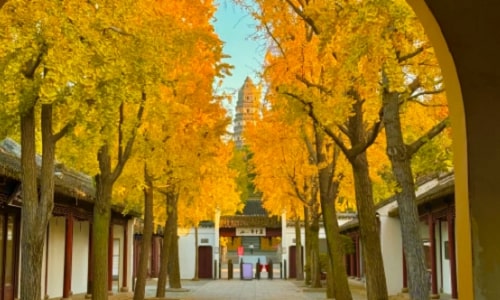 Tiger Hill (Huqiu) Travel Guide: Exploring Suzhou’s Iconic Leaning Pagoda
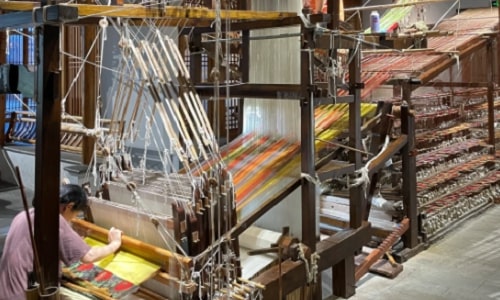 Exploring Suzhou No. 1 Silk Factory: A Journey into the Heart of China’s Silk Industry
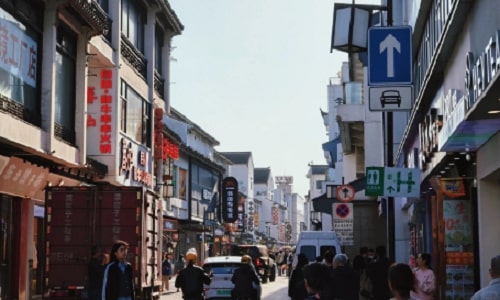 Exploring Guanqian Street in Suzhou: A Blend of Tradition, Shopping, and Local Flavors
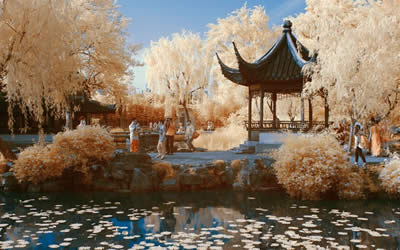 Humble Administrator’s Garden Suzhou: Complete Visitor Guide to Zhuozheng Garden, History, Highlights & Tips
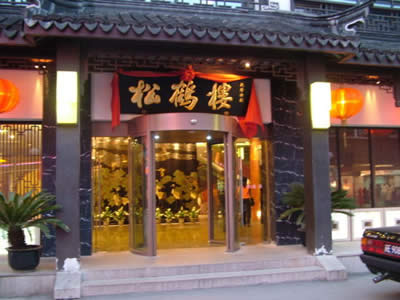 Song He Lou Suzhou: A Culinary Journey through Suzhou’s Historic Songhelou Restaurant
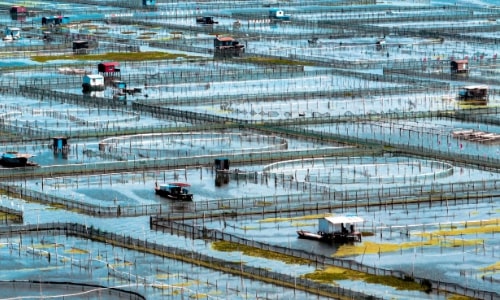 Yangcheng Lake Hairy Crab Guide: The King of Crabs in China
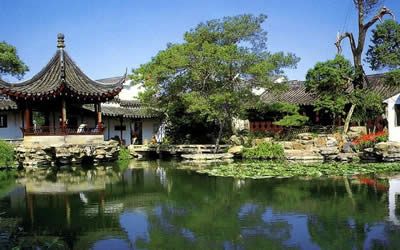 Master of the Nets Garden Suzhou: A Complete Guide to China’s Most Exquisite Classical Night Garden
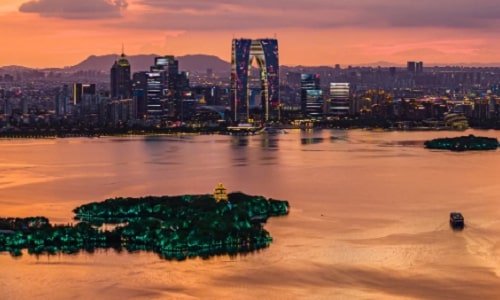 Jinji Lake Suzhou Travel Guide: What to See and Do Around Suzhou’s Modern Landmark
1 to 1 tailor-made service from our professional travel advisors for the most sophisticated
Constantly excellent reviews for attraction, hotel and service Competitive price
Local experts provide quality tours Best selected knowledgeable local guides Authentic local restaurants
7*24 hours available to create you a worry-free tour. No Hidden Fees and absolutely no pressure to buy. Secured









Copyright © 2017 Suzhouprivatetour.com All rights reserved. 浙ICP备18056007号-4