24 Hours Hotline: +86 137-3541-1378
Email:[email protected]
24 Hours Hotline: +86 137-3541-1378
Email:[email protected]

Suzhou, a city renowned for its classical gardens and water towns, holds an irreplaceable position in China’s culinary map. Suzhou cuisine, also known as Su bang cai, is the representative of Jiangnan cuisine—a school of Chinese food that emphasizes delicacy, freshness, and harmony. Unlike other regional cuisines that tend to be heavy or spicy, Suzhou dining features a unique flavor system of “sweet but not cloying, fresh but not plain,” which has been polished and inherited for thousands of years.
The charm of Suzhou dining is closely intertwined with its garden culture, water town scenery, and Wu culture. Just as Suzhou gardens pursue “a world in a single step,” Suzhou cuisine pursues “a taste of elegance in every bite.” The ingredients are mostly sourced from local rivers and lakes, and the cooking techniques are refined to highlight the original flavor, which is a reflection of the Wu people’s gentle and delicate lifestyle.
This blog covers all aspects of Suzhou dining to help you fully explore the food culture of this city:
· What to Eat: Must-try Suzhou dishes, street snacks, home-style food and desserts
· Where to Eat: Top Suzhou food streets, food markets, time-honored restaurants and modern diners
· How to Eat: Dining etiquette, food and tea pairing skills, ordering tips
· Dining Guide for Different Groups & Times: Itineraries for travelers, vegetarians, seasonal dining tips
 Ultimate Suzhou Day Trip with Suzhou Hotel & Train Station Pickup
 Classic Suzhou 1 Day Tour With Suzhou Hotel & Train Station Pickup
What to Eat in Suzhou: Must-Try Suzhou Dishes
Top 10 Must-Try Signature Dishes
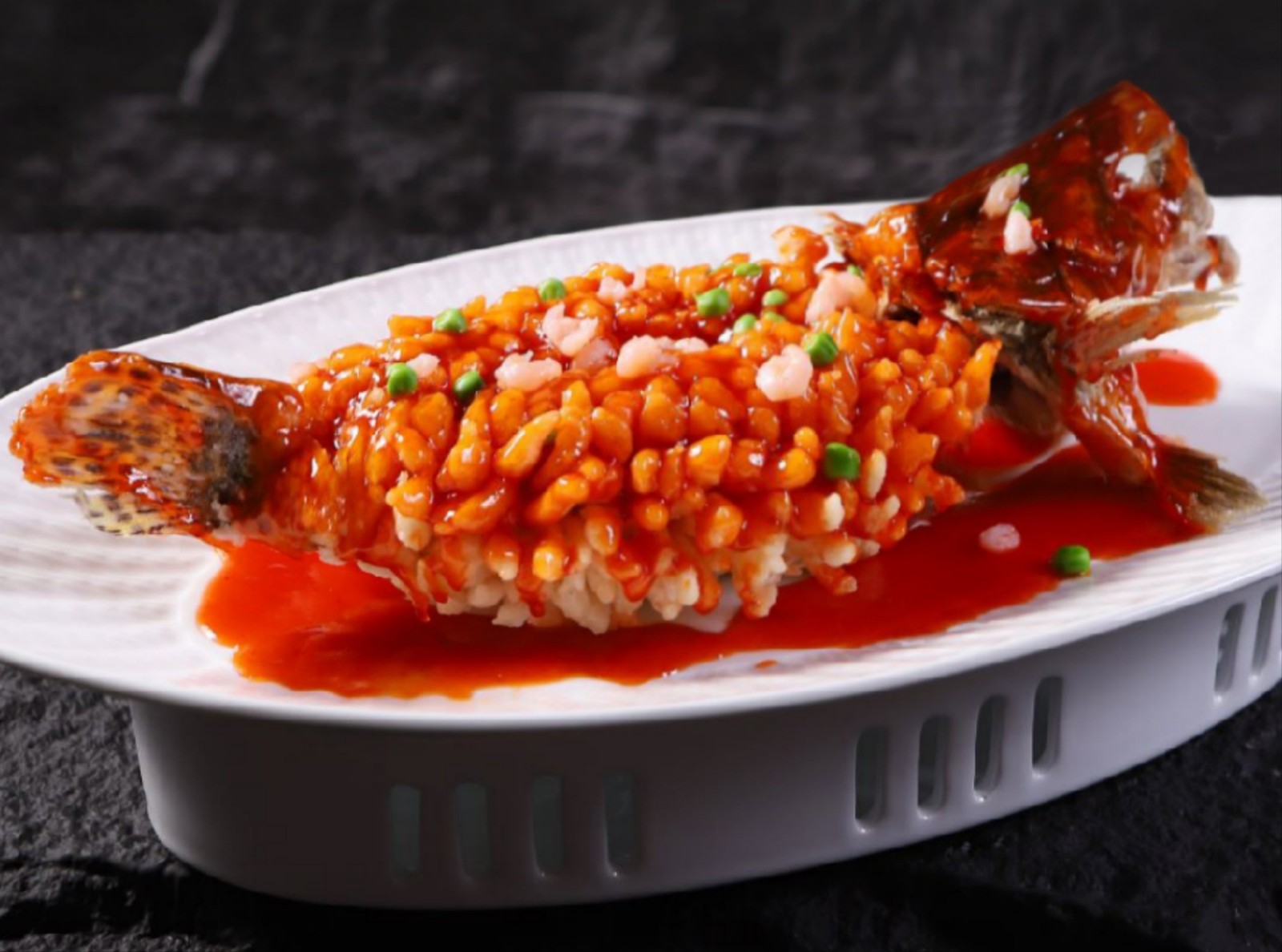
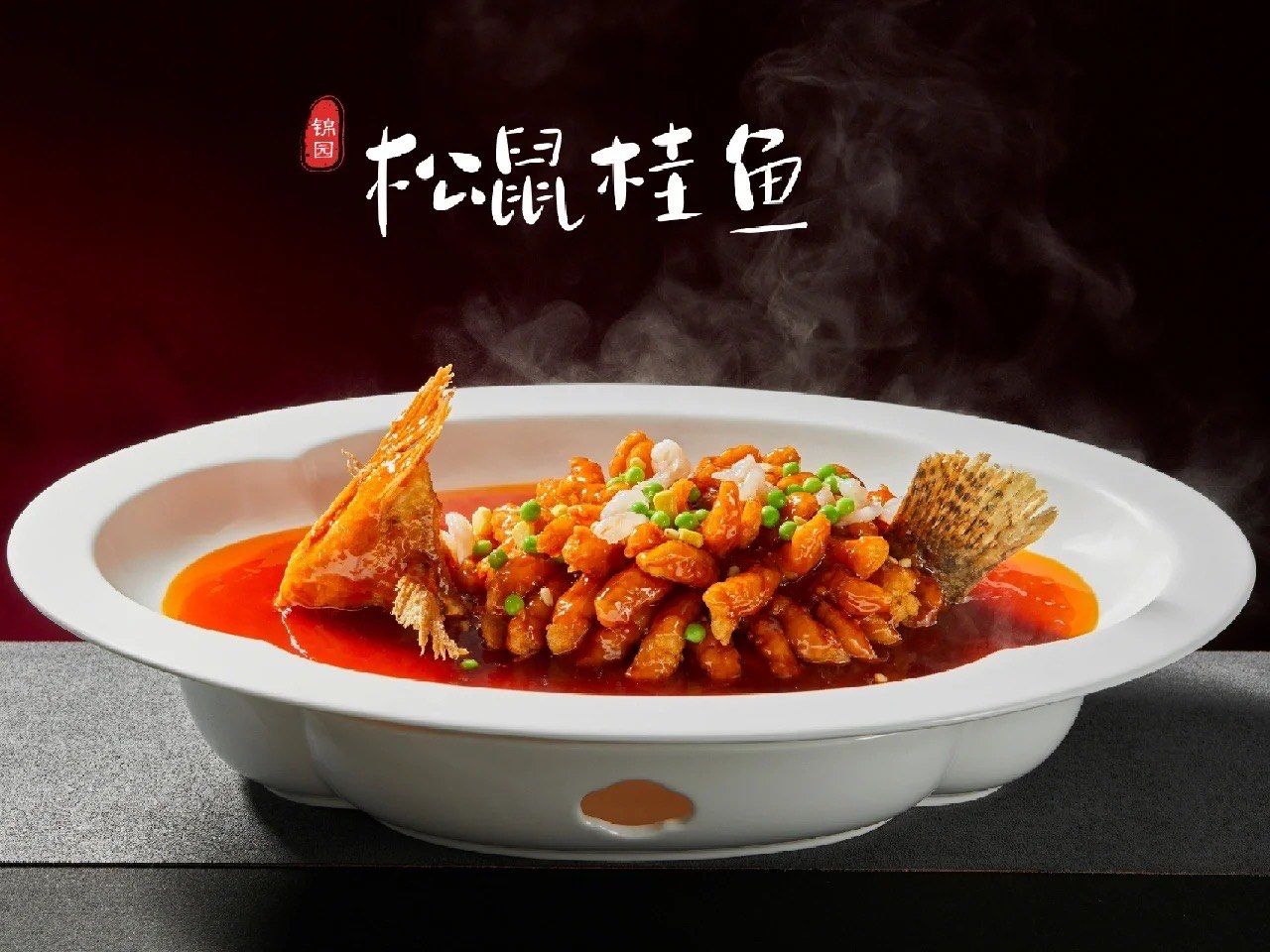
1. Squirrel-shaped Mandarin Fish
A whole mandarin fish is skillfully cut to resemble a squirrel’s tail, battered, deep-fried until incredibly crispy, and then immediately topped with a hot, sweet-and-sour sauce (often made with tomato, vinegar, and sugar). The sauce sizzles as it hits the fish, creating a "chattering" sound reminiscent of a squirrel.
· Core Highlight:
Exquisite traditional knife work, perfectly balanced sweet-sour flavor, crispy outside and tender inside; the most representative dish of Suzhou cuisine, a must-order at local banquets.
· Quick Essential Facts:
- Cultural Background: Originated in the Qing Dynasty, once a royal court dish; the squirrel shape symbolizes prosperity and joy.
- Ingredient Source: Fresh 500-700g mandarin fish from Taihu Lake, wild-caught fish offers firmer texture.
- Best Season: Year-round availability, spring and autumn fish have richer flavor.
- Price Range: 180-350 RMB per dish (varies by fish weight, season and restaurant grade).
- Suitable For: All ages, families, couples and banquet guests (non-spicy, not overly greasy).
- Allergy Alert: Avoid for fish allergy sufferers; sauce contains gluten (soy sauce).
· Pro Tips for Visitors:
- Eat immediately while hot – crispiness fades within 15 minutes, takeout is not recommended.
- Pair with plain rice to balance sweetness, Biluochun tea to cut greasiness, or osmanthus wine to enhance the sweet-sour taste.
- Pre-order is highly recommended at time-honored restaurants, as the dish takes 20-30 minutes to prepare; you can request "less sugar" if preferred.
- Common misunderstanding: Authentic Suzhou version uses mandarin fish (not carp) with hand-cut knife work, not ordinary sweet and sour fish.
· Recommended Restaurants:
1. Song He Lou (Guanqian Flagship Store)
- Address: No.72 Taijianong, Guanqian Street, Gusu District, Suzhou, Jiangsu Province
- Contact: +86 0512-67700688
- Opening Hours: 11:00-14:00, 17:00-20:30 (extended hours during peak tourist seasons)
- Average Cost: 150-258 RMB per person
- Best For: First-time visitors to Suzhou, traditional food culture enthusiasts, guests seeking an authentic historical dining experience.
2. Su Cheng Jia Yan (Li Gongdi Store)
- Address: No.43-45 Ligongdi Road, Wuzhong District, Suzhou, Jiangsu Province
- Contact: +86 0512-62875088
- Opening Hours: 11:00-14:00, 16:30-21:00
- Average Cost: 180-229 RMB per person
- Best For: Diners who value overall dining environment and experience, family gatherings, business banquets, and elegant friend gatherings.
2. Suzhou-style Soup Dumplings
Suzhou-style Soup Dumplings are a masterpiece of delicate craftsmanship. Featuring a translucent, paper-thin wrapper that holds a burst of clear, savory broth and tender pork filling, they are steamed to perfection. Unlike their Shanghai cousins, they offer a lighter, subtly sweet flavor. Enjoyed by first sipping the hot soup, they are the quintessential expression of Suzhou's refined breakfast and tea-time culture.
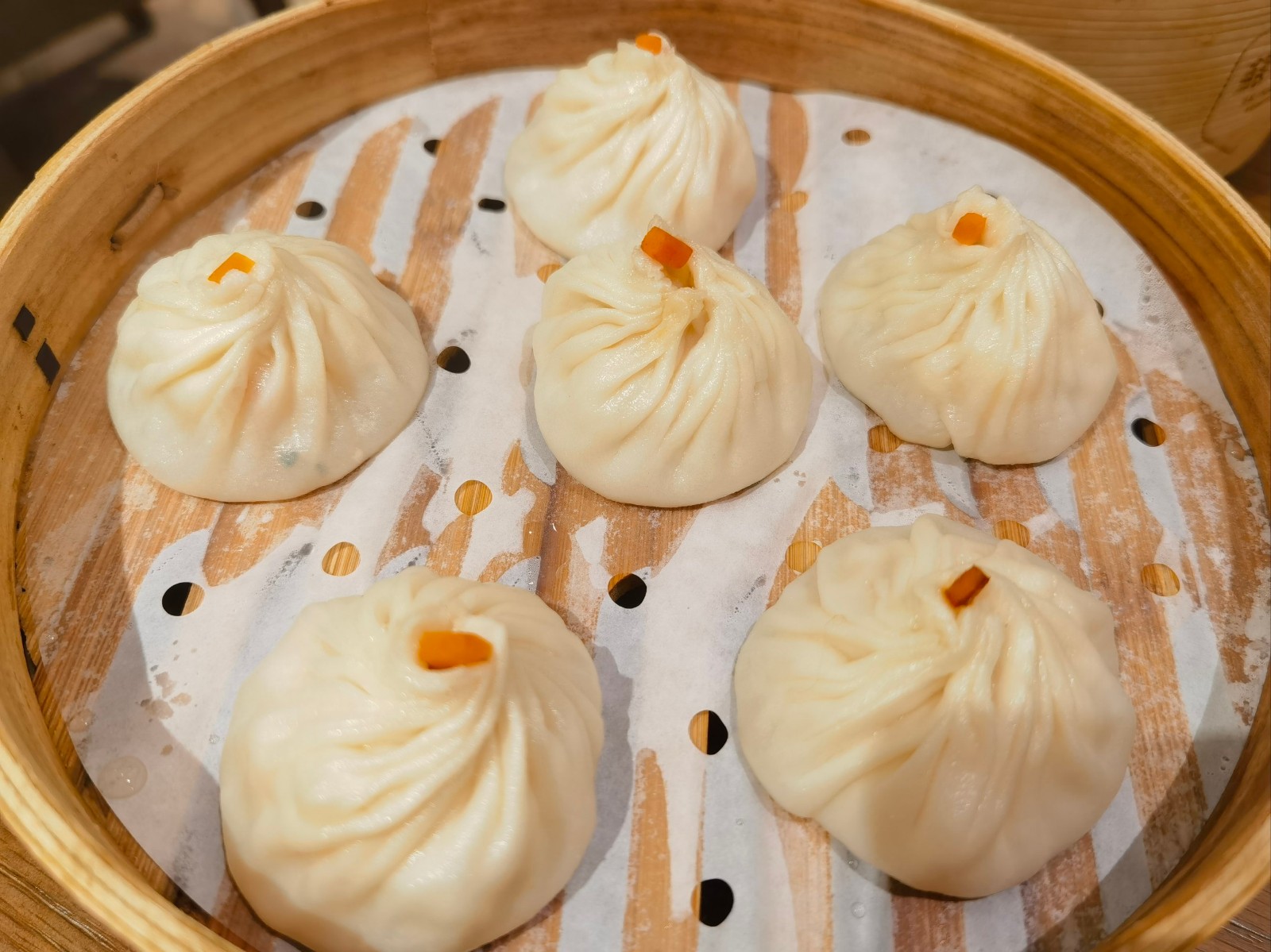
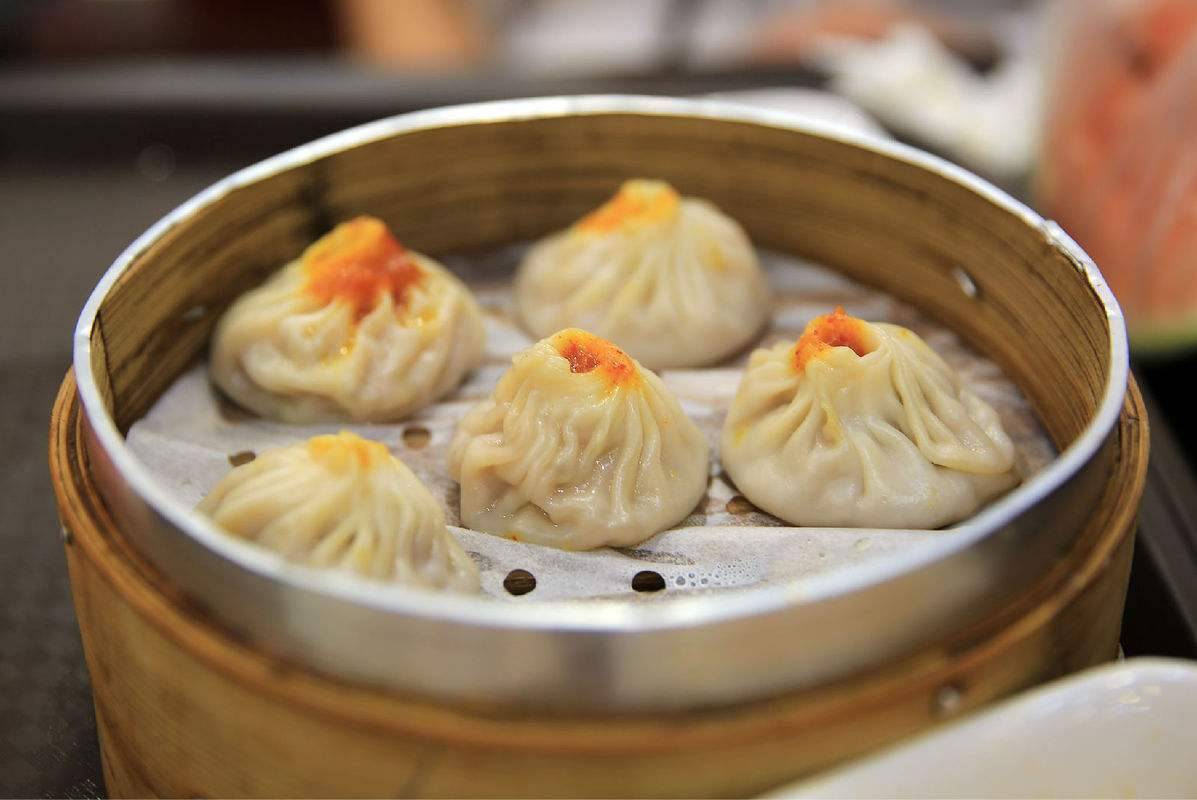
· Core Highlight:
Thin wrappers, abundant clear soup, and a light, sweet, non-greasy taste that perfectly shows Suzhou’s refined, delicate culinary character.
· Quick Essential Facts:
- Cultural Background: Developed from Song Dynasty soup dumplings, famous for thin skins and natural broth without extra gelatin.
- Core Ingredients: High-gluten wrappers, local 3:7 pork belly, slow-simmered skin broth; seasonal fillings: autumn crab, summer shrimp.
- Best Season: Available year-round; crab roe flavor peaks Sep–Oct, shrimp in summer.
- Price Range: 20-30 RMB/8 pieces (classic pork); 35-45 RMB/8 pieces (crab meat filling).
- Suitable For: Breakfast goers, afternoon tea lovers, families with kids (non-spicy, easy to eat).
- Allergy Alert: Avoid for pork/seafood allergy sufferers; wrappers contain gluten (wheat flour).
· Pro Tips for Visitors:
- Eating method: Pick gently, bite a small hole, sip soup first, then dip in ginger vinegar.
- Pairings: Soy milk for breakfast, Biluochun for tea time, pickled ginger to refresh.
- Queue note: Busy 7:30–9:00 and 14:00–16:00; ask for freshly steamed.
- Difference: Thinner skin, lighter soup, no ginger in filling vs Shanghai style.
- Takeaway: Use vacuum pack; reheat with damp paper; eat within 2 hours.
· Recommended Restaurants:
Zhu Hongxing Noodle Shop (Guanqian Street Branch)
- Address: No.108 Gong Lane, Gusu District, Suzhou, Jiangsu Province (near Guanqian Street)
- Contact: +18662190778
- Opening Hours: 09:30-20:30 daily
- Average Cost: 8-68 RMB per person
- Best For: Travelers seeking authentic old Suzhou street food vibe, budget visitors, breakfast lovers.
Xi Sheng Yuan (Fenghuang Street Store)
- Address: No.43 Fenghuang Street, Gusu District, Suzhou, Jiangsu Province
- Contact: +86 0512-65128707
- Opening Hours: 06:30-19:00 daily
- Average Cost: 3-35 RMB per person
- Best For: Diners who value dining environment and food hygiene, family gatherings, casual friend meetups, those preferring optimized modern flavor based on tradition.
3. Suzhou-style Braised Pork
The signature comfort food of Jiangnan cuisine, this dish features glossy, deep-red pork cubes with a melt-in-your-mouth texture. It strikes a perfect balance between savory soy sauce and mellow rock sugar sweetness, slow-simmered to render fat without greasiness, fully embodying Suzhou's iconic "sweet-led, savory-followed" flavor philosophy.
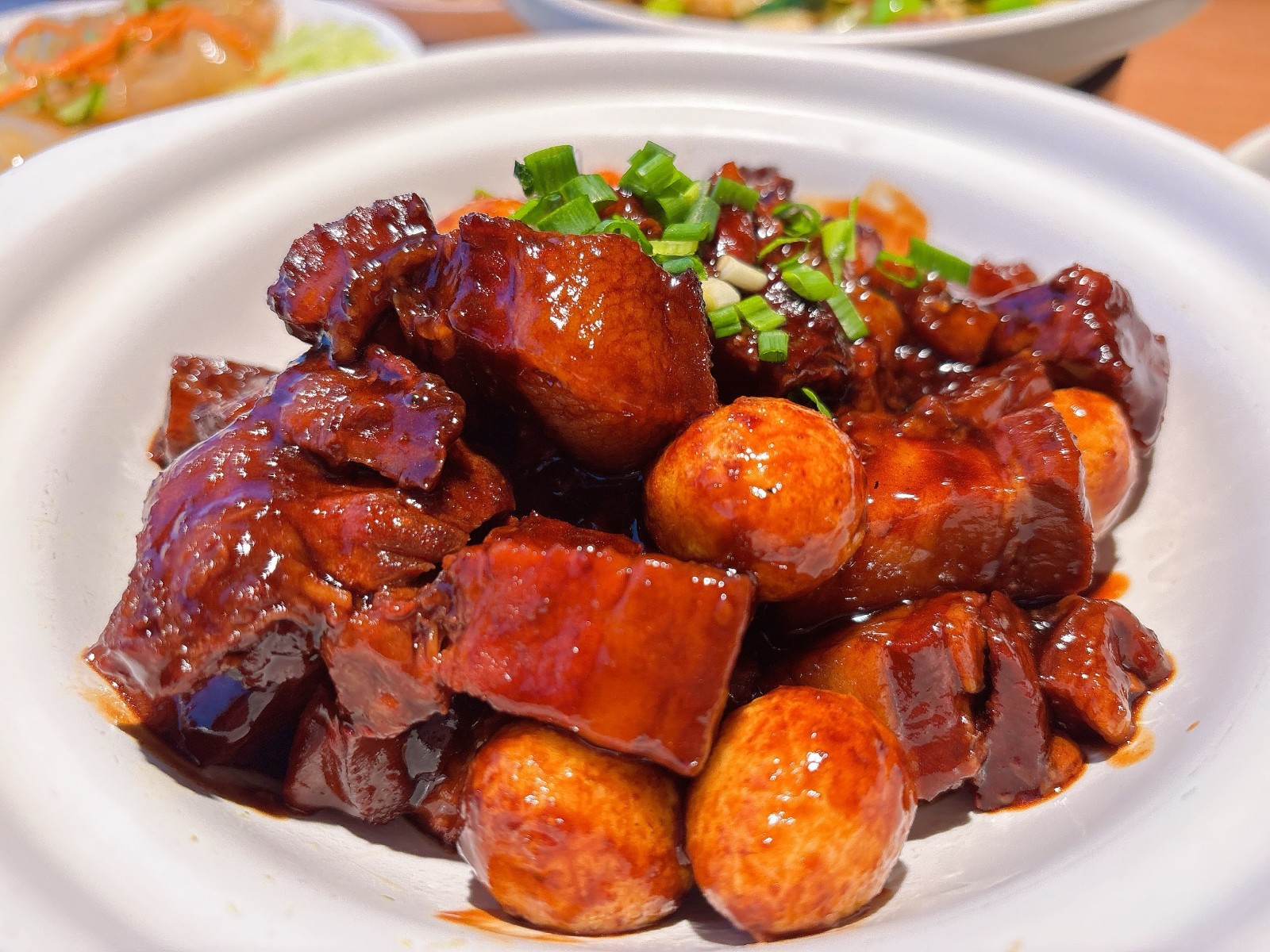
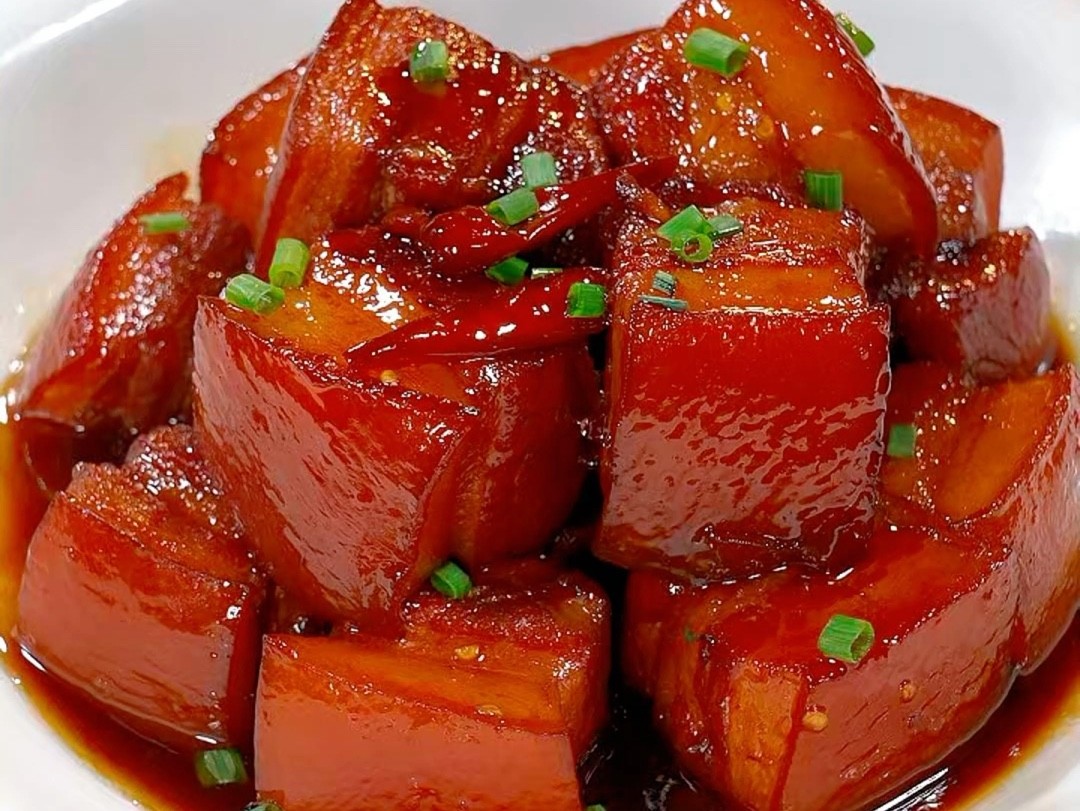
· Core Highlight:
Agate-red glossy appearance, melt-in-your-mouth texture, perfectly balanced sweet and savory flavor, a centerpiece dish for Suzhou festivals and family feasts.
· Quick Essential Facts:
- Cultural Background: Inherited from Yuan-Ming cooking methods, refined in Suzhou gardens, symbolizing reunion and prosperity.
- Core Ingredients: Taihu black pig three-layer pork, local rock sugar, aged soy sauce, Shaoxing wine, a touch of Zhenjiang vinegar.
- Best Season: Year-round; especially hearty and comforting in winter.
- Price Range: 68-98 RMB/dish (serves 2-3 people; varies by pork quality and restaurant grade; single-person small portions available).
- Suitable For: Meat lovers, family gatherings, comfort food seekers; not ideal for low-carb diets.
- Allergy Alert: Avoid for pork allergy sufferers; contains soy and gluten (soy sauce); high in protein and fat.
· Pro Tips for Visitors:
- Enjoy with both lean and fat; sauce over rice tastes best.
- Pair with green vegetables or light tea to cut richness.
- Ask for less sugar if you prefer lighter sweetness.
- Not overly sweet – sugar balances umami, not dominates.
- Reheat by steaming to keep tender; flavor deepens overnight.
· Recommended Restaurants:
Song He Lou (Guanqian Flagship Store)
- Address: No.72 Taijianong, Guanqian Street, Gusu District, Suzhou, Jiangsu Province
- Contact: +86 0512-67700688
- Opening Hours: 11:00-14:00, 17:00-20:30 (extended hours during peak tourist seasons)
- Average Cost: 150-200 RMB per person
- Best For: First-time Suzhou visitors, traditional food culture enthusiasts, guests seeking the benchmark classic Suzhou flavor.
Wu Men Ren Jia (Panru Lane Main Store, Near Guanqian Street)
- Address: No. 246 Guanqian Street, Pingjiang Subdistrict, Gusu District
- Contact: +18251124317
- Opening Hours: 09:30-21:30
- Average Cost: 80-120 RMB per person
- Best For: Diners seeking authentic home-style Suzhou flavors, those who love a warm down-to-earth dining atmosphere, and family gatherings.
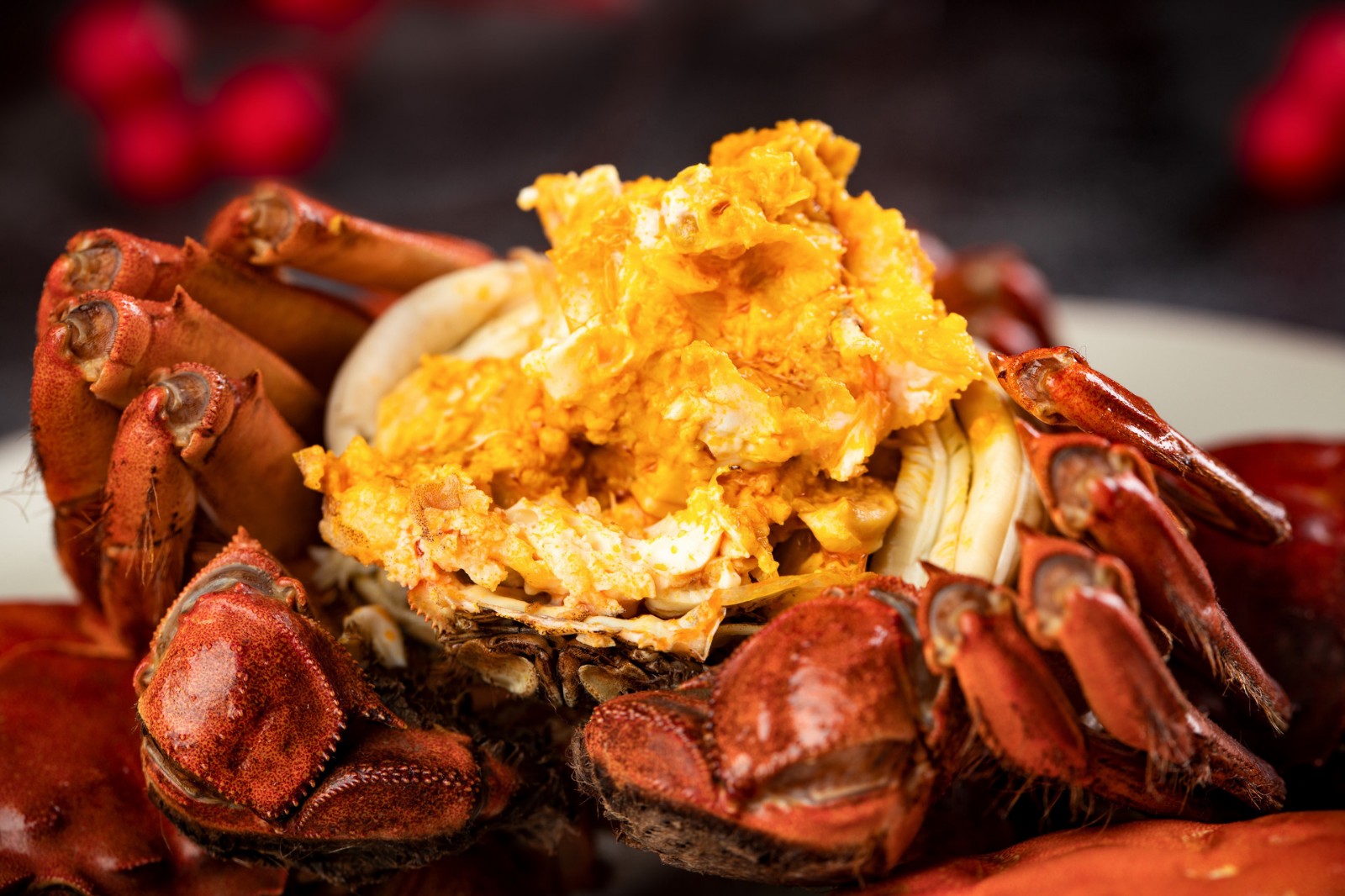
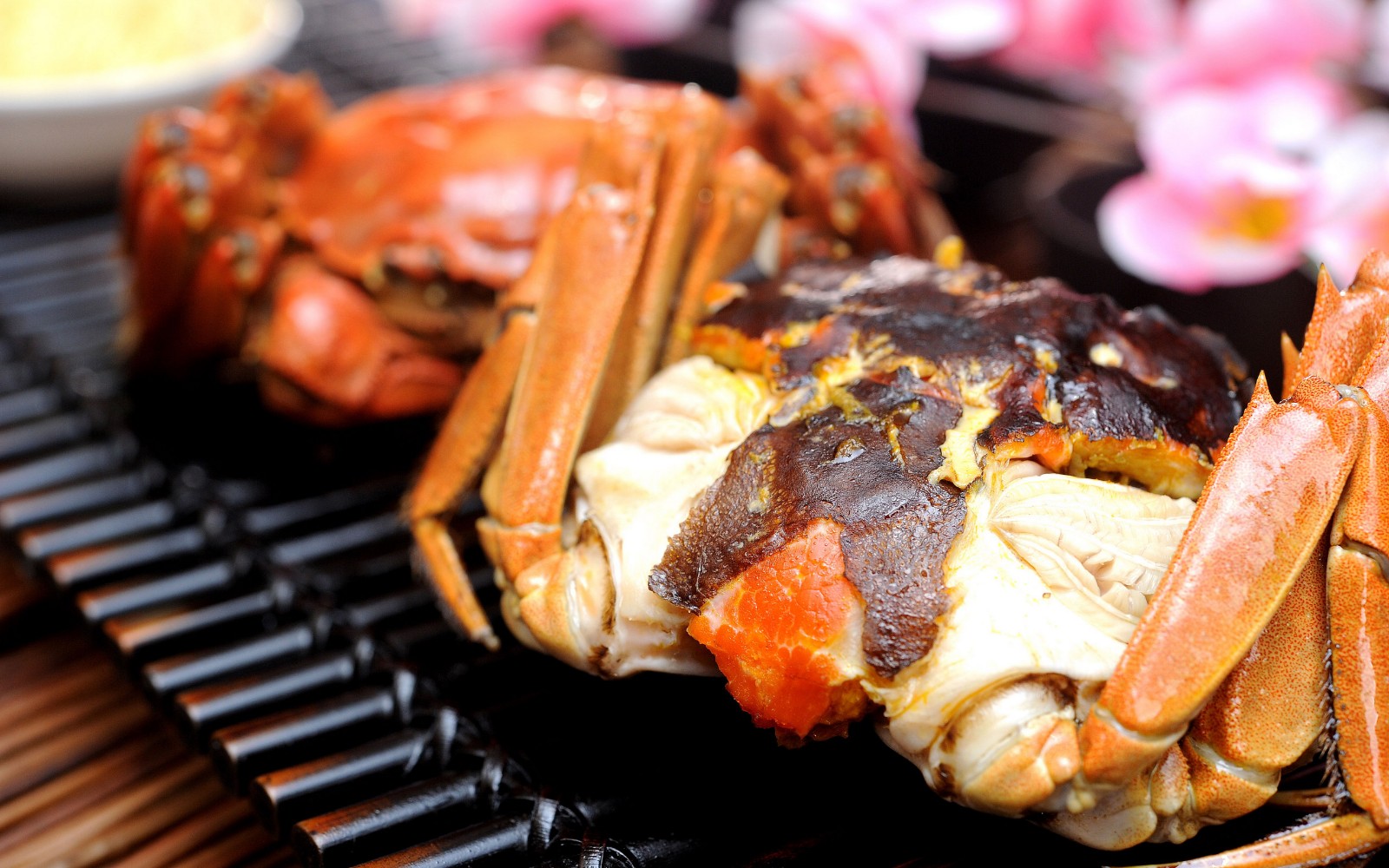
4. Yangcheng Lake Hairy Crab
The Yangcheng Lake Hairy Crab is China's ultimate autumn delicacy. Prized for its sweet meat and rich roe, it is best simply steamed from September to November. This seasonal treasure embodies the refined culinary tradition of Suzhou and the Jiangnan region.
· Core Highlight:
Known as the “Crown Jewel of Golden Autumn”, it has plump roe (female) and creamy paste (male), firm sweet meat with no muddy taste, the ultimate autumn feast in Jiangnan.
· Quick Essential Facts:
- Cultural Background: A celebrated delicacy for over a thousand years, praised by poets like Su Dongpo; a symbol of refined seasonal dining and festive reunion.
- Authentic Identification: Four classic features — green back, white belly, golden claws, yellow fur; hard smooth shell and clean, fresh flavor.
- Best Season: Late September to November; “9th lunar month for females, 10th for males” for the fullest roe and paste.
- Price Range: 60–220 RMB per crab (daily fluctuation); crab feast sets 200–500 RMB/person.
- Suitable For: Seafood lovers, seasonal food enthusiasts, ceremonial dining; not recommended for pregnant women or those with weak digestion.
- Allergy Alert: Avoid if allergic to shellfish; high in purines (not for gout patients); cold in TCM nature.
· Pro Tips for Visitors:
- Eating method: Use crab tools; dip in ginger-infused Zhenjiang vinegar; pair with warm Shaoxing wine to balance coldness.
- Food taboos: Do not eat with iced drinks, persimmons, or strong tea to avoid stomach discomfort.
- Ordering tips: Book at least 1 week ahead for Oct–Nov weekends; confirm liveliness, weight, and gender.
- Takeaway advice: Choose live certified crabs; cooked crabs must be eaten within 4 hours.
- Post-meal tip: Finish with warm Longjing tea or ginger tea to warm the stomach.
· Recommended Restaurants:
De Yue Lou (Guanqian Flagship Store)
- Address: No.43 Taijianong, Guanqian Street, Gusu District, Suzhou, Jiangsu Province
- Contact: +86 0512-65222230
- Opening Hours: 10:30-13:30, 16:30-20:30 (extended hours during crab peak season)
- Average Cost: 200-350 RMB per person
- Best For: Business banquets, important family gatherings, guests seeking an elegant formal Suzhou-style crab feast.
Jiangnan Crab Pavilion (Yangcheng Lake Lotus Island Store)
- Address: Lotus Island, Yangcheng Lake Tourist Resort, Xiangcheng District, Suzhou, Jiangsu Province (accessible by ferry/speedboat from Yangcheng Lake Dock)
- Contact: +13862161499
- Opening Hours: 09:00-22:00 daily (only open during crab season: September-December)
- Average Cost: 200-500 RMB per person (crab feast set menu)
- Best For: Gourmands seeking ultimate freshness, family trips, diners wanting to escape the city and enjoy nature with authentic lake food.
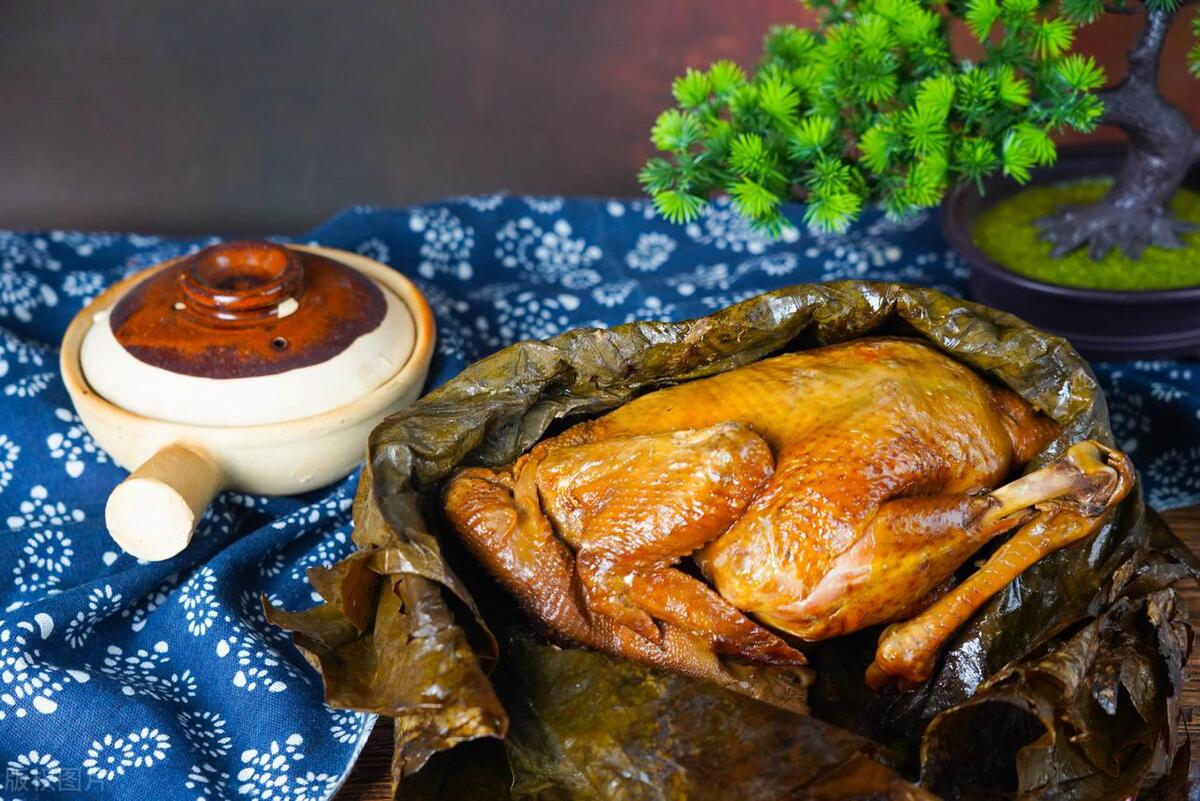
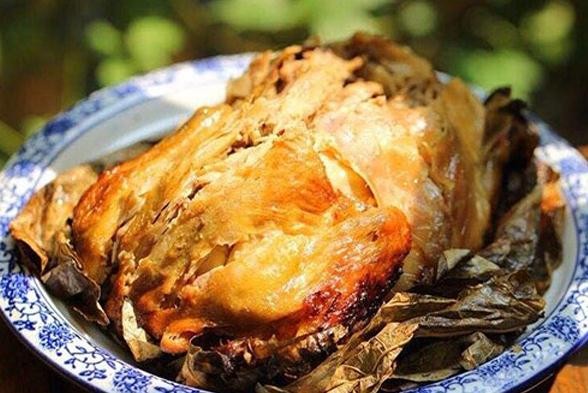
5. Beggar’s Chicken
Beggar's Chicken is a dramatic culinary legend brought to life. A whole chicken is marinated, wrapped in fragrant lotus leaves, sealed in clay, and slow-baked for hours. Crack open the hardened shell at the table to reveal incredibly tender, aromatic meat infused with herbal and earthy notes. This rustic yet refined dish perfectly captures Suzhou's knack for transforming humble ingredients into exquisite experiences.
· Core Highlight:
Crispy hard clay hides incredibly tender, aromatic chicken, fully presenting Suzhou’s “rough exterior with delicate inside” culinary charm.
· Quick Essential Facts:
- Cultural Background: Legend from Southern Song Dynasty; refined by Suzhou chefs into a classic banquet dish.
- Ingredients: Free-range chicken (1–1.3kg), fresh Taihu lotus leaves, loess clay, Shaoxing wine & spices.
- Cooking: Marinate 2–4h - wrap & seal - bake 2.5–4h at low heat for locked-in juiciness.
- Best Season: Available year-round; summer uses fresh lotus leaves for stronger fragrance.
- Price: 128–198 RMB/dish (serves 2–4 people).
- Suitable For: Groups, food explorers, family meals; not for chicken allergy sufferers.
- Allergy Note: Contains chicken, gluten, star anise & cinnamon.
· Pro Tips for Visitors:
- Eat: Crack clay at table, sip the juicy essence, dip meat or pour over rice.
- Pair: Biluochun tea, osmanthus rice wine, or cucumber salad to balance richness.
- Order: Must reserve in advance (2–3h baking time).
- Takeaway: Use insulated pack; reheat at 180°C for 10 mins; best eaten within 4h.
- Misunderstanding: Authentic Suzhou style uses special clean loess, not random mud.
· Recommended Restaurants:
Gu Su Jia Yan (Pingjiang Road Store)
- Address: No. 8, Lane 2, Bifengfang, Gusu District
- Contact: +17701552107
- Opening Hours: 10:30-22:30
- Average Cost: 80-120 RMB per person
- Best For: Dates, family gatherings, visitors pursuing stylish classic dishes.
Hong Qigong's Yellow Mud Beggar's Chicken
- Address: No. 434, Moye Road, Gusu District
- Contact: +13082528137
- Opening Hours: 10:00-22:00
- Average Cost: 28-105 RMB per person
- Best For: Tourists seeking authentic beggar's chicken and searching for hidden gem shops
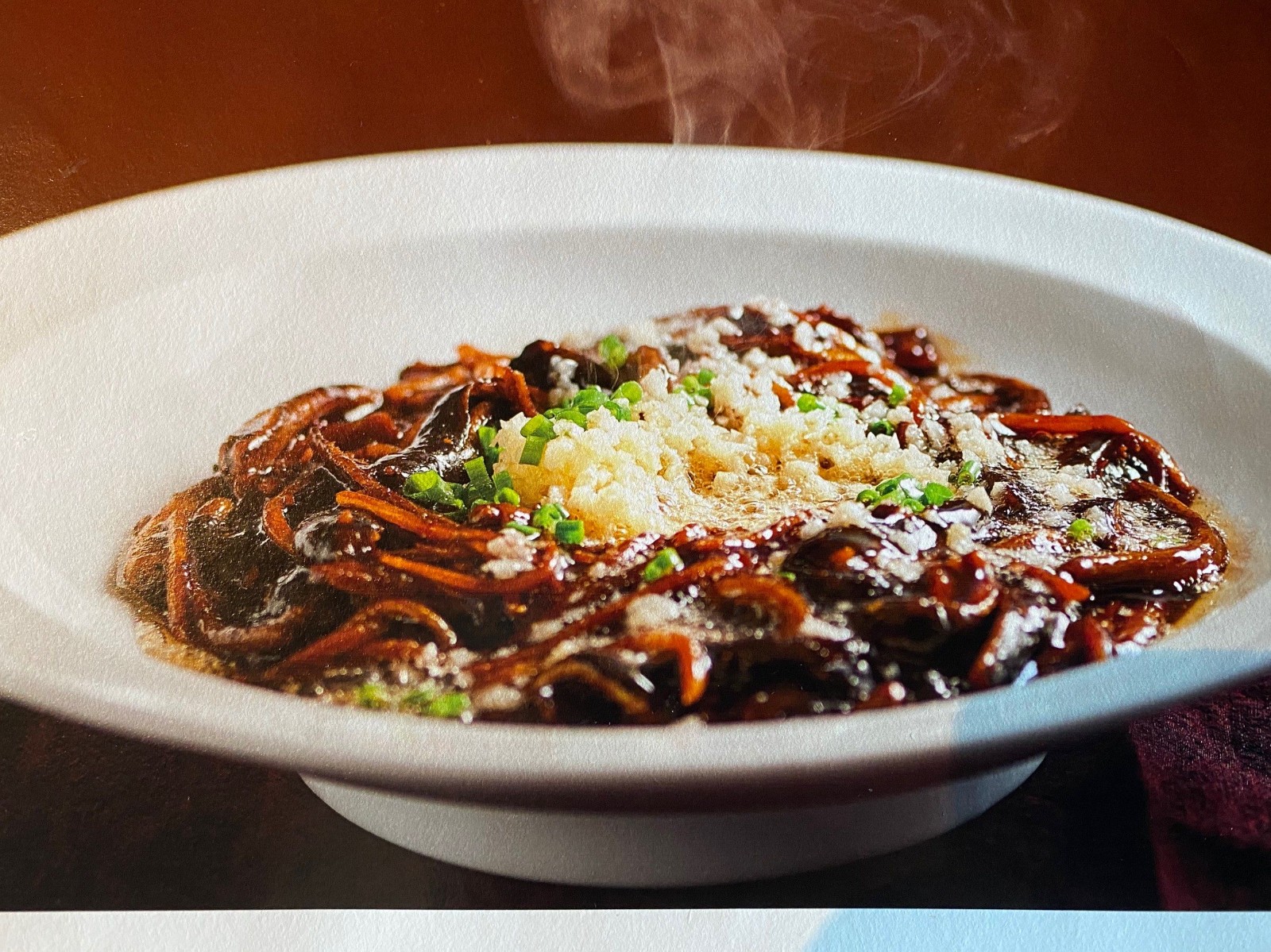
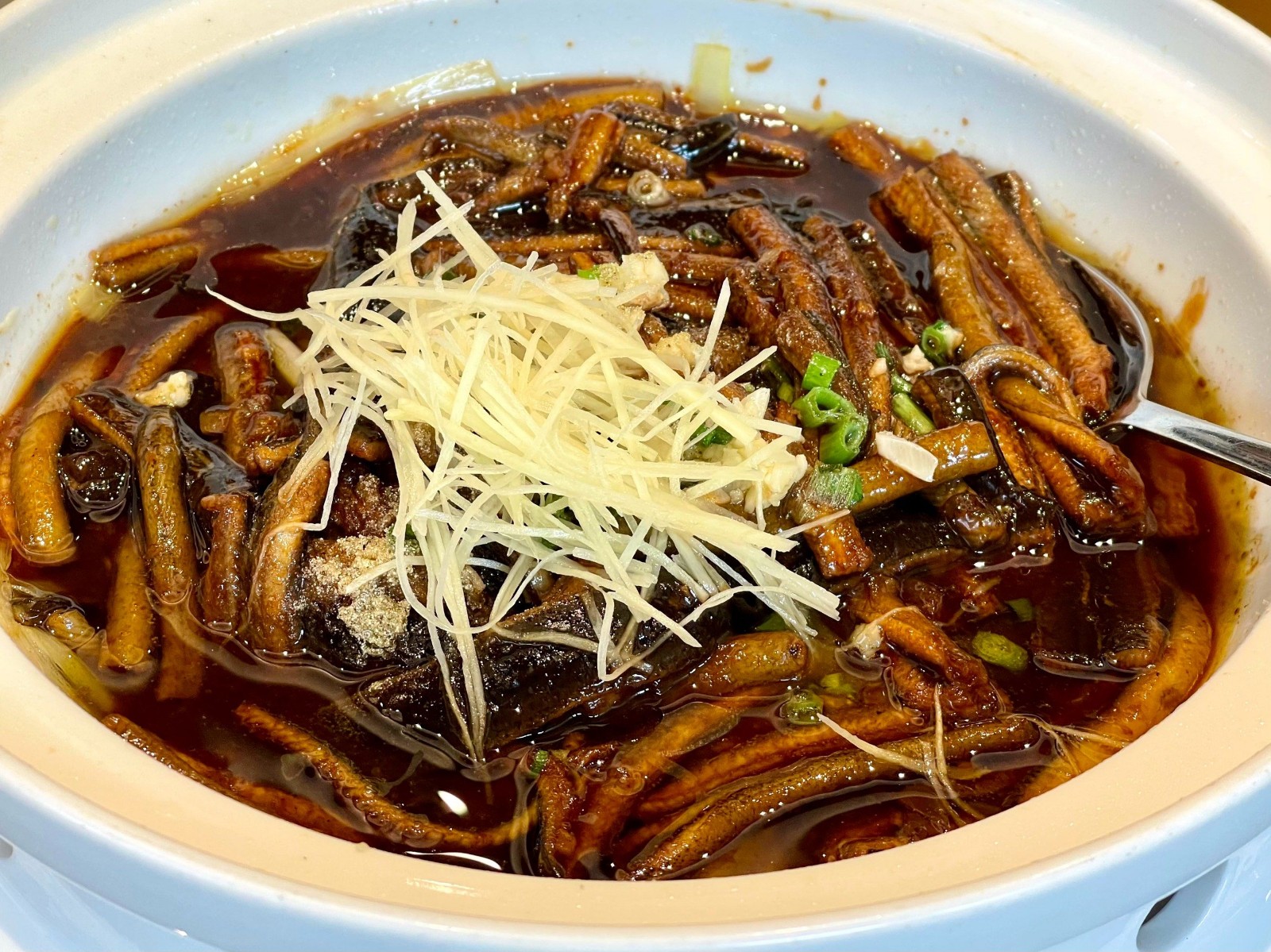
6. Eel in Hot Oil
Eel in Hot Oil is a symphony for the senses. Velvety eel strips in a savory-sweet sauce are crowned with aromatics, then baptized with sizzling hot oil—a dramatic finale that releases an irresistible fragrance. This iconic Suzhou dish delivers tender texture, rich flavor, and unforgettable theater in every bite.
· Core Highlight:
A sensory “auditory feast” with tender, velvety eel, balanced sweet-fresh sauce, and an iconic sizzling aroma that defines classic Suzhou river cuisine.
· Quick Essential Facts:
- Cultural Background: A classic Taihu lake canal dish popular since the Ming and Qing dynasties, representing the culinary essence of Wu culture.
- Ingredients: Fresh live Taihu eel, minced garlic, ginger, soy sauce, Shaoxing wine, and rock sugar.
- Best Season: May to September, when eels are plump, tender, and at their most nutritious.
- Price Range: 88–138 RMB per dish (serves 2–3 people).
- Suitable For: River food lovers, flavor seekers; not ideal for those on an extremely light diet.
- Allergy Alert: Contains eel, soy sauce (gluten), and alcohol; not for seafood allergies or vegans.
· Pro Tips for Visitors:
- Eating method: Stir well immediately after the oil sizzles; enjoy with rice for the best flavor.
- Pairing suggestions: Match with Biluochun tea, warm Huadiao wine, or light greens to cut richness.
- Ordering tips: Ask for less oil or more garlic; must be cooked to order and eaten right away.
- Misunderstanding: Eel is blanched and stir-fried, not deep-fried; texture is soft, not crispy.
- Takeaway advice: Strongly not recommended, as texture and aroma fade quickly after serving.
· Recommended Restaurants:
Songhelou (Guanqian Street Store)
- Address: No.72 Taijianong, Guanqian Street, Gusu District, Suzhou, Jiangsu Province
- Contact: +86 0512-67700688
- Opening Hours: 11:00–14:00, 17:00–20:30
- Average Cost: 150–200 RMB per person
- Best For: First-time visitors, anyone seeking the most classic, standard flavor.
Wu Men Renjia
- Address: No. 246 Guanqian Street, Pingjiang Subdistrict, Gusu District
- Contact: +18251124317
- Opening Hours: 09:30–21:30
- Average Cost: 80–120 RMB per person
- Best For: Home-style flavor lovers, casual group meals, rice-pairing diners.
7. Yanduxian
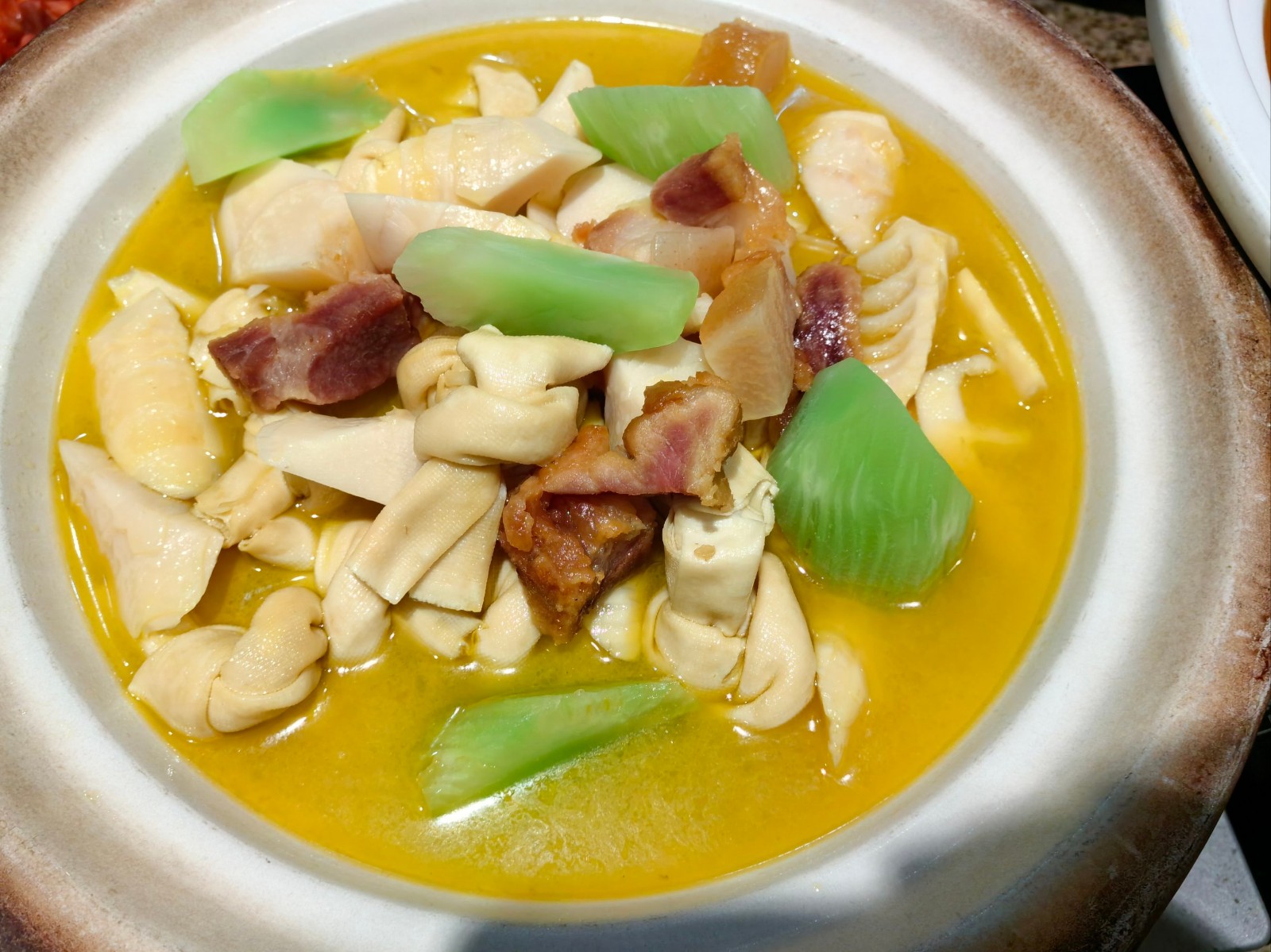
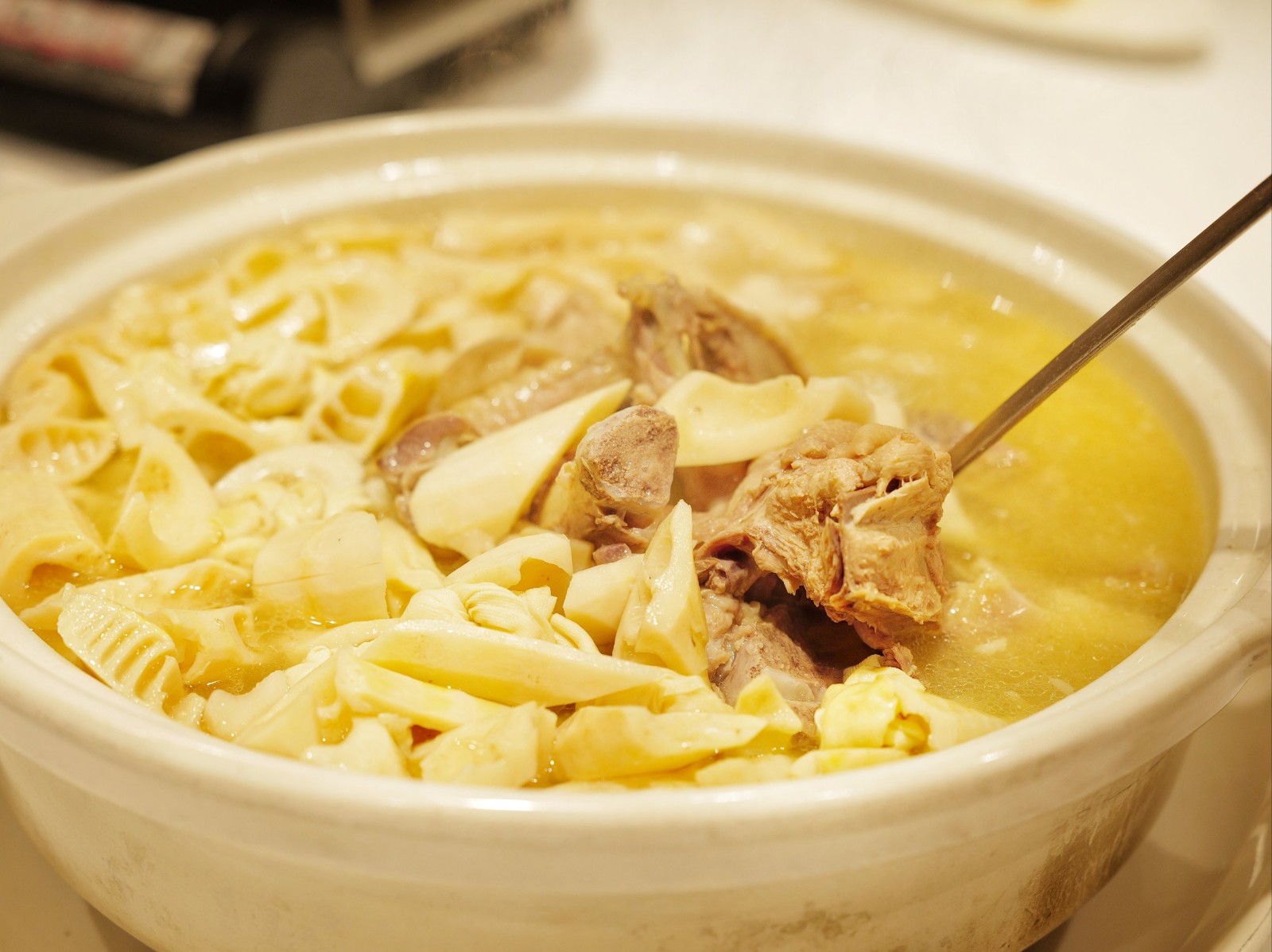
Yanduxian is the soul of a Suzhou spring. This iconic soup unites salted pork for depth, fresh ribs for richness, and tender bamboo shoots for sweetness, all simmered into a crystal-clear, profoundly umami broth. It’s a seasonal ritual in a bowl, celebrating the pure, natural flavors of Jiangnan.
· Core Highlight:
A clear, rich yet non-greasy soup with layered umami from pork and fresh sweetness from bamboo shoots, representing Jiangnan’s philosophy of respecting seasonal ingredients.
· Quick Essential Facts:
- Cultural Background: A classic seasonal spring dish, meaning “simmered salted freshness”, marking the transition from winter storage to spring harvest.
- Ingredients: Fresh spring bamboo shoots from Dongting Dongshan, Nanxun-style salted pork, fresh pork ribs, and soft water for clear broth.
- Best Season: Mid-March to late April (only 4–6 weeks, strictly seasonal).
- Price Range: 78–128 RMB per portion (serves 2–3); premium versions over 168 RMB.
- Suitable For: Light eaters, families, elders, children, and soup lovers; easy to digest.
- Allergy Alert: Contains pork; high in sodium, so low-sodium diners should take care.
· Pro Tips for Visitors:
- Eating method: First sip the broth, then enjoy the ingredients; pour broth over rice for the best local experience.
- Pairing suggestions: Match with rice, steamed buns, or stir-fried greens; light green tea to cleanse the palate.
- Ordering tips: Only available in spring; ask for more broth or less salted pork; may involve waiting.
- Misunderstanding: It is a clear soup, not a thick stew; saltiness is subtle, not overwhelming.
- Takeaway advice: Separate soup and ingredients; consume within 24 hours for best texture.
· Recommended Restaurants:
Su Cheng Jia Yan (Li Gongdi Store)
- Address: 43–45 Ligongdi Road, Wuzhong District, Suzhou
- Contact: +86 0512-62875088
- Opening Hours: 11:00–14:00, 16:30–21:00
- Average Cost: 180–260 RMB per person
- Best For: Business dinners, elegant gatherings, diners pursuing refined seasonal taste.
Xin Su Ren Jia
- Address: 8hao, Guanqian Taijian Lane, Gusu District
- Contact: +86 0512-67707779
- Opening Hours: 10:00–21:30
- Average Cost: 90–130 RMB per person
- Best For: Young families, friends’ gatherings, modern light-flavor diners.
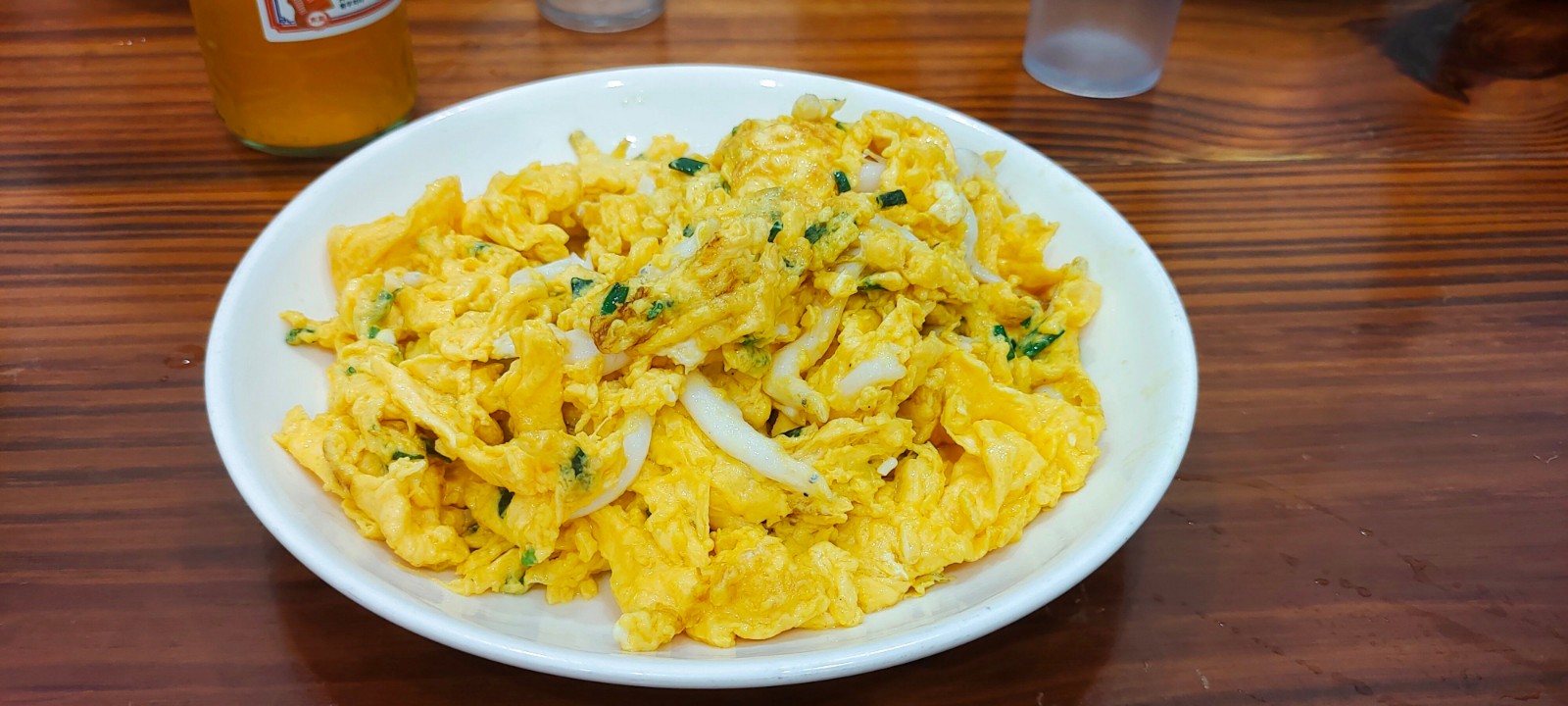
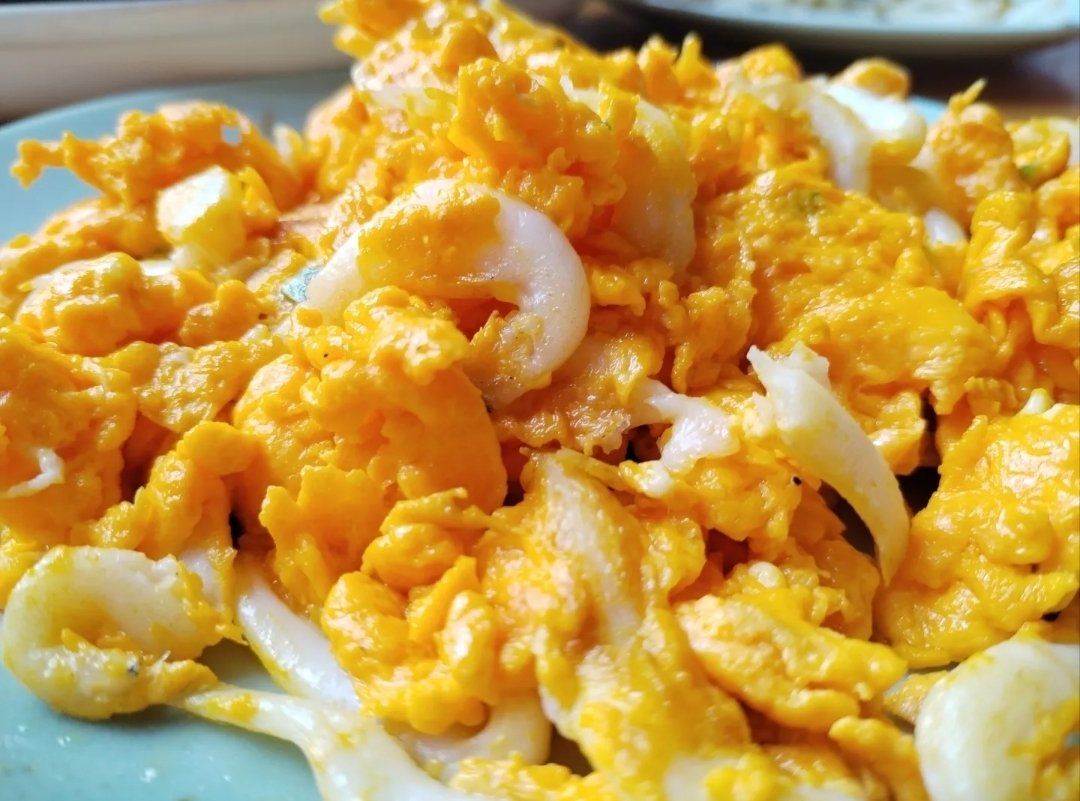
8. Silver Fish Omelette
Silver Fish Omelette is a taste of Taihu Lake's gentle bounty. This classic Suzhou stir-fry marries the delicate, sweet flesh of boneless baby silver fish with softly scrambled farm eggs. Light, nutritious, and effortlessly elegant, it transforms two humble ingredients into a comforting dish that celebrates the pure, fresh flavors of home cooking and the lake's seasonal gifts.
· Core Highlight:
A simple yet exquisite dish showing Taihu’s delicacy – fluffy golden eggs paired with tender, sweet silver fish, light and non-greasy, full of homely freshness.
· Quick Essential Facts:
- Cultural Background: A centuries-old Suzhou home classic, reflecting Jiangnan’s “luxury in simplicity” using precious seasonal Taihu ingredients.
- Ingredients: Fresh 2–4cm Taihu silver fish, free-range eggs, a little lard & oil for fragrance.
- Best Season: May to July, peak season for plump, sweet fresh silver fish.
- Price Range: 38–68 RMB per dish (serves 2–3); premium versions over 80 RMB.
- Suitable For: All ages, especially kids, elders, light eaters; soft, boneless, easy to digest.
- Allergy Alert: Contains fish and eggs; not for those with relevant allergies.
· Pro Tips for Visitors:
- Eating method: Eat hot immediately; enjoy the natural sweetness first, add light soy sauce if needed.
- Pairing suggestions: Best with rice or congee; match with Biluochun green tea.
- Ordering tips: Ask for fresh Taihu silver fish instead of frozen; request less oil or more fish.
- Misunderstanding: Silver fish is the star, not overpowered by eggs or heavy seasoning.
- Takeaway advice: Not recommended; eat within 1 hour if packed; avoid microwave reheating.
· Recommended Restaurants:
Wu Men Renjia (Shantang Street Store)
- Address: No. 246 Guanqian Street, Pingjiang Subdistrict, Gusu District
- Contact: +18251124317
- Opening Hours: 09:30–21:30
- Average Cost: 80–120 RMB per person
- Best For: Family meals, home-style flavor lovers, rice-pairing diners.
Su Cheng Jia Yan (Li Gongdi Store)
- Address: 43–45 Ligongdi Road, Wuzhong District, Suzhou
- Contact: +86 0512-62875088
- Opening Hours: 11:00–14:00, 16:30–21:00
- Average Cost: 180–260 RMB per person
- Best For: Business dinners, elegant gatherings, diners pursuing refined seasonal taste.
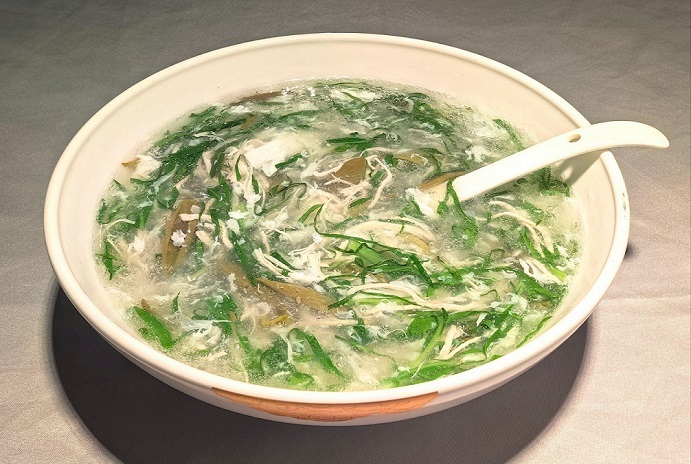
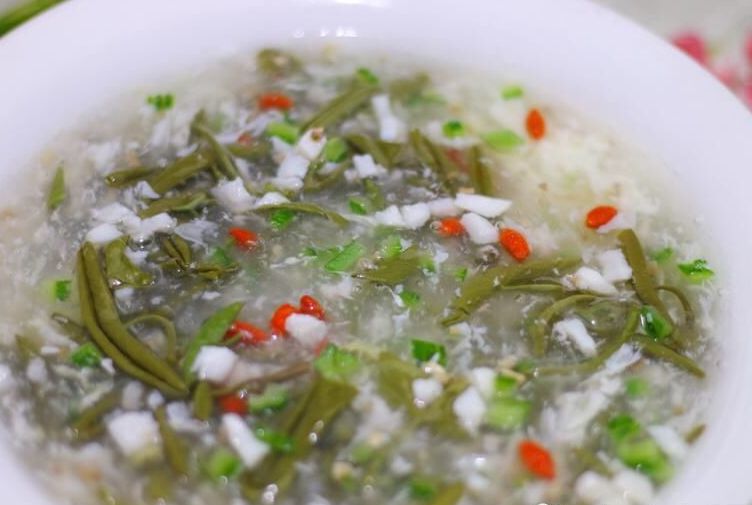
9. Water Shield Soup
Water Shield Soup is the epitome of Jiangnan's delicate elegance. This ancient, jewel-like soup features tender Taihu Lake water shield leaves, prized for their uniquely smooth, melting texture, floating in a crystal-clear, umami-rich broth. Celebrated in poetry for centuries, each soothing spoonful offers a taste of literary history and the pure, refined essence of Suzhou's culinary spirit.
· Core Highlight:
Known as “liquid jade”, it has a uniquely smooth, gelatinous texture and a bright, clean taste, representing the ultimate refinement of Suzhou clear soup.
· Quick Essential Facts:
- Cultural Background: A 2,000-year-old historic dish praised in ancient poetry, once a royal tribute, symbolizing nostalgia and literati elegance.
- Ingredients: Fresh young Taihu water shield, double-simmered clear chicken-ham broth, a little ham or bamboo shoot for accent.
- Best Season: May to July, the only short season for tender, high-quality water shield.
- Price Range: 68–128 RMB per bowl (serves 1–2); premium versions 150–200 RMB.
- Suitable For: Health-focused diners, elders, light eaters, poetry and culture lovers.
- Allergy Alert: Generally safe; caution only for those allergic to aquatic plants.
· Pro Tips for Visitors:
- Eating method: Sip the broth first, then let the water shield glide smoothly without heavy chewing.
- Pairing suggestions: Match with Su-style pastries or cold Huadiao wine; use as a palate cleanser in banquets.
- Ordering tips: Only available May–July; ask for fresh water shield and preferred add-ons.
- Misunderstanding: It is a clear soup, not thickened; slipperiness comes from natural plant mucilage.
- Takeaway advice: Strongly not recommended, as texture and clarity degrade quickly.
· Recommended Restaurants:
Songhelou (Guanqian Street Store)
- Address: No.72 Taijianong, Guanqian Street, Gusu District, Suzhou, Jiangsu Province
- Contact: +86 0512-67700688
- Opening Hours: 11:00–14:00, 17:00–20:30
- Average Cost: 150–200 RMB per person
- Best For: Gourmets pursuing authentic heritage flavor and classic clear soup craft.
Su Cheng Jia Yan (Li Gongdi Store)
- Address: 43–45 Ligongdi Road, Wuzhong District, Suzhou
- Contact: +86 0512-62875088
- Opening Hours: 11:00–14:00, 16:30–21:00
- Average Cost: 180–260 RMB per person
- Best For: Modern diners, business guests, those who like elegant, innovative seasonal dishes.
10. Suzhou-style Braised Duck
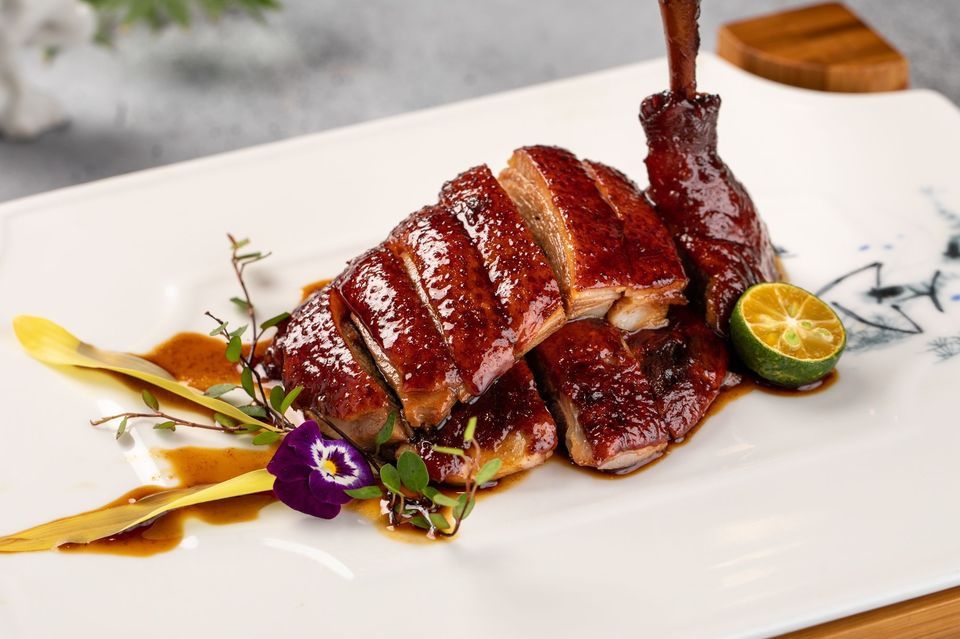
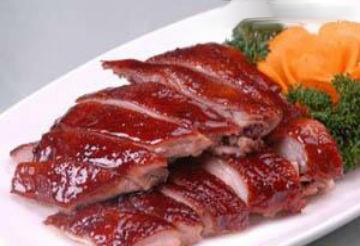
Suzhou-style Braised Duck is a glossy, jewel-toned centerpiece of the cold platter. Marinated and slow-braised in a masterful blend of soy sauce, rock sugar, and aromatic spices, it achieves a perfect harmony of savory depth and subtle sweetness. Served cool, its tender meat and richly lacquered skin offer a sophisticated, mellow flavor that embodies the refined and celebratory spirit of Suzhou's culinary tradition.
· Core Highlight:
Glossy lacquered skin, fall-off-the-bone tender meat, and a layered sweet-leading-savory taste that represents Suzhou’s signature cold delicacy style.
· Quick Essential Facts:
- Cultural Background: A traditional festive cold dish symbolizing good fortune; a staple at family gatherings, Spring Festival, and banquets.
- Ingredients: Jiangnan free-range duck, aged soy sauce, rock sugar, Shaoxing wine, cinnamon, star anise, and aged tangerine peel.
- Best Season: Available year-round; best in late autumn and winter for richer flavor.
- Price Range: 48–78 RMB for half duck (2–3 people); whole duck 90–150 RMB.
- Suitable For: All ages, family meals, banquets, wine snacks, and souvenir buyers.
- Allergy Alert: Contains duck, soy sauce (gluten), and cooking wine; avoid if allergic.
· Pro Tips for Visitors:
- Eating method: Serve cooled or at room temperature; slice thinly and enjoy with rice.
- Pairing suggestions: Match with Suzhou pickles, roasted oolong, or jasmine tea.
- Ordering tips: Buy by weight at specialty shops; ask for vacuum-packed for gifts.
- Misunderstanding: It is braised, not roasted; skin is tender-glossy, not crispy; red color is from sauce, not spicy.
- Takeaway advice: Great for takeaway; refrigerate up to 3–5 days, eat cold without reheating.
· Recommended Restaurants:
Lu Zhi Zhai (Guanqian Street Store)
- Address: No.8 Guanqian Street, Gusu District, Suzhou
- Contact: +13706212363
- Opening Hours: 08:30–18:00
- Average Cost: 80–120 RMB per person
- Best For: Business dinners, elegant banquets, diners who prefer refined, light-sweet presentation.
Su Cheng Jia Yan (Li Gongdi Store)
- Address: 43–45 Ligongdi Road, Wuzhong District, Suzhou
- Contact: +86 0512-62875088
- Opening Hours: 11:00–14:00, 16:30–21:00
- Average Cost: 180–260 RMB per person
- Best For: Modern diners, business guests, those who like elegant, innovative seasonal dishes.
Seasonal Featured Dishes: A Journey Through Suzhou’s Culinary Year
Suzhou's cuisine is a living calendar, meticulously synchronized with nature's rhythms. The ancient culinary philosophy of “eating in season” is more than a rule—it is a deep-rooted cultural reverence for the fleeting, optimal moment when ingredients reach their peak of flavor and nutrition. This section guides you through the distinct seasonal chapters of Suzhou’s gastronomy, where each dish tells a story of the climate, the land, and centuries of refined culinary wisdom. Embrace this journey to experience the true, authentic soul of Suzhou dining.
 Discover Suzhou: 2-Day Local & Private Tour Experience
 Immersive Suzhou Day Tour: Exploring Tongli Water Town Tour From Suzhou
1. Spring: The Awakening of Freshness
· Seasonal Characteristics:
March to May brings mild weather (10°C–22°C) with moist spring rains, nurturing tender shoots and wild greens. Dishes are light, fresh, and cleansing to shake off winter heaviness.
· Core Philosophy:
Follow “nourish yang with light flavors” — focus on fresh, diuretic, revitalizing spring ingredients to detox and refresh the body.
· Key Ingredients:
1. Dongting Spring Bamboo Shoots
Harvested from late March to early May, these are considered superior to other varieties due to the unique red soil of Dongting hills. The "tip-mid-root" is used differently: tips for stir-frying, mids for braising, roots for soups.
2. Lake Region Wild Greens
- Shepherd's Purse: Contains natural glutamates that create umami without MSG
- Malantou: Rich in potassium and vitamin C, traditionally for "clearing heat"
- Chrysanthemum Greens: Unique to Jiangnan, with a distinctive herbal aroma
3. Early-Season Silver Fish
The first catch in March-April, thinner and more translucent than summer varieties.
· Signature Dishes & Cultural Context:
1. Braised Spring Bamboo Shoots with Soy Sauce
- Best consumption period: March 20 - April 15 (around the Qingming Festival).
- Cooking secret: Uses the "three-stage braising method" - three rounds of braising with the lid on and off to achieve perfect caramelization without burning the sugar.
- Regional characteristics: Dongting East Hill bamboo shoots are preferred for their "sweet after bitterness" quality.
- Cultural anecdote: Mentioned in the Qing Dynasty cookbook "Tiaoding Ji" as "the first taste of spring."
2. Shepherd's Purse and Pork Wontons
- Filling ratio: Traditional ratio is 7:3 wild greens to pork.
- Soup base: Served in "Sanbai Soup" - white chicken broth, white pepper, and white sesame oil.
- Seasonal availability: Only available when wild shepherd's purse is in season (late March to mid-April).
- Health benefits: Believed to "balance liver energy" in traditional medicine.
3. Fragrant Dried Tofu with Malantou
- Knife skills requirement: Malantou must be hand-chopped (not machine-cut) to preserve its texture.
- Key to seasoning: A few drops of "stone-ground sesame oil" make all the difference.
- Traditional plating: Always pressed into a mound resembling a "spring hill".
4. Stir-Fried Shrimps with Dragon Well Tea
- Seasonal connection: Uses "pre-rain Longjing tea" from early April and spring river shrimp.
- Culinary innovation: Tea leaves are fried until crispy and served with shrimp.
- Best place to experience it: Restaurants near Dongting tea plantations.
5. Yan Du Xian
- Spring version: Uses winter-preserved pork and the year's first bamboo shoots.
- Name meaning: "Yan" = preserved, "Du" = simmer, "Xian" = freshness - the three elements of spring.
- Eating custom: Traditionally eaten during the Qingming Festival to welcome the spirits of ancestors.
· Spring Dining Experience:
- Best time to experience this: Late March to mid-April.
- Recommended dining locations: Farmhouse restaurants around Dongting East and West Hills.
- Recommended tea pairing: Bi Luo Chun tea - harvested in March, perfectly complements spring dishes.
- Seasonal delicacy: Qingtuan - mugwort-flavored rice balls filled with sweet bean paste.
2. Summer: Art of Cool Elegance
· Seasonal Characteristics:
June to August brings the "plum rain season" followed by intense heat (28°C-35°C). Humidity reaches 80-90%, creating demand for cooling, hydrating foods that combat "summer heat dampness".
· Core Philosophy:
Summer cuisine follows "using cool to combat heat". Emphasis on ingredients with high water content and natural cooling properties according to Traditional Chinese Medicine (TCM).
· Key Ingredients:
1. Taihu "Three Whites" at their peak
- Whitebait: Summer catch is plumper, 3-4cm long.
- White Shrimp: Transparent with faint blue veins.
- White Fish: Meatiest from June-August.
2. Water Shield: Harvested June-August, contains natural mucilage that soothes digestion.
3. Lotus Root and Seeds: From Taihu's lotus farms.
4. Winter Melon: Can grow to 20kg in Suzhou's climate.
· Signature Dishes & Cultural Context:
1. Taihu Silver Fish Steamed Egg
- Ingredient Standards: The silver fish must have "bright eyes and firm bodies."
- Steaming Technique: Double-layer steaming to prevent condensation drips.
- Seasonal Variations: The summer version includes a few Gorgon fruit (Euryale ferox) for added texture.
- Historical Origin: A scholar's dish from the Ming Dynasty, requiring quiet contemplation while eating.
2. Water Shield and Fish Maw Soup
- Preparation Key: Water shield is added only in the last 30 seconds.
- Broth Preparation Technique: The "broth skimming" technique clarifies the broth to crystal clarity.
- Health Benefits: Believed to nourish yin and moisten the lungs.
- Cultural Significance: Featured in "Dream of the Red Chamber" as a delicacy for hot days.
3. "Three Whites" Platter
- Presentation: Whitebait omelette, drunken white shrimp, steamed white fish.
- Eating Order: Lightest to richest - shrimp - whitebait - fish.
- Accompaniment: Specially blended "Sanbai Soy Sauce" with ginger and chrysanthemum.
- Best Location: Lakeside restaurants in Wuzhong District
4. Lotus Leaf Glutinous Rice Chicken
- Seasonal Element: Uses fresh Taihu lotus leaves (not dried).
- Cooking Method: Wrapped and steamed, absorbing the lotus fragrance.
- Historical Note: Originally a Song Dynasty summer picnic food
5. Iced Osmanthus and Lotus Seed Sweet Soup
- Key Ingredient: "Nantang Jitoumi" - a specific variety from Suzhou's southern ponds.
- Syrup Preparation: Osmanthus flowers harvested at dawn, infused with rock sugar syrup.
- Serving Temperature: Precisely 4°C - cold enough to refresh but not numb the palate
· Summer Dining Experience:
- Best Experience: Evening meals by Taihu Lake to enjoy the cool breezes.
- Cooling Drinks: Mint plum drink or mung bean soup.
- Restaurants for escaping the heat: Look for establishments with "waterside pavilions".
- Special Event: July lotus festival at the Humble Administrator's Garden.
3. Autumn: Harvest of Abundance
· Seasonal Characteristics:
September to November brings "golden autumn" with crisp air (15°C-25°C) and harvest abundance. This is Suzhou's most celebrated culinary season, centered around the iconic hairy crab.
· Core Philosophy:
Autumn follows "harvest and store" principles. Rich, nourishing foods prepare the body for winter, with special focus on ingredients that "moisten dryness" as the air becomes cooler and drier.
· Key Ingredients:
1. Yangcheng Lake Hairy Crab
- Timeline: Female crabs peak Sept-Oct ("September females"), males Oct-Nov ("October males").
- Certification Mark: Official green QR code tag issued by Suzhou Crab Association.
2. Osmanthus: Mid-Sep to early Oct bloom period.
3. Chestnuts from Qionglong Mountain
4. Persimmons and Pomegranates from Suzhou gardens
· Signature Dishes & Cultural Context
1. Whole Hairy Crab Feast
- Complete process: Starts with crab claw appetizers, progresses to the main crab course, and ends with crab roe noodles.
- Utensil etiquette: Proper use of the "eight crab tools."
- Sauce recipe: Zhenjiang vinegar + minced ginger + a touch of sugar.
- Traditional wine pairing: Warm "Nu'er Hong" (Shaoxing wine).
2. Osmanthus-scented "Squirrel" Mandarin Fish
- Autumn Special: Sauce infused with osmanthus syrup.
- Knife Skills Demonstration: 108 cuts to create the "squirrel tail" effect.
- Best Time to Enjoy: Late September when osmanthus blossoms are at their peak.
3. Crab Roe with Tofu
- Crab Roe Preparation: 1 kg of crab yields only 150g of usable roe/meat.
- Tofu Selection: "Salt-brine tofu" for a firmer texture.
- Price Reference: ¥198-¥398 depending on the quantity of crab roe.
4. Sweet Osmanthus and Chestnut Cake
- Layered preparation: Bottom layer of chestnut paste, middle layer of osmanthus jelly, top layer of candied chestnuts.
- Historical origin: Served in the Imperial Kitchen during the Mid-Autumn Festival of the Qing Dynasty.
5. Braised Pork with Chestnuts and Osmanthus
- Innovation: Adds osmanthus to the traditional recipe.
- Cooking technique: Chestnuts are added in the last 20 minutes to maintain their shape.
- Seasonal availability: Only available during the chestnut harvest season (October-November).
· Autumn Dining Experience (Autumn Food Guide):
- Best Time: October 15 - November 15 (Crabs are fattest, osmanthus flowers are most fragrant).
- Must-Visit Locations: Restaurants on Yangcheng Lake Peninsula.
- Festival Connection: Mid-Autumn Festival special menus.
- Photography Hotspot: Shantang Street at night with osmanthus-scented breezes.
4. Winter: Comfort of Warmth
· Seasonal Characteristics:
December to February brings cold (0°C-8°C) and dampness. The cuisine shifts to warming, fortifying dishes that build energy and protect against cold according to TCM principles.
· Core Philosophy:
Winter follows "nourish and store energy". Slow-cooked dishes, rich broths, and warming ingredients dominate, with emphasis on kidney and spleen nourishment.
· Key Ingredients:
1. Cangshu Mutton - Free-range goats fed on herbal hillsides
2. Preserved Meats - Wind-dried for 30+ days
3. Glutinous Rice - For hearty, energy-dense dishes
4. Black Fungus and Chinese Yam - TCM warming ingredients
· Signature Dishes & Cultural Context:
1. Cangshu Mutton Hot Pot
- Broth Secret: Goat bones simmered for 24 hours with "Cangshu Ten Herbs" (ten local herbs).
- Mutton Classification: Different cuts served at different times (lean - fatty - offal).
- Traditional Dipping Sauce: Sweet fermented bean curd sauce mixed with chili oil.
- Cultural Status: UNESCO Intangible Cultural Heritage candidate.
2. "Eight Immortals" Hot Pot
- Eight ingredients: Mutton, pork meatballs, tofu skin, mushrooms, greens, etc.
- Special charcoal: Uses special smokeless charcoal.
- Serving order: Layers arranged according to cooking time needed.
- Historical background: Traditional New Year's Eve family dish.
3. Sweet Eight-Treasure Rice
- Meaning of the eight treasures: Each ingredient represents a blessing (dates = health, lotus seeds = children, etc.).
- Steaming time: 4 hours for perfect texture.
- Lunar New Year essential: Eaten on Lunar New Year for good luck.
4. Preserved Pork with Bamboo Shoots
- Winter Specialty: Uses winter bamboo shoots (thicker and sweeter than spring bamboo shoots).
- Pork Selection: "Rugao Ham" is preferred.
- Slow Cooking Key: Cooked in a clay pot over charcoal for 3+ hours.
5. Ginger and Brown Sugar Rice Wine
- Warming Effect: Served piping hot after outdoor activities.
- Traditional Preparation: Fermented in earthenware jars.
- Serving Time: Best as a dessert after winter meals.
· Winter Dining Experience (Winter Culinary Guide):
- Best Experience: Cangshu Town Lamb Street.
- Heating Features: Restaurants with floor heating and heated private rooms.
- Holiday Connection: Winter Solstice special menus (December 21-23).
- Recommended Activity: Visit Tiger Hill during light snowfall.
Suzhou Street Food: The City's Edible Pulse
Beyond the elegant banquet halls, Suzhou's true culinary soul beats in its bustling street food scene. These humble yet masterful snacks—often sold from centuries-old shops or mobile carts—represent the "everyday poetry" of Suzhou life. They're affordable, portable, and deeply woven into the city's daily rhythms, offering an authentic taste of local culture between the grandeur of its gardens.
1. Shengjianbao
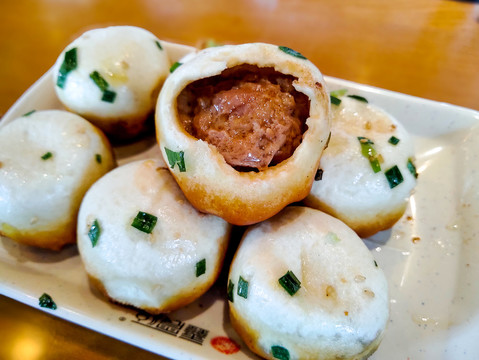
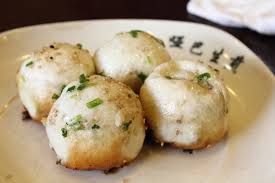
· Core Feature: “Golden bottom, juicy top” — crispy pan-fried base, thin soft skin, and rich hot broth inside.
· Historical Origin: Created in the 1920s as a popular worker’s breakfast. Famous “Yaba Shengjian” is named after its legendary mute founder.
· Preparation Secrets:
- Dough: Half-fermented for both fluffiness and strength.
- Filling: Pork with gelatin-rich pork skin jelly that melts into soup.
- Cooking: Fried in a giant cast-iron pan, then sprinkled with sesame and scallions.
· Best Way to Eat: Let cool 1 minute first. Bite a small opening, sip the soup, then enjoy the whole bun.
· Recommended Restaurant: Yaba Shengjian near Linqian Street - the most legendary queue-worthy spot.
· Price: 8-12 RMB/4 pieces.
· Cultural Anecdote: Locals judge quality by the “crispy-soft ratio” and how few buns break during cooking.
2. Suzhou-Style Wontons
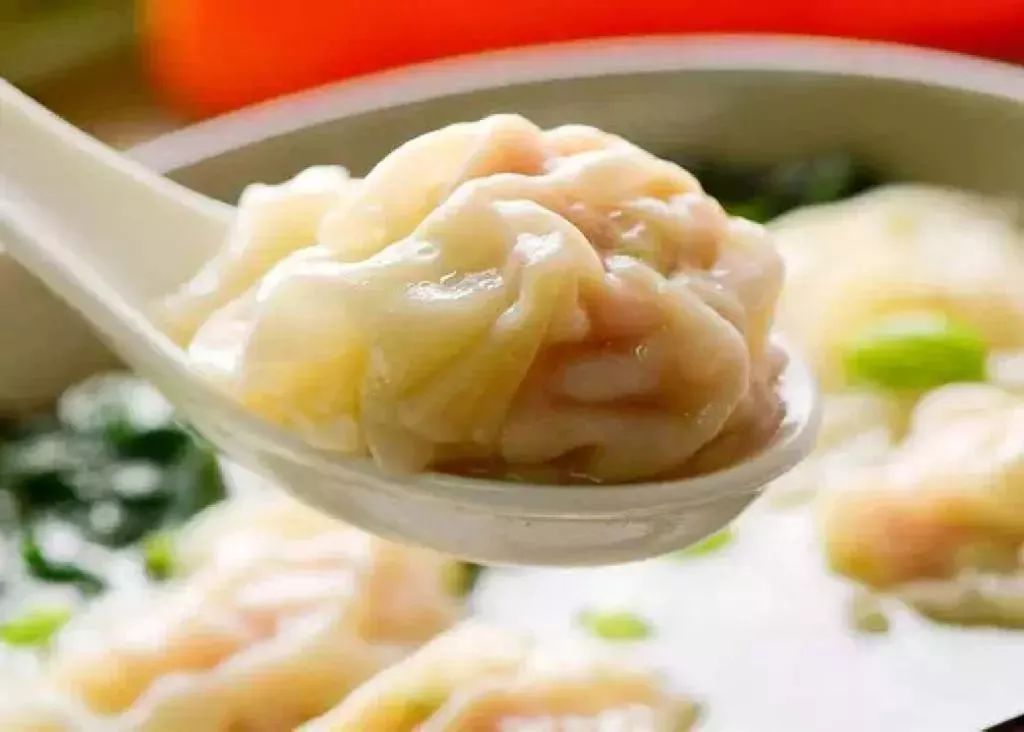
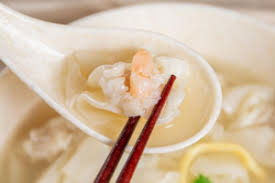
· Distinguishing Features: Smaller, delicate "lotus pouch" shape, thinner wrapper.
· Two classic varieties:
- Three Delicacies Wontons: Filled with pork, shrimp, and black fungus in a clear broth.
- Red Broth Wontons: In a distinct soy sauce-based broth with pork lard and garlic.
· Broth preparation: Chicken and pork bone broth simmered for over 6 hours.
· Essential toppings: Shredded egg crepe, seaweed, dried tofu shreds.
· History: Song Dynasty records mention "hundun" sold by street vendors near Tiger Hill.
· Recommendation: Lüyang Wonton (a chain but consistently good).
3. Fermented Glutinous Rice Balls
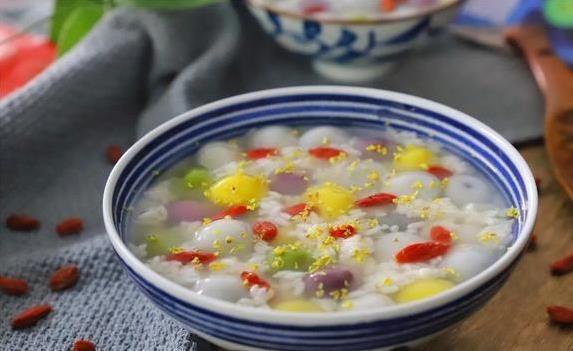
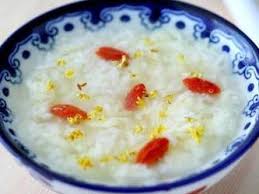
· Street version: Served hot in portable cups, with extra osmanthus syrup.
· Key ingredients: Fermented sweet rice (jiuniàng) made locally with Suzhou's soft water.
· Seasonal variations:
- Summer: Served iced with mint.
- Winter: Hot with ginger and brown sugar.
· Cultural significance: Traditionally eaten after giving birth for nourishment, now a popular snack.
· Best location: Mobile carts near Guanqian Street on winter evenings.
4. Crispy Pork Chop with Noodles
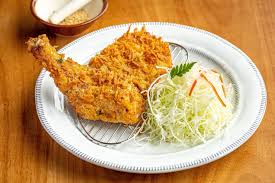
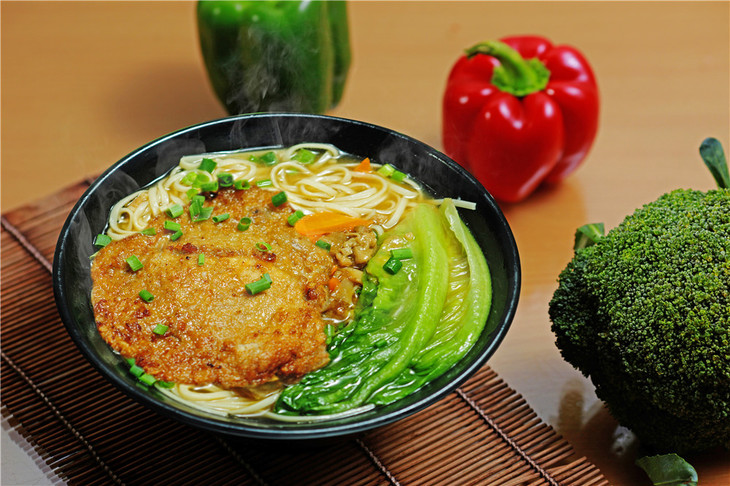
· Suzhou Specialty: Not just a pork chop—served with red-braised soup noodles.
· Preparation Method: Pork is pounded thin, marinated in soy sauce and spices, and double-fried.
· How to Eat: Dip the pork chop in Worcestershire sauce (a Shanghai influence), and eat it with the noodles.
· History: Introduced in the 1930s by chefs returning from Shanghai.
· Recommendation: Tongdexing Noodle House - their afternoon snack version.
Desserts & Pastries: Sweet Geometry
Suzhou pastries are edible mathematics—precise, layered, and beautifully structured. They follow "five balances": sweet-savory, soft-crisp, hot-cold, heavy-light, and appearance-taste.
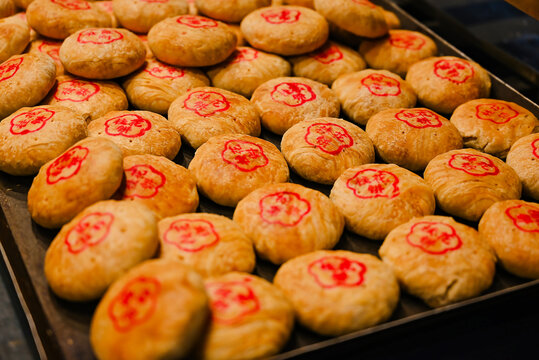
1. Mooncakes
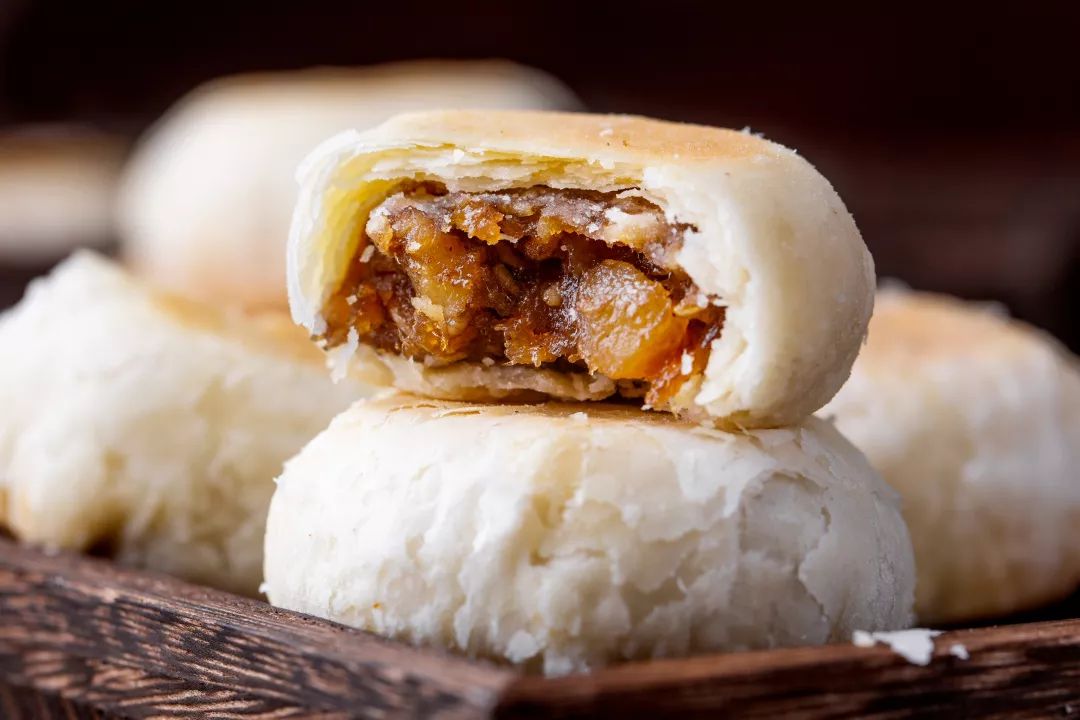
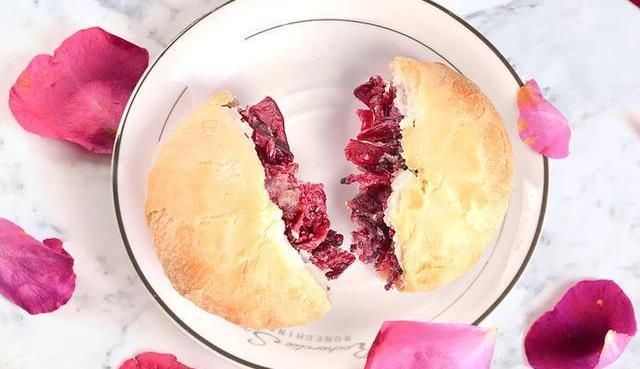
· Differences from Cantonese style: Flaky lard-based crust vs. soft, cake-like texture.
· Four classic fillings:
- Fresh Pork Mooncake: Fresh pork, served hot—Suzhou's iconic Mid-Autumn treat.
- Mixed Nut Mooncake: Mixed nuts and preserved fruits.
- Rose Mooncake: Rose petal paste from local gardens.
- Salt and Pepper Mooncake: Savory-sweet with Sichuan pepper.
· Preparation technique: "Flaky pastry" technique creating 12+ delicate layers.
· Best time: Only available August-September.
· Legendary shop: Changfa Bakery - lines wrap around the block during the season.
2. Osmanthus Cake
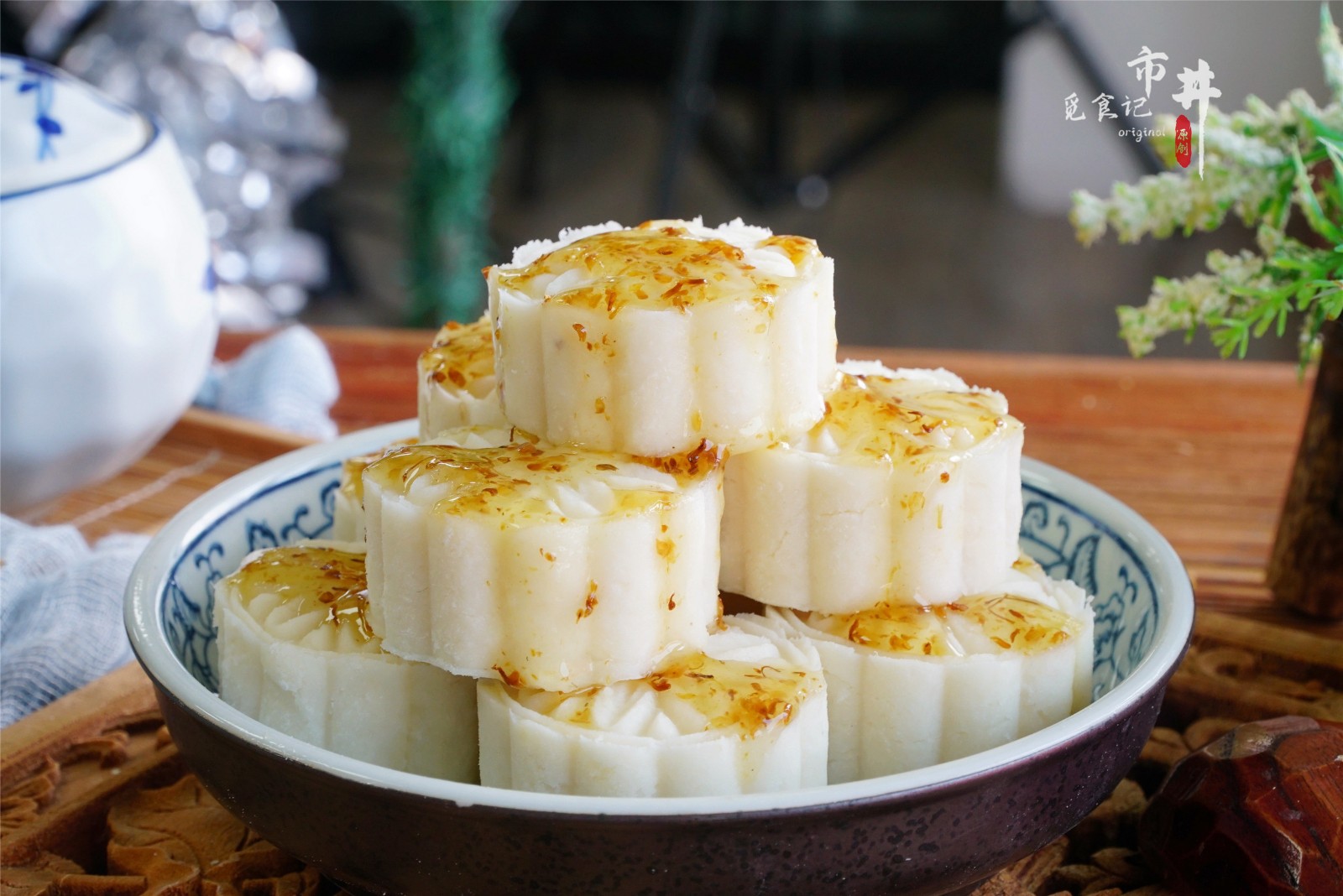
· Three types:
- Steamed Cake: Steamed, spongy, topped with osmanthus syrup.
- Chilled Cake: Chilled, jelly-like with whole flowers.
- Baked Cake: Baked with glutinous rice flour.
· Key Ingredient: Osmanthus from Guangfu Town, harvested at dawn.
· Cultural Significance: Eaten during the Mid-Autumn Festival due to the association between the moon and osmanthus flowers.
· Recommendation: Huang Tianyuan Pastry Shop - a time-honored brand since 1821.
3. Pine Nut and Date Paste Sticky
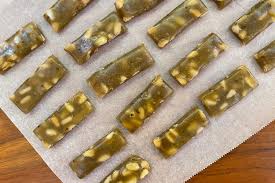
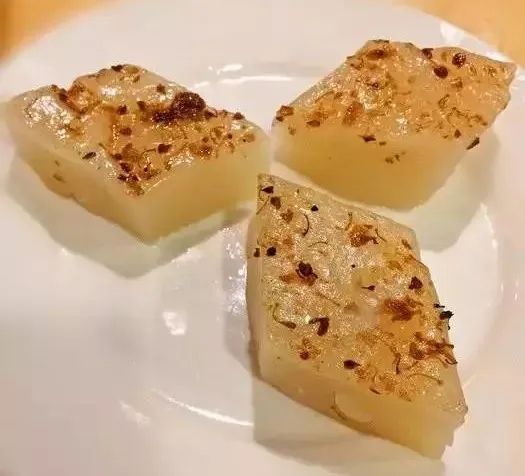
· Name Origin: "La" means sticky—so sticky it "pulls" when you bite.
· Ingredients:
- Dates from Cangzhou, Hebei
- Pine nuts from Changbai Mountain
- Rice flour aged for 3 months
· Preparation: Steamed for exactly 28 minutes.
· History: A Qing Dynasty imperial dessert that migrated south.
· Texture: Chewy, nutty, not overly sweet.
4. Sweet Fermented Rice with Gardenias
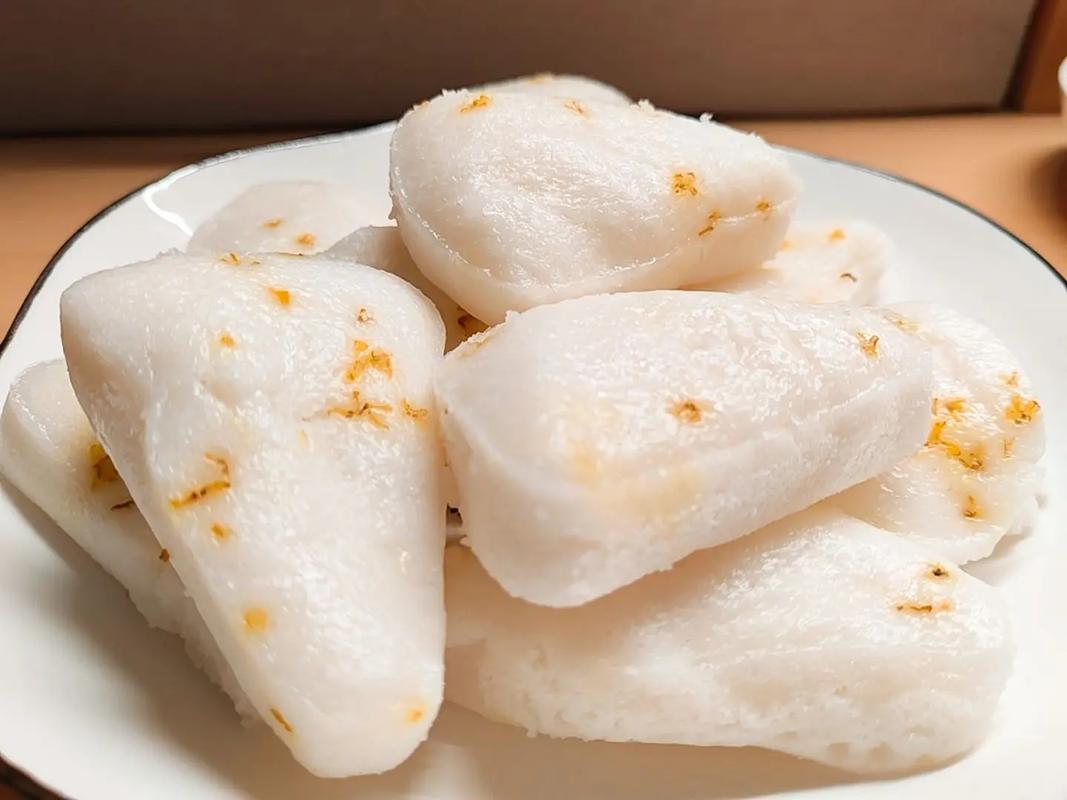
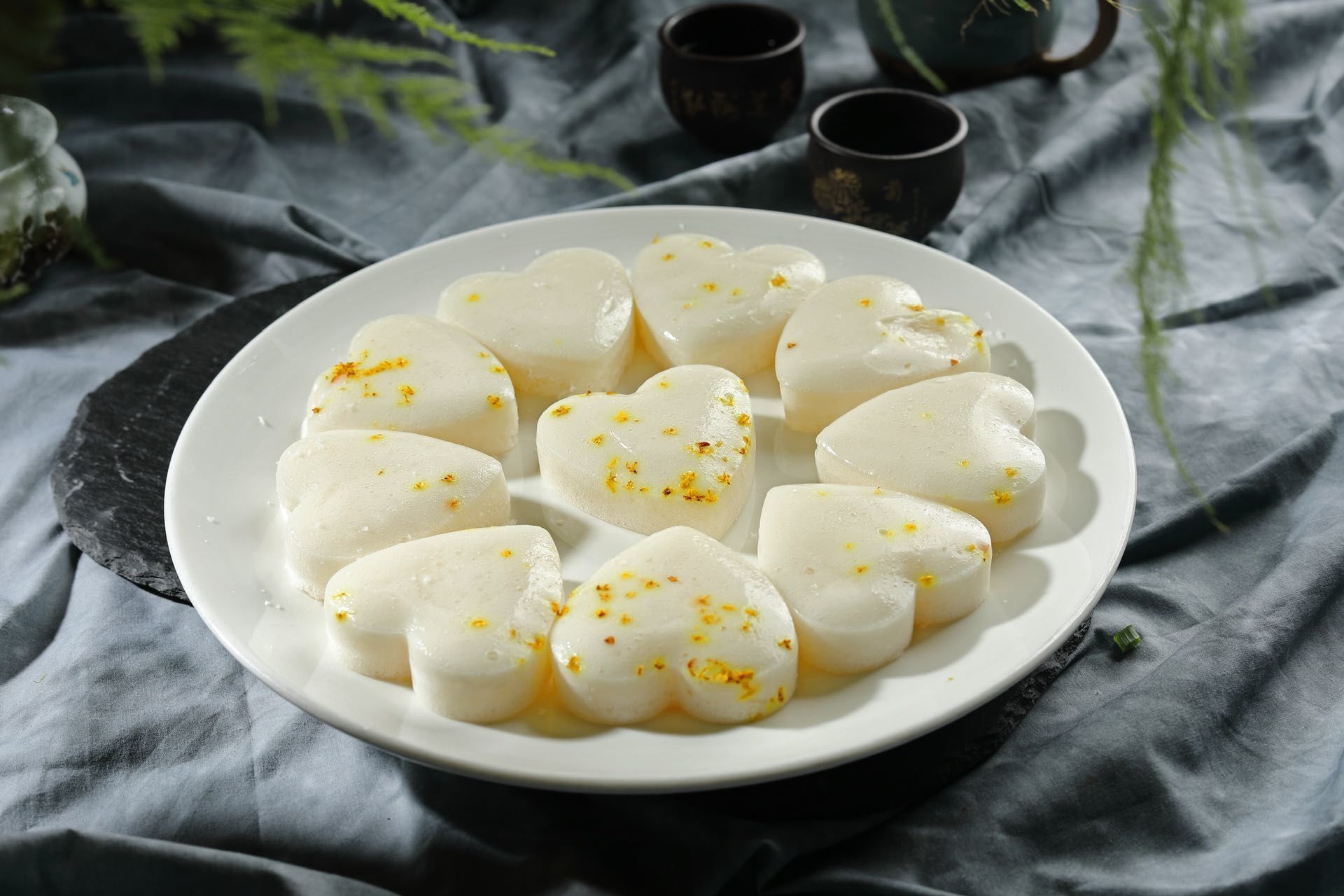
· Seasonal availability: June-July when gardenias bloom.
· Preparation: Flowers fermented with sweet rice for 30 days.
· Serving suggestion: Served over shaved ice or with rice balls.
· Cultural significance: Gardenias symbolize purity in Suzhou—used in weddings.
Tea Culture & Pairings: The Art of Harmony
Tea in Suzhou isn't just drinking—it's "four arts harmony": tea preparation, flower arrangement, incense burning, and painting viewing. The goal is achieving "qing yuan"—clarity and roundness in both flavor and experience.
1. Biluochun Green Tea
· Origin: Exclusive to Dongting Mountain (East) & Dongting Mountain (West).
· Name Origin: "Green snail spring"—curled like snails, harvested in spring.
· Grading System:
- Special Grade 1: Picked before Qingming Festival, one bud and one leaf.
- Special Grade 2: Pre-rain tea, slightly larger leaves.
- Grade 1: Post-rain tea, more mature flavor.
· Brewing Method:
- Glass cup recommended to watch the leaves "dance"
- 75°C water (never boiling)
- First steep: 1 minute for aroma
- Second steep: 30 seconds for flavor
· Recommended Pairings: Rose pastry or light mung bean cake
2. Suzhou-Style Tea Houses
· Three types:
- Garden Teahouses: In classical gardens (e.g., Ou Garden Teahouse).
- Riverside Teahouses: Along canals with boat views.
- Traditional Town Teahouses: Old town teahouses with storytelling.
· Typical Experience:
- 25-50 RMB for unlimited tea.
- Accompanied by Pingtan (storytelling)
- Served with complimentary snacks (usually 2-3 kinds)
· Famous Teahouse: Sanwanchang (founded 1855) — the "teahouse of scholars"
3. Seasonal Tea Rituals
· Spring: tasting new tea ceremony when Biluochun is harvested
· Summer: drinking cooled tea in gardens
· Autumn: moon-viewing with osmanthus tea
· Winter: boiling tea in heated pavilions
4. Modern Tea Innovations
· Tea Cocktails: Biluochun with gin at "Suzhou Tea Lab"
· Tea Ice Cream: Matcha and oolong flavors at Pingjiang Road shops
· Tea-Infused Cuisine: Tea-smoked duck, tea oil noodles
5. Tea Buying Guide
· Authenticity Check:
- Genuine Biluochun has white hairs on leaves
- Aroma should be "fruity floral" not just grassy
- Leaves should curl tightly, not straight
· Recommended Tea Shops:
- Chunlei Tea Shop (state-owned, reliable)
- Xishan Tea Farmers Direct Sales (direct from West Hill farmers)
· Price Reference:
- Premium Biluochun Tea: 800-2000 RMB/500g
- Everyday Drinking Grade: 200-400 RMB/500g
6. DIY Tea Experience
· Tea Picking Experience: March-April at Dongting farms
· Tea Roasting Workshop: Learn traditional hand-roasting (reservation required)
· Tea Ceremony Classes: Suzhou Tea Culture Research Association offers weekend classes
7. Tea Drinking Etiquette
· Finger Tapping Gesture: A light tap of the fingers to thank someone for pouring tea.
· Three Steps to Appreciating Tea: Observe the color, smell the aroma, then taste.
· Do Not Point the Teapot Spout at People: The teapot spout should not be directed towards anyone.
· Seven-Tenths Full: Cups should be filled to about 70%—this shows humility.
Where to Eat Like a Local
Suzhou Food Streets
1. Guanqian Street Food Guide
· Address: Guanqian Street, Beilin District, Suzhou (near Suzhou Museum and Humble Administrator’s Garden).
· Overall Characteristics: The most famous commercial and food street in Suzhou with a history of over 1,000 years, integrating commerce and tradition. It’s the first choice for first-time visitors, with a mix of time-honored brands and popular local snack shops.
· Recommended Core Restaurants and Snacks:
1. Zhu Hongxing Noodle Shop
- Address: No. 90, Bifengfang, Gusu District
- Opening Hours: 08:30-20:00
- Ambience: Traditional Suzhou-style decor with wooden tables and chairs, simple and elegant. The open kitchen allows diners to watch chefs make noodles on site.
- Signature Dishes: Scallion Oil Noodles, Braised Pork Noodles, Shrimp Wonton Noodles
- Price: 20-40 RMB per person
- Tips: Arrive before 10:00 to avoid queues; add a poached egg for extra flavor.
2. Cai Zhi Zhai
- Address: No. 91 Guanqian Street, Gusu District
- Opening Hours: 08:30-21:30
- Ambience: Century-old pastry shop with a retro interior, displaying traditional Suzhou pastries in glass cabinets.
- Signature Dishes: Osmanthus Cake, Preserved Fruits, Walnut Paste
- Price: 15-50 RMB per person
- Tips: Perfect for buying souvenirs; ask for free samples before purchasing.
3. Huang Tian Yuan
- Address: No. 86-88 Guanqian Street, Gusu District
- Opening Hours: 07:30-21:30
- Ambience: Time-honored glutinous rice cake shop with a bustling atmosphere, popular among locals and tourists.
- Signature Dishes: Green Rice Cake, Ding Sheng Cake, Glutinous Rice Rolls
- Price: 10-30 RMB per person
- Tips: Try the seasonal limited glutinous rice cakes during festivals.
2. Shantang Street Dining Experience
· Address: Shantang Street, Gusu District, Suzhou (from Changmen to Huqiu Mountain).
· Overall Characteristics: A typical Suzhou water town street, known as “half of Suzhou’s history and culture lies in Shantang”. It combines water town scenery, night view and snacks, with a quiet and strong water town atmosphere, suitable for in-depth experience and night tours.
· Recommended Core Restaurants and Snacks:
1. Rong Yang Lou
- Address: No. 329 Shantang Street, Gusu District
- Opening Hours: 06:00-17:30
- Ambience: Traditional snack shop with a simple interior, popular among locals for decades.
- Signature Dishes: Plum Cake, Fried Glutinous Rice Balls, Soy Milk and Fried Dough Sticks
- Price: 10-30 RMB per person
- Tips: The plum cake is best eaten hot; there may be a short queue during peak hours.
2. Lao Su Zhou Tea Restaurant
- Address: No. 658, Shiquan Street, Shuangta Subdistrict, Gusu District
- Opening Hours: 10:30-21:00
- Ambience: Elegant water town-style restaurant with river-view seats, decorated with traditional Suzhou elements.
- Signature Dishes: Sweet and Sour Mandarin Fish, Beggar’s Chicken, Braised Pork with Sweet Sauce
- Price: 80-150 RMB per person
- Tips: Book a river-view seat in advance for dinner to enjoy the night view.
3. Hidden Local Markets & Old Streets
1. Nanmen Market
· Address: Nanmen Road, Gusu District, Suzhou
· Overall Characteristics: A local food market with no tourist crowds, retaining the most authentic “fireworks” of Suzhou. It integrates fresh ingredients, semi-finished products and on-site snacks, favored by locals.
· Recommended Core Food:
- Morning Market Snacks: Fried Dough Sticks, Soy Milk, Glutinous Rice Rolls, Salted Tofu Pudding
- Fresh Ingredients: Taihu Silver Fish, Water Shield, Fresh Bamboo Shoots, Local Vegetables
- Semi-Finished Products: Su-style Soup Dumpling Wrappers, Braised Pork, Stuffed Tofu
- Price: 5-30 RMB per person (snacks and small portions of ingredients)
- Tips: Visit before 10:00 for the most vibrant morning market atmosphere; cash is preferred for small stalls.
2. Fengmen Heng Street
· Address: Fengmen Heng Street, Gusu District, Suzhou
· Overall Characteristics: An old street with a history of over 300 years, lined with local snack shops, grocery stores and fresh produce stalls. It’s a favorite food spot for locals, with affordable prices and authentic flavors.
· Recommended Core Food:
- Snack Shops: Su-style Pan-Fried Buns, Green Rice Cake, Osmanthus Cake
- Home-Style Restaurants: Stir-Fried Greens with Mushrooms, Braised Tofu with Pork, Salted Pork Fried Beans
- Price: 10-40 RMB per person
- Tips: The street is pedestrian-only; explore on foot and try small portions of various snacks.
Suzhou Food Markets: A Hidden World for Food Lovers
· For food lovers, Suzhou’s traditional food markets are not only places to buy ingredients but also a hidden world to explore Suzhou’s food culture. These markets have a unique food ecology, integrating fresh ingredients, semi-finished products and on-site catering, which can fully reflect the daily diet of Suzhou people.
· In Suzhou’s food markets, you can find a variety of fresh local ingredients, such as Yangcheng Lake hairy crabs, silver fish, water shield, fresh bamboo shoots and so on. These ingredients are the core of Suzhou cuisine, and their freshness determines the taste of the dishes. In addition, there are many stalls selling semi-finished products in the market, such as Su-style soup dumpling wrappers, fillings, braised pork and so on, which are convenient for locals to cook at home.
· The most attractive part of Suzhou’s food markets is the on-site made snacks. From breakfast to dinner, you can find delicious snacks here, such as fried dough sticks, soybean milk, glutinous rice rolls, osmanthus glutinous rice lotus root, green rice cake and so on. These snacks are made on the spot, fresh and delicious, and the price is much cheaper than that in scenic spots.
· Why are markets the best entrance to understand Suzhou dining? Because the diet of a city is rooted in the daily life of its people, and the market is the most direct reflection of daily life. Here, you can see what Suzhou people buy, what they eat, and how they cook, which can help you truly understand the essence of Suzhou’s food culture, not just the “tourist-style food” in restaurants.
Traditional Time-Honored Restaurants
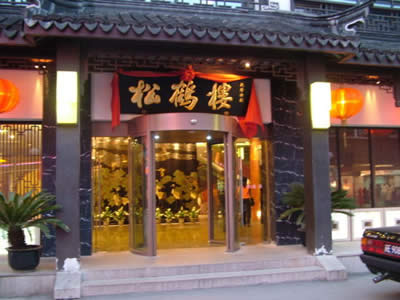
1. Song He Lou
· Prime Locations:
- Guanqian Street Store: No. 72, Taijian Lane, Gusu District
- Pingjiang Road Store: No. 62, Daru Lane, Gusu District
· Opening Hours:
- Guanqian Street Store: 11:00 - 14:00, 17:00 - 20:30
- Pingjiang Road Store: 11:00 - 20:30
· Ambience: Step into Song He Lou and be transported back to the glorious Tang Dynasty. The restaurant features carved wooden windows, antique furnishings, melodious guzheng music, and Hanfu-clad waitresses. The three-story courtyard layout exudes an authentic “Suzhou flavor” at every turn.
· Signature Dishes:
- Sweet and Sour Mandarin Fish: Known as “the first dish of Suzhou cuisine”, with golden crispy skin and tender juicy meat.
- King’s Elbow: A massive tender elbow served with savory sauce, perfect for mixing with rice.
- Braised Pork with Sweet Sauce: Soft and glutinous, melting in the mouth.
· Beverage Recommendations:
- Osmanthus Wine: Light and sweet, perfect for a gentle buzz.
- Homemade Plum Juice: Tangy and refreshing, ideal for balancing rich flavors.Price: Approximately 100-180 RMB per person
· Tips for Visitors:
- Arrive before 11:00 to avoid queues; reservations recommended on weekends.
- Window seats on the second floor offer the best photo opportunities with views of the courtyard.
- Private rooms available for family gatherings and business meals.
2. De Yue Lou
· Prime Locations:
- Guanqian Street Store: No. 43, Taijian Lane, Pingjiang Street, Gusu District
- Ligongdi Store: No. 22, Ligongdi Road, Industrial Park
· Opening Hours:
- Guanqian Street Store: 10:30 - 21:00
- Ligongdi Store:10:30 - 20:30
· Ambience: A century-old time-honored brand with classic Chinese-style decor. Redwood tables and chairs, elegant calligraphy and paintings on the walls, and warm yellow lighting create a nostalgic and comfortable dining atmosphere.
· Signature Dishes:
- Beggar’s Chicken: A Suzhou classic, tender and flavorful with lotus leaf fragrance.
- Eel in Hot Oil: Fresh and tender, with a “sizzling” sound when served.
- Water Shield Soup: Smooth and fresh, nourishing the stomach
· Beverage Recommendations:
- Sweet Osmanthus Glutinous Rice Wine: Low-alcohol with a strong osmanthus fragrance.
- Homemade Sour Plum Juice: Relieves greasiness, sweet and sour.
· Price: Approximately 90-160 RMB per person
· Tips for Visitors:
- Reservations highly recommended during holidays; private rooms available.
- The Humble Administrator’s Garden Branch is close to scenic spots, convenient for combining dining and sightseeing.
- English menus available for foreign tourists.
3. Green Tea Restaurant
· Prime Locations:
- Xujiang Longhu Store: No. 777 Laodong Road, Gusu District
- Shishan Longhu Store: No. 181 Tayuan Road, Huqiu District
· Opening Hours:
- Xujiang Longhu Store: 10:00 - 21:30
- Shishan Longhu Store:10:00 - 21:30
· Ambience: Jiangnan-style decor with bamboo, wooden furniture and ink wash paintings. Lively and warm atmosphere, suitable for group dining.
· Signature Dishes:
- Suzhou-style Soup Dumplings: Thin skin and full soup, improved with shrimp.
- Braised Eggplant in Earthen Pot: Soft and flavorful, soaked in sauce.
- Silver Fish Omelette: Fresh and tender, slightly sweet.
· Beverage Recommendations:
- Mung Bean Soup: Cool and refreshing, suitable for summer.
- Jasmine Tea: Fragrant and light, pairs well with dishes.
· Price: Approximately 50-80 RMB per person
· Tips for Visitors:
- Quick serving speed, suitable for tourists with tight schedules.
- Group purchase packages available on Meituan and Douyin for better value.
How to Eat: Etiquette, Pairings & Itineraries
Dining Etiquette & Pairing Arts
1. Essential Suzhou Dining Etiquette
· The Philosophy of "Slow Eating, Elegant Drinking"
Suzhou dining emphasizes "Three Slows": Slow Selection, Slow Tasting, Slow Conversation. This mirrors the garden culture principle of "changing views with each step"—every dish deserves careful appreciation.
· Specific Etiquette Guidelines
1. Chopsticks Taboos
- Do Not Stick in Rice: Never stand chopsticks upright in a rice bowl—it symbolizes offerings to the deceased.
- Do Not Point: Pointing at others with chopsticks is considered rude.
- Do Not Dig: Digging through shared dishes is rude; take from the side closest to you.
2. Soup Enjoyment Methods
- No Slurping: Try not to make sounds while drinking soup to show elegance.
- Spoon Doesn't Touch Bowl: The spoon should not touch the bowl sides, maintaining quiet.
3. Toasting Culture
- Rim Slightly Lower: When toasting elders or respected persons, your cup rim should be slightly lower.
- Two-Handed Hold: Hold the cup with both hands as a sign of respect.
2. Perfect Tea & Food Pairings
· Essence of Suzhou Tea Ceremony
"One tea for one scene, one flavor complementing one mood"—Suzhou people believe specific teas enhance specific dishes.
· Classic Pairing Examples
1. Biluochun with Steamed Lake Freshness
- Reason: Biluochun's fresh floral and fruity notes highlight the natural sweetness of Taihu silver fish and white shrimp while removing any potential earthy odor.
- Brewing Suggestion: 75°C water, brewed in a glass cup to watch the leaves unfurl like green snails.
2. Jasmine Tea with Desserts
- Reason: The jasmine fragrance harmonizes with the floral notes of Suzhou rose mooncakes and osmanthus cakes, while the tea's slight bitterness balances the sweetness.
- Best Time: 3-5 PM, Suzhou's traditional "tea time".
3. Ripe Pu'er with Red-Braised Dishes
- Reason: Pu'er's mellowness cuts through the grease of Suzhou braised duck and red-braised pork, while its aged aroma complements the dishes' savory notes.
- Tea House Recommendation: "Pin Fang Tea House" on Pingjiang Road offers professional tea pairing service.
3. Ordering Wisdom & Money-Saving Tips
· "Eat in Season" Ordering Principle
1. Three Essential Questions
- What are today's seasonal dishes?
- How long for this dish approximately?
- Can we order half portions?
2. Avoiding Tourist Traps
- Check Local Patron Ratio: If over 70% are tourists, choose carefully.
- Check Menu Translation: Restaurants with numerous English menu errors are usually unprofessional.
- Avoid "Set Menu Traps": Many tourist-oriented set menus offer poor value.
3. Money-Saving Secrets
- Afternoon Tea Instead of Meals: Many time-honored brands offer discounted afternoon tea sets.
- Share Large Dishes: Suzhou dishes like Sweet and Sour Mandarin Fish are large; one dish is enough for 2-3 people.
- Use Local Apps: Download the "Suzhoudao" APP for coupons from time-honored restaurants.
Dining Guide for Different Groups & Times
One-Day Foodie Itinerary
07:30-09:00: Morning Local Flavors
- Location: "Xi Shengyuan" on Fenghuang Street
- Experience: Queue with locals for soup dumplings, feeling Suzhou's morning energy.
- Must-order: Wuxi Soup Dumplings + Shepherd's Purse Wontons
11:30-13:00 Refined Lunch by the Garden
- Location: "Songhelou" next to the Humble Administrator's Garden.
- Strategy: Get a queue number before touring the garden, dine right after.
- Must-order: Sweet and Sour Mandarin Fish (small) + Biluochun Shrimp.
15:00-16:30 Pingjiang Road Afternoon Leisure
- Experience: Write postcards while enjoying silk-stocking milk tea at "Cat's Sky".
- Hidden Gem: Ask staff if you can see the Ming Dynasty earthen stove.
18:30-20:30 Shantang Street Night View Dinner
- Location: Window seat on second floor of "Rong Yang Lou" (book 3 days ahead)
- Romantic Pairing: Beggar's Chicken + Osmanthus Wine, watching lanterns reflect on water.
Vegetarian-Friendly Guide
· Suzhou Vegetarian Tradition
Suzhou has the traditional "Ten Day Fast," eating vegetarian on the 1st, 8th, 14th, 15th, 18th, 23rd, 24th, 28th, 29th, and 30th of each lunar month.
· Recommended Vegetarian Restaurants
Xiyuan Temple Vegetarian Restaurant
- Specialty: Temple-operated, uses organic vegetables, tranquil environment.
- Must-order: Vegetarian "Sizzling Eel" (made from mushrooms, realistic texture)
Vegetarian Ordering Tips at Regular Restaurants
- Clearly State "Vegan": In Suzhou, "vegetarian" may include eggs and dairy; say "jing su" for vegan.
- Recommended Dishes: Stir-fried Malantou, Mushrooms with Greens, Osmanthus-Sweetened Lotus Root.
Family Travel Considerations
Dining with Children Tips
1. Child-Friendly Restaurant Features
· Provide Children's Utensils: Time-honored brands like "Songhelou" and "Deyuelou" have them.
· Have High Chairs: Most mid-to-upper-range restaurants are equipped.
· Dishes Can Be Non-Spicy: Suzhou cuisine isn't spicy, but you can request no pepper.
2. Children's Favorite Dishes
· Silver Fish Omelette: Nutritious, boneless and safe.
· Osmanthus-Sweetened Taro: Soft, sweet, suitable for all ages.
· Sweet and Sour Mandarin Fish (boneless version): Can request deboned before cooking.
Elderly Care Guide
· Soft Food Recommendations: Water Shield Soup, Sweet Congee, Soft Noodles.
· Less Oil and Salt: State "less oil and salt" when ordering; Suzhou chefs understand.
· Rest Breaks: Suzhou restaurants generally accept long meals; you can take breaks.
Practical Tools & Resources
1. Essential Mobile Apps
Dianping
- Usage Tip: Read "local reviews" not "tourist reviews."
- Secret Feature: Many time-honored brands have hidden "community discount codes."
Suzhoudao
- Suzhou's official APP for booking museum and garden tickets, often with restaurant discounts.
2. Emergency Handling
· Food Allergies
- English Card: Prepare cards saying "No peanuts/No shellfish," etc.
· Finding Restrooms
- Best Options: Large malls, KFC/McDonald's, star-rated hotel lobbies.
- Garden Tip: Major Suzhou gardens have clean restrooms.
Suzhou's Flavor is a Gift of Time
Dining in Suzhou is not just about tasting food, but also about experiencing 2,500 years of cultural heritage. In every bite of the sweet water shield soup, you can feel Lu Ji's homesickness; in every chopstick's bite of the sizzling eel, you can hear the laughter of Tang Bohu's banquets; in every lingering aftertaste of Biluochun tea, you can savor the contemplation of Wen Zhengming while enjoying tea.
· Reasons to save this guide:
- It's not just a restaurant list, but a key to understanding Suzhou's culinary culture.
- It contains hidden details and seasonal secrets known only to locals.
- Updated annually to ensure accuracy and timeliness.
Your Suzhou culinary journey has just begun—the best flavors are always around the next corner, in the next unassuming little shop, in the next fresh seasonal ingredient. Add this article to your favorites to check back for updates anytime, or share it with friends who share a love of food.
In Suzhou, every day is a festival of food, and every season offers flavors to look forward to.
Best Suzhou Dining by Your Way Holiday’s Recommended
We design private and Tailor-made Suzhou Tours customized to your style of travel at affordable local prices. We will provide a private & spacious car and a local professional tour guide with over 5 years guiding experience only work for you or your group. Transport, ticket, and dining (We find the most authentic dishes popular with locals) all we will arrange for you according your requirements. Please check our most popular tours below:
 5 Days Hangzhou Suzhou Heavenly Tour From Shanghai By High Speed Train
 Two Days Impressive Suzhou Gardens With Zhouzhuang Water Town Tours
Are the above sample tour programs not suitable for you? Dont worry, our Suzhou tours can be tailor-made based on your requirements and budget to create unique Suzhou experiences that allow you to interact with the local people and culture. We are Suzhou travel experts who know what your guidebook and foreign agencies don't. Our enthusiastic tour expert will promptly reply you in details within 24 hours.
Wechat: YourWayHolidayAsia
24 Hours Hotline:
+86 137-3541-1378
* Authentic Experiences: Genuine local experiences that immerse you in the true essence of Suzhou and beyond.
* Safety First: Highest safety standards with secure activities and reliable transportation.
* Customizable Tours: Flexible itineraries tailored to your interests and needs.
* Local Expertise: In-depth knowledge of Suzhou and China, offering exclusive insights.
* Professional Guides: Licensed bilingual guides with over 5 years of experience.
* Comfortable Travel: Experienced drivers and well-maintained vehicles for a smooth journey.
* Sustainable Tourism:Commitment to responsible tourism and supporting local communities.
* Customer-Focused: Personalized service and continuous improvement based on your feedback.
* Free Cancellation: Cancel up to 24 hours before travel for flexibility and peace of mind.
* 24/7 Support: Round-the-clock assistance for any questions or help needed.
 Tiger Hill (Huqiu) Travel Guide: Exploring Suzhou’s Iconic Leaning Pagoda
 Exploring Suzhou No. 1 Silk Factory: A Journey into the Heart of China’s Silk Industry
 Exploring Guanqian Street in Suzhou: A Blend of Tradition, Shopping, and Local Flavors
 Humble Administrator’s Garden Suzhou: Complete Visitor Guide to Zhuozheng Garden, History, Highlights & Tips
 Song He Lou Suzhou: A Culinary Journey through Suzhou’s Historic Songhelou Restaurant
 Yangcheng Lake Hairy Crab Guide: The King of Crabs in China
 Master of the Nets Garden Suzhou: A Complete Guide to China’s Most Exquisite Classical Night Garden
 Jinji Lake Suzhou Travel Guide: What to See and Do Around Suzhou’s Modern Landmark
1 to 1 tailor-made service from our professional travel advisors for the most sophisticated
Constantly excellent reviews for attraction, hotel and service Competitive price
Local experts provide quality tours Best selected knowledgeable local guides Authentic local restaurants
7*24 hours available to create you a worry-free tour. No Hidden Fees and absolutely no pressure to buy. Secured









Copyright © 2017 Suzhouprivatetour.com All rights reserved. 浙ICP备18056007号-4